





Jawai's Granite Hideaways
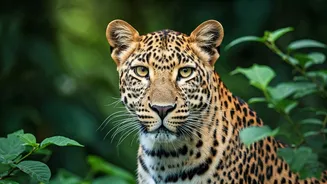
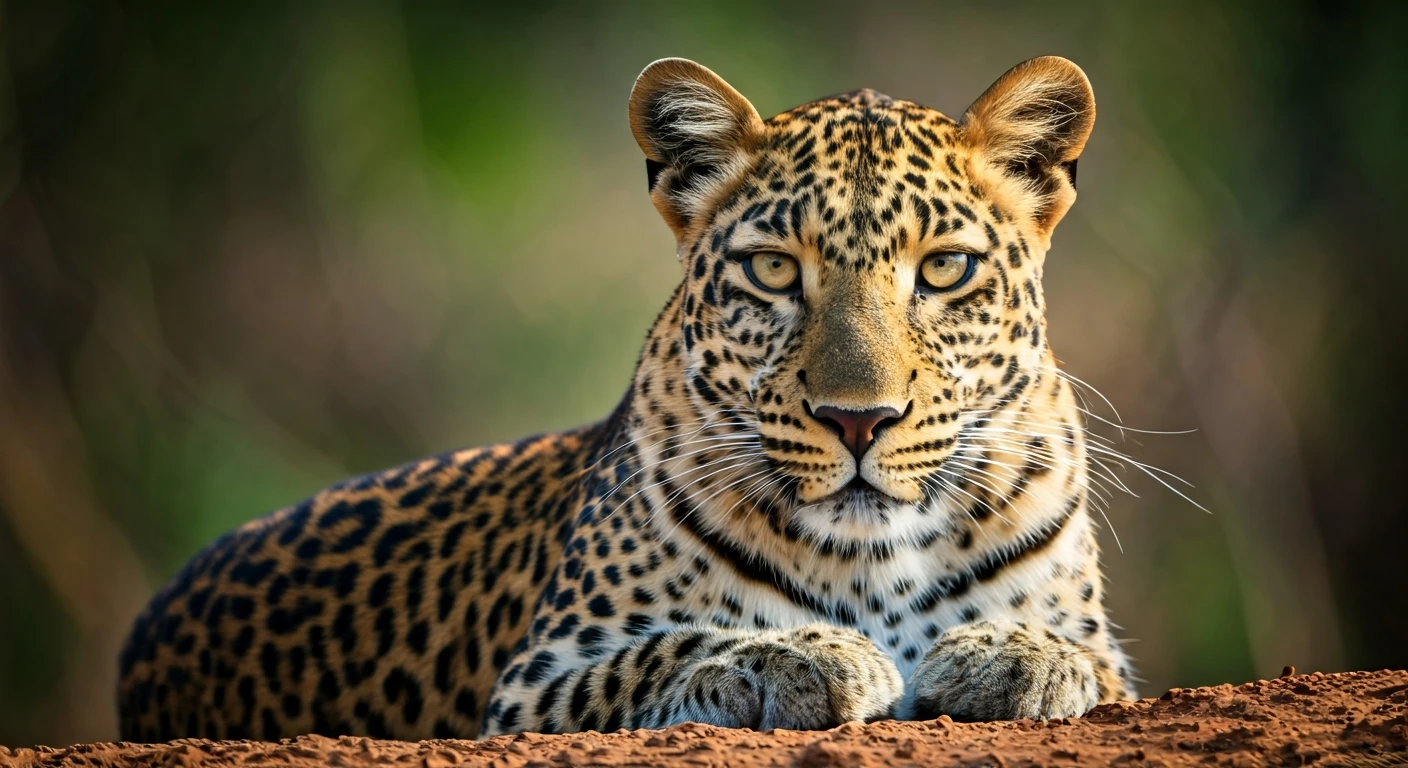
Venture into the granite hills of southern Rajasthan, where Jawai presents an extraordinary setting for leopard spotting. This region is remarkable for its
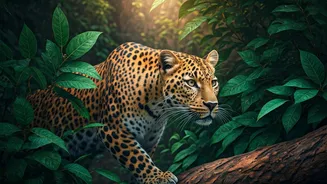
coexistence between wildlife and local communities, with leopards often observed basking on rocky perches or traversing the landscape during dawn and dusk safaris. Beyond the leopards, Jawai offers a rich tapestry of biodiversity, including a vibrant avian population, crocodiles near the prominent Jawai Dam, and various smaller mammals, making it a multifaceted wildlife destination.
Bera's Open Terrain
Nestled close to the Jawai region, the village of Bera has long been a celebrated spot among wildlife photographers for its reliable leopard sightings. The leopards here have adapted to living amidst rocky outcrops and scrub vegetation. Experienced local trackers are instrumental in guiding visitors through the rugged terrain, enhancing the chances of a sighting. The more open landscape compared to dense forests can sometimes facilitate easier observations, provided the conditions are favorable for viewing these magnificent cats.
Jaipur's Jhalana Reserve
Situated on the periphery of Jaipur, the Jhalana Leopard Reserve stands out as one of India's few protected areas primarily designated for leopard conservation. Its habitat comprises dry deciduous forests and undulating rocky hills, creating an ideal environment for these big cats. The reserve's manageable size, coupled with a healthy leopard population, frequently allows visitors to encounter them during safari drives, making it an accessible yet rewarding location for leopard enthusiasts.
Kabini's Diverse Habitats
As a significant part of the expansive Nagarhole National Park, Kabini is celebrated for its rich variety of wildlife, including elephants, tigers, and its resident leopards. Sightings of leopards are often reported along the forest roads or in proximity to the serene Kabini reservoir. The area boasts a mosaic of habitats, from dense forests to riverbanks and open grasslands, which collectively support a robust ecosystem for both predators and their prey, ensuring a dynamic wildlife viewing experience.
Kanha's Forested Zones
While Kanha National Park is globally renowned for its majestic tigers, its extensive sal forests and grasslands also provide a home for leopards. These agile predators typically prefer the denser forested areas or can be found near rocky formations, often making appearances during early morning safaris. Kanha's diverse landscape, characterized by sal trees, open meadows, and lush grasslands, supports a wide array of wildlife, making it a compelling destination for anyone keen on experiencing India's incredible biodiversity, even if leopard sightings aren't the primary guarantee.