






The GLP-1 Phenomenon
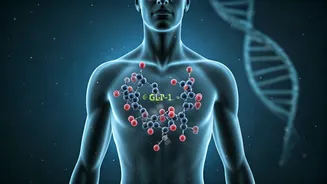
The recent surge in popularity surrounding weight-loss injections, particularly those leveraging GLP-1 (Glucagon-like peptide-1) technology, warrants a closer
examination. These medications, initially developed to manage type 2 diabetes, have demonstrated significant efficacy in promoting weight reduction, leading to their widespread adoption as a treatment for obesity. Dr. Shashank Joshi, a Mumbai-based endocrinologist, elaborates on the mechanism of action for these drugs, explaining how they mimic natural hormones to regulate appetite and blood sugar levels. He stresses that while these injections offer a promising avenue for individuals struggling with excess weight, they are not a one-size-fits-all solution. Understanding who is an appropriate candidate, the various formulations available, and the critical necessity of professional medical supervision is paramount to ensure safety and optimal outcomes. This discussion aims to demystify the science, moving beyond anecdotal evidence to provide a clear understanding of GLP-1's role in weight management.
India's 'Thin-Fat' Puzzle
A compelling aspect of the discussion revolves around a unique phenomenon observed in the Indian population, often termed the 'thin-fat Indian' profile. This description refers to individuals who may appear outwardly lean or have a normal Body Mass Index (BMI) but possess a disproportionately high percentage of body fat and an elevated risk of metabolic disorders, such as insulin resistance and cardiovascular disease. Dr. Joshi posits that this condition is not solely attributable to dietary habits or lack of physical activity, but rather a complex interplay of genetic predispositions and deeply ingrained lifestyle patterns. He suggests that certain genetic factors, perhaps historically advantageous in different environments, may now contribute to a higher susceptibility to metabolic dysfunction in the context of modern lifestyles. This perspective challenges the conventional notion that obesity is merely a matter of consuming more calories than expended, highlighting the nuanced biological and environmental influences at play within the Indian demographic.
Risks of Misuse & Muscle Importance
The widespread appeal of GLP-1 medications has unfortunately led to instances of their misuse, with individuals obtaining and using them without proper medical prescription or oversight. Dr. Joshi issues a stern warning regarding the potential health ramifications of such practices. Self-medicating with potent drugs like GLP-1 agonists can lead to a range of adverse effects, from gastrointestinal disturbances to more serious complications, particularly if underlying health conditions are not properly assessed. Beyond the immediate risks, the conversation also emphasizes the indispensable role of building and maintaining muscle mass for sustained long-term health and metabolic well-being. This involves not just focusing on weight reduction but actively engaging in strength training and consuming adequate protein. Furthermore, the episode touches upon traditional food practices that, while culturally significant, might inadvertently diminish the nutritional value of meals, indirectly impacting overall health and contributing to the complex picture of weight management in India.