






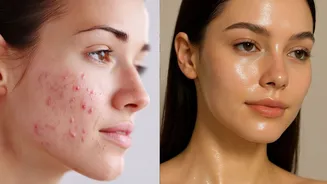
Unveiling 'Office Air'
The term 'office air' has gained significant traction online, describing the noticeable decline in appearance after a day spent indoors at work. Users
on platforms like TikTok and Instagram share comparisons of their fresh morning selves versus their weary evening counterparts, a feeling many office-goers readily recognize. This cultural shorthand encapsulates the collective experience of feeling duller, more dehydrated, and generally less vibrant under the artificial conditions of a typical workplace. While the internet might dramatize corporate life, the 'office air' trend highlights a genuine phenomenon that resonates with many, prompting a closer look at the environmental factors at play in our professional spaces and their impact on our well-being and appearance.
Environmental Triggers Explained
The 'office air' effect isn't a medical diagnosis but rather a collective term for the environmental stressors commonly found in indoor workspaces. Aggressive air conditioning systems often lead to significantly low humidity levels, causing moisture to evaporate rapidly from the skin. This constant dehydration can compromise the skin's natural barrier, leading to dryness, sensitivity, and a dull complexion. Furthermore, the recycled indoor air quality, combined with prolonged exposure to harsh overhead lighting and endless screen time, contributes to overall fatigue. This combination of factors can alter how the skin and scalp behave; for instance, dehydrated skin might overcompensate by producing excess oil, making hair appear greasy even in a cool environment.
Beyond the Office Walls
While the indoor environment plays a crucial role, it's not the sole culprit behind the 'office air' phenomenon. External factors and personal lifestyle choices significantly influence skin health and appearance. Individuals living in urban areas may already contend with skin stress from pollution, dust, and heat before even arriving at their desks. The transition from warm outdoor conditions to aggressively cool indoor air can shock the skin, exacerbating dehydration. Furthermore, factors like chronic stress, insufficient sleep, excessive caffeine intake, neglected hydration breaks, and prolonged screen use all contribute to visible signs of fatigue on the face. The unforgiving nature of most office lighting also plays a part, exaggerating skin texture, shadows, and under-eye circles, thereby making individuals appear more tired than they might actually feel.
Combating 'Office Air'
Addressing the 'office air' effect doesn't necessitate an extensive collection of beauty products. Dermatologists advocate for a focus on reinforcing the skin's natural barrier and maintaining optimal hydration. Simple yet effective habits can yield significant improvements. Prioritizing water intake throughout the day and incorporating skincare ingredients like hyaluronic acid, ceramides, and glycerin are paramount for moisture retention. Instead of layering powder to combat oiliness, opt for blotting papers or a hydrating mist. It's also vital to continue wearing sunscreen indoors, as UV rays penetrate windows and screen exposure can cause oxidative stress. A minimalist routine with a gentle cleanser, moisturizer, and sunscreen is often more beneficial. Keeping desk essentials like lip balm, hand cream, a face mist, and a water bottle readily accessible can offer much-needed relief. For hair, avoid overwashing, which strips natural oils; instead, use lightweight leave-in conditioners or serums. Finally, regular breaks, even short walks, can boost circulation, reduce eye strain, and provide a mental reset.