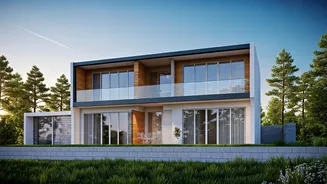








Introduction: Architectural Wonders
This discussion navigates through the realm of architecture, spotlighting eight unique residential buildings that stand as monuments to creativity and innovation.
These structures are not merely places to reside; they are expressions of artistry, engineering brilliance, and sustainable design principles. They redefine how we perceive living spaces, showcasing a fusion of functionality and aesthetic appeal. The article examines the diverse inspirations and design features that make each building exceptional, offering a comprehensive understanding of their impact and potential to transform urban environments.
The Habitat 67
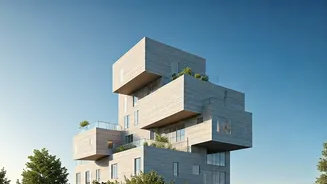
Habitat 67, located in Montreal, Canada, is an iconic residential complex conceived by architect Moshe Safdie for Expo 67. The design comprises 354 prefabricated concrete modules, stacked in various arrangements to create 146 residences. This modular approach provides each dwelling with private gardens and panoramic views. The project's conception aimed to rethink urban housing, blending the privacy of suburban homes with the density of urban living. Habitat 67's legacy continues, symbolizing innovation and challenging conventional architectural norms. The stacked structure created a vertical village, fostering community while promoting individual space and access to nature within an urban setting, a testament to forward-thinking architectural design.
Turning Torso, Sweden
Located in Malmö, Sweden, the Turning Torso stands as a striking example of neo-futurist architecture. Designed by Santiago Calatrava, this skyscraper twists 90 degrees from base to summit. The structure comprises nine segments, each containing five stories, with the entire building reaching a height of 190 meters. It houses apartments and office spaces, offering panoramic views of the city and the Öresund Strait. The design aims to marry aesthetic elegance with structural integrity. Its twisting form, inspired by a human torso, symbolizes dynamism and innovation, marking a significant contribution to the city's skyline and representing architectural artistry.
Aqua Tower, Chicago
The Aqua Tower in Chicago, designed by Jeanne Gang of Studio Gang Architects, is recognized for its distinctive wave-like balconies. These balconies vary in shape and size, creating a dynamic facade. The building, a mixed-use skyscraper, houses apartments, a hotel, and commercial spaces. Its design focuses on responding to environmental factors such as wind and sunlight. The undulating facade not only serves an aesthetic purpose but also helps to reduce wind resistance and provide shade. The Aqua Tower is celebrated for its integration of sustainable practices and creative design, making a significant impact on Chicago's architectural landscape, as an example of ecologically conscious design.
The Crystal, London
The Crystal, situated in London, stands as a prime illustration of sustainable architecture. Owned by Siemens, it is one of the world's most sustainable buildings and is a center dedicated to urban sustainability. The building includes exhibition spaces, conference facilities, and office space. It incorporates various green technologies, such as solar panels and rainwater harvesting, and is designed to minimize energy consumption. The Crystal has received numerous sustainability awards and provides a platform to explore and promote sustainable urban solutions. It exemplifies how architecture can contribute to environmental responsibility and demonstrate innovative sustainability measures.
Bosco Verticale, Italy
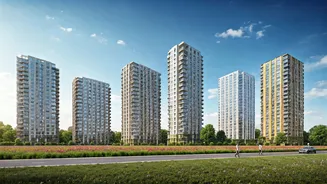
Bosco Verticale, located in Milan, Italy, is a pair of residential towers designed by Stefano Boeri. These buildings incorporate over 900 trees and various plants on their facades, which contribute to a unique architectural aesthetic. The concept aims to create a vertical forest within the urban environment, improving air quality, and promoting biodiversity. The trees and plants act as natural air purifiers, mitigating the effects of urban pollution and creating habitats for local wildlife. Bosco Verticale showcases an innovative approach to urban design, merging nature with architecture to create a sustainable and visually striking environment, contributing to urban resilience.
The Shard, London
The Shard, a skyscraper in London designed by Renzo Piano, is a prominent feature of the city's skyline. Its distinctive glass facade and pyramidal shape have made it an instantly recognizable landmark. The building houses offices, residential apartments, a hotel, and restaurants, offering a mixed-use experience. The Shard’s design emphasizes energy efficiency and sustainability, incorporating features to reduce its environmental impact. Its observation deck provides panoramic views of London, making it a popular destination for tourists. The Shard’s design is a testament to architectural ambition and technological innovation, showcasing a dedication to functionality and aesthetic excellence.
Heydar Aliyev Center
The Heydar Aliyev Center in Baku, Azerbaijan, is a cultural center designed by Zaha Hadid. Its flowing, curved architectural design is a departure from rigid structures. The building houses various cultural spaces, including a conference hall, a museum, and exhibition halls. The design aims to create a fluid, continuous space that promotes interaction and engagement. The building's white, undulating facade is a striking visual statement and symbolizes a modern vision. The Heydar Aliyev Center demonstrates how architecture can shape cultural spaces, enhancing community engagement and displaying a commitment to innovation and artistic expression.