






The Diet's Foundation
The anti-inflammatory diet is rooted in the concept of reducing inflammation throughout the body by modifying food intake. Inflammation is often the underlying
cause of several chronic diseases, including migraines. This approach focuses on incorporating foods that actively fight inflammation and reducing those that promote it. Essential components typically include an abundance of fruits, vegetables, whole grains, and lean proteins, all of which are rich in antioxidants and vital nutrients. Foods high in omega-3 fatty acids, such as fatty fish, are also critical for battling inflammation. On the other hand, a strict avoidance of highly processed foods, sugary drinks, refined carbohydrates, and unhealthy fats is a central tenet, as these are known to trigger inflammation responses in the body. The objective is to provide the body with essential nutrients and remove potential inflammatory agents, thereby promoting better overall health.
Aamir's Transformation Journey
Aamir Khan's experience with the anti-inflammatory diet was nothing short of a revelation. He implemented this dietary shift to address his persistent migraines. The diet's impact was quickly noticeable, significantly reducing the frequency and intensity of his migraine episodes. An unexpected outcome of the diet was considerable weight loss, with Khan shedding an impressive 18 kg. This weight loss served as a positive secondary effect, contributing to his overall well-being. Khan has openly shared his experience, crediting the diet for its effectiveness. He has described it as 'magic,' highlighting its profound effect. This testimony underscores the potential for dietary interventions to have transformative impacts on health, going beyond just the targeted condition.
Key Diet Components
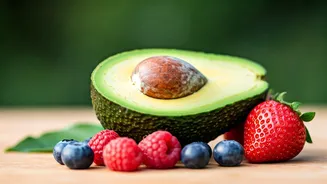
Several food groups and dietary choices form the backbone of an anti-inflammatory diet. It starts with the ample consumption of fruits and vegetables, known for their high antioxidant content, which helps in neutralizing free radicals that contribute to inflammation. Berries, leafy greens, and cruciferous vegetables like broccoli and cauliflower are highly recommended. Whole grains, as opposed to refined ones, offer sustained energy release and are less likely to trigger inflammatory responses. Healthy fats, particularly those rich in omega-3 fatty acids like salmon, flaxseeds, and walnuts, play a crucial role in reducing inflammation. Lean protein sources, such as fish, poultry, and beans, are also integral, offering essential nutrients without excess saturated fats. On the other hand, the diet strictly limits processed foods, sugary drinks, and trans fats, all known to elevate inflammation. This comprehensive approach ensures that the body receives the necessary nutrients while avoiding inflammatory triggers.
Potential Benefits Explored
Beyond migraine relief, an anti-inflammatory diet offers a host of potential health benefits. The reduction in systemic inflammation can positively affect cardiovascular health, decreasing the risk of heart disease and stroke. It can also help to regulate blood sugar levels, which is advantageous for individuals with diabetes or those at risk of developing it. Some studies suggest it may alleviate symptoms of arthritis and other inflammatory conditions by reducing joint pain and improving mobility. Furthermore, by promoting a nutrient-rich diet and reducing exposure to processed foods, the diet can contribute to weight management and overall improved well-being. While individual responses may vary, the core principles of the diet support holistic health benefits and offer a lifestyle change.
Implementing the Diet
Adopting an anti-inflammatory diet requires a planned and informed approach. Starting gradually is generally advisable, integrating new foods while slowly reducing those known to trigger inflammation. Focusing on whole, unprocessed foods should be the foundation of meals. Reading food labels carefully to avoid hidden sugars, trans fats, and additives is important. Preparing meals at home provides the most control over ingredients and portion sizes. Seeking guidance from a healthcare professional or a registered dietitian is also very beneficial. They can provide personalized advice based on individual health needs. Making informed food choices, planning meals, and preparing food at home are all essential strategies. With dedication and informed decisions, the anti-inflammatory diet can evolve into a sustainable lifestyle that supports overall well-being and health.