


The Dramatic U-Turn
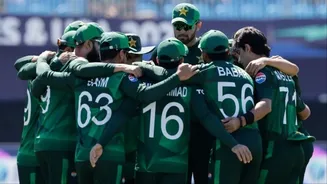
In a stunning reversal that captured the attention of the global cricketing community, Pakistan has decided to participate in the highly anticipated T20
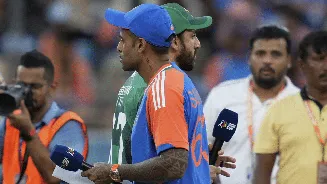
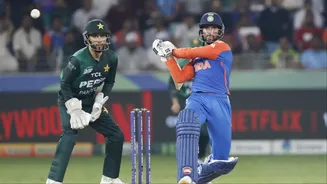
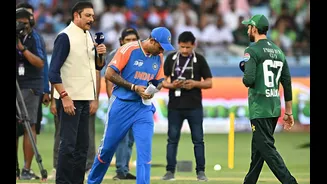
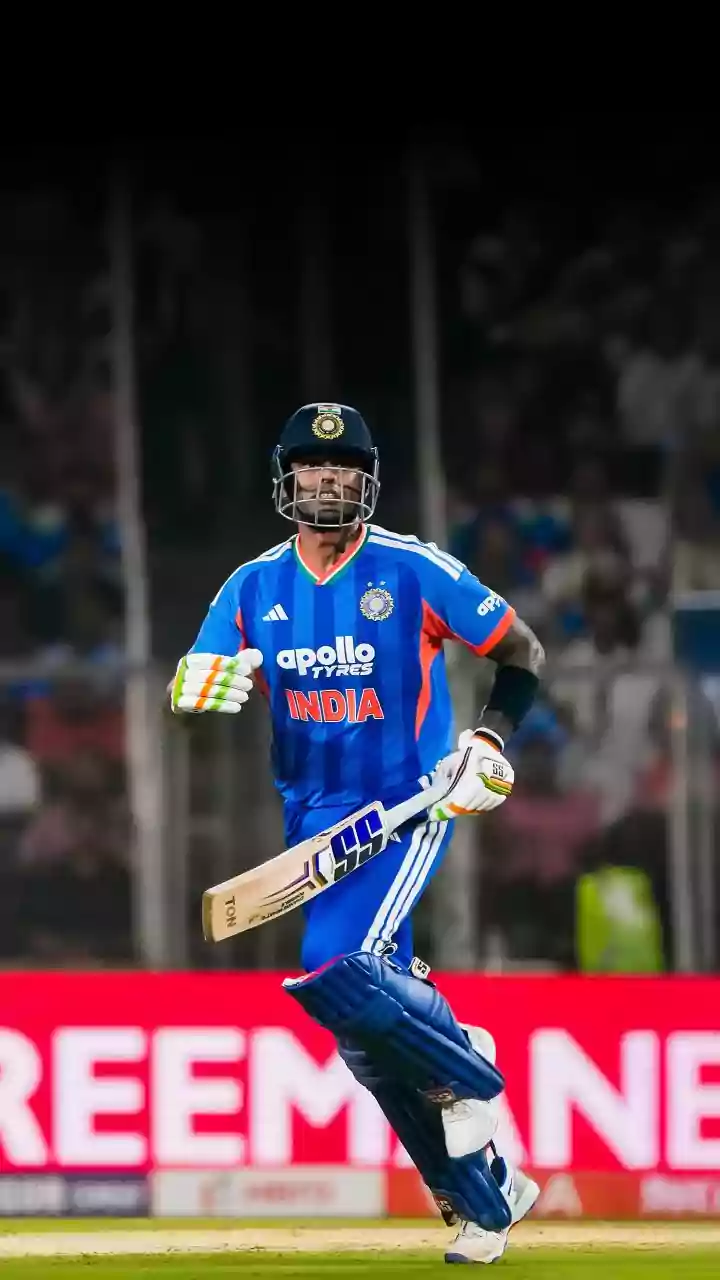
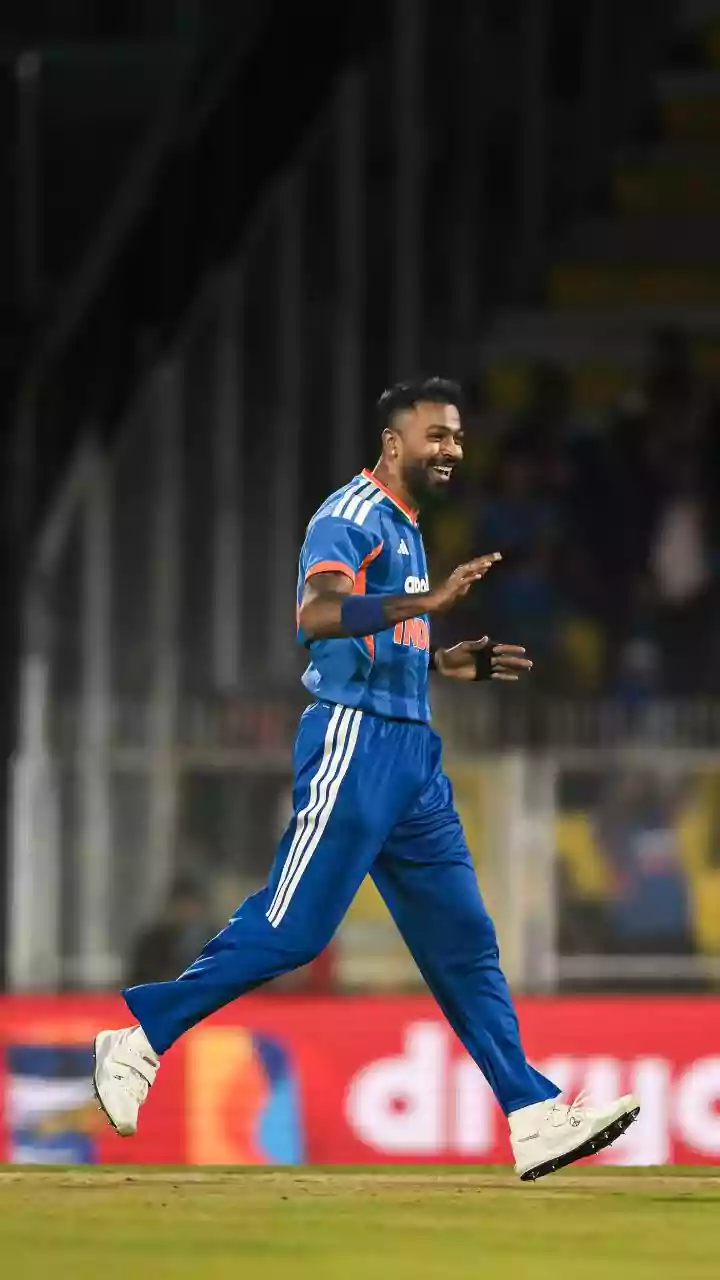
World Cup 2026 match against India. The game, slated for February 15, 2026, in Colombo, Sri Lanka, was initially jeopardized by Pakistan's announcement of a boycott. This decision was reportedly made as a gesture of solidarity with Bangladesh, who were excluded from the tournament due to security concerns and their inability to send their team to India. The Pakistan Cricket Board (PCB) has now confirmed that its team will indeed face their arch-rivals, averting a significant disruption to the tournament's schedule and preserving one of the sport's most electrifying encounters. The on-again, off-again saga has finally reached a resolution, much to the relief of fans worldwide eagerly awaiting this clash.
Diplomatic Maneuvers
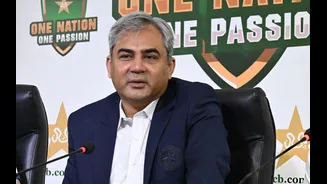
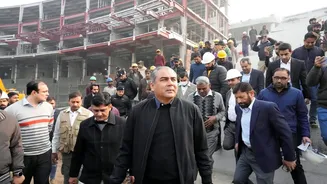
The resolution of Pakistan's boycott threat was the result of extensive and multifaceted diplomatic efforts. High-level interventions and intensive back-channel negotiations played a crucial role in bringing both sides to the table. Key players in these discussions included the International Cricket Council (ICC), the Pakistan Cricket Board (PCB), the Bangladesh Cricket Board (BCB), and even heads of state, underscoring the gravity of the situation. The ICC's involvement was particularly significant, with Deputy Chair Imran Khawaja making an emergency trip to Lahore for talks with PCB Chairman Mohsin Naqvi. During these discussions, the ICC reportedly issued a stern warning regarding potential severe sanctions, including the forfeiture of future hosting rights and a reduction in revenue sharing, if the 'Force Majeure' clause was deemed to have been improperly invoked. This pressure from the governing body was instrumental in shifting the PCB's stance.
Presidential Influence
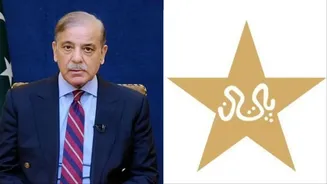
Adding another layer to the resolution was the involvement of presidential-level diplomacy. Reports from Pakistani media, notably Geo News, indicate that a crucial telephone conversation between Sri Lankan President Anura Kumara Dissanayake and Pakistani Prime Minister Shehbaz Sharif was a pivotal moment. President Dissanayake reportedly made a direct appeal to PM Shehbaz, requesting that the Pakistani cricket team proceed with their match against India in Sri Lanka. This direct engagement from a head of state highlighted the international importance placed on the India-Pakistan cricket fixture and its potential impact on regional relations. The Sri Lankan President's intervention demonstrates a commitment to ensuring the smooth running of major sporting events and maintaining goodwill between nations through cricket.
Bridging the Gap
While the Pakistan Cricket Board (PCB) initially harbored ambitions of seeing bilateral series and a tri-series involving Bangladesh reinstated, the ultimate agreement appears to have focused on more immediate concerns. The core of the resolution seems to revolve around securing financial assurances and guaranteeing that Bangladesh receives its full allocation of ICC earnings, despite its eventual absence from the tournament. This pragmatic approach allowed for a compromise that satisfied the primary needs of the involved parties. The confirmation that the Group A fixture between India and Pakistan on February 15 will proceed means that millions of fans across the globe can anticipate this spectacle without the looming threat of forfeiture, point deductions, or negative impacts on net run rates that a boycott would have entailed. The enduring rivalry between these two nations consistently draws immense viewership, and its continuation in the T20 World Cup league stage is a major boon for cricket enthusiasts.