







Creatine's Natural Role
Creatine is a fascinating naturally occurring compound that our bodies produce in the liver and kidneys. Its primary function is to serve as an energy
reservoir within our muscles, vital for those quick, high-intensity bursts of activity we engage in daily. Think of it as a cellular battery pack, ready to deliver immediate power when needed. While our bodies synthesize some creatine, and we can obtain a modest amount from foods like meat and fish, it's often not enough to fully stock our muscles' reserves. This natural deficit is precisely why supplementation has become a significant area of interest, bridging the gap between what our bodies produce and what they can utilize for optimal energy function.
Broadening Health Horizons
The conversation around creatine has shifted dramatically, moving from a niche sports supplement to a widely discussed health ally. Its resurgence is fueled by a deeper understanding of its extensive research backing. With sales projected to surge, the renewed interest is validated by medical professionals and longevity experts alike. Decades of rigorous scientific investigation, including a comprehensive 2025 analysis of 1337 studies involving over 12,800 participants, have consistently demonstrated creatine's remarkable safety profile. This analysis found no significant adverse events compared to placebo groups, underscoring its established security for general use. Furthermore, a 2022 review of randomized trials confirmed its efficacy in promoting muscle development, particularly when combined with exercise.
Cognitive and Beyond
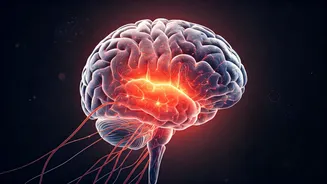
Creatine's benefits extend far beyond mere muscle enhancement. The brain, a notably energy-intensive organ, is increasingly recognized as a beneficiary of this compound. Emerging scientific findings suggest that creatine can positively impact cognitive functions, especially during periods of mental strain, such as sleep deprivation or intense mental work. A 2024 systematic review and meta-analysis highlighted measurable improvements in areas like memory recall, attention span, and information processing speed. While these cognitive effects are subtle, their consistent observation is reshaping how researchers view creatine's potential. It acts as a rapid energy buffer, supporting not only physical exertion but also cognitive demands encountered in demanding workdays or stressful situations.
Who Benefits Most?
The misconception that creatine is exclusively for young men engaged in weightlifting is rapidly fading. Women, who often have lower natural creatine stores, may experience significant benefits including enhanced strength, faster recovery, and improved mood regulation, especially during menopausal transitions. Older adults stand to gain considerably, as creatine can help combat age-related muscle loss, bolster strength, and reduce the risk of falls, thereby supporting their functional independence. Individuals who train regularly will continue to see established advantages in performance and recuperation. Notably, vegetarians, who typically consume less creatine from their diet, may find supplementation particularly beneficial in meeting their body's needs. The consensus is that a broad spectrum of individuals can experience positive effects.
Incorporating Creatine Wisely
While creatine boasts a strong safety record, its integration into one's routine warrants consideration. The primary change observed upon starting creatine supplementation is an increase in stored creatine within muscles, leading to enhanced energy capacity and a slight, temporary weight gain due to water retention in muscle cells – a process termed 'cellular hydration,' which is beneficial for performance. It's important to note that creatine can elevate serum creatinine levels, a marker commonly used in kidney function tests; individuals with pre-existing kidney conditions should consult a healthcare provider before use. Maintaining adequate hydration is crucial as creatine draws water into cells. Experts generally recommend a daily intake of 3-5 grams, with no proven benefit from exceeding this amount. Personalization and professional guidance are key, rather than following viral trends.