
Tariffs' Legal Landscape
The imposition of tariffs by Donald Trump during his presidency is now under legal scrutiny. The Supreme Court's interest suggests a deep dive into the
legality and impact of these trade measures. The legal challenges primarily focus on whether Trump exceeded his executive powers. These powers are granted by the Constitution and whether the tariffs themselves align with existing trade laws. The court's evaluation of these tariffs is crucial because it could define the scope of presidential authority. A ruling that Trump overstepped could set a precedent. This could restrict future presidents from using tariffs as a tool to such an extent. The legal arguments likely hinge on the interpretation of trade legislation. This includes laws governing international trade agreements and the balance of power between the executive and legislative branches. The court's decision will have long-term consequences, not just for trade policy, but also for the separation of powers.
Economic Ramifications Examined
The economic fallout from Trump’s tariff decisions could be extensive, particularly if the Supreme Court rules against his actions. Such a ruling might open the door to significant financial claims. These claims could be from businesses and countries negatively affected by the tariffs. The tariffs, implemented on a wide array of goods, aimed to protect American industries. However, they also led to increased costs for both consumers and businesses. This resulted in retaliatory tariffs from other nations, impacting global trade and economic growth. The potential for trillions of dollars in exposure refers to the total financial impact of the tariffs. This includes lost profits, higher consumer prices, and the costs associated with disrupted supply chains. If the tariffs are deemed unlawful, the government could be liable for damages. This creates uncertainty in the market. Businesses may face legal battles seeking compensation for the adverse effects of these policies. The repercussions of a negative court ruling could extend far beyond immediate financial losses, influencing trade relations and economic policy for years to come.
Global Trade Implications
Trump's tariff policies had substantial implications for global trade, provoking reactions from various countries worldwide. These tariffs, aimed primarily at China and other trading partners, disrupted established trade patterns. They also triggered trade wars. The imposition of tariffs disrupted supply chains. This forced companies to reassess their sourcing strategies. Countries responded with their own tariffs, leading to escalating trade tensions. These tensions hampered the growth of international trade. The actions strained relationships with key allies and partners. The outcome resulted in a more protectionist global economic environment. The Supreme Court's stance could potentially reshape these dynamics. A court decision could legitimize or invalidate these trade measures. This can encourage other countries to pursue their own legal challenges. The case's outcome will undoubtedly influence the direction of trade policy. It affects international relations and the future of global commerce.
Court's Role and Impact
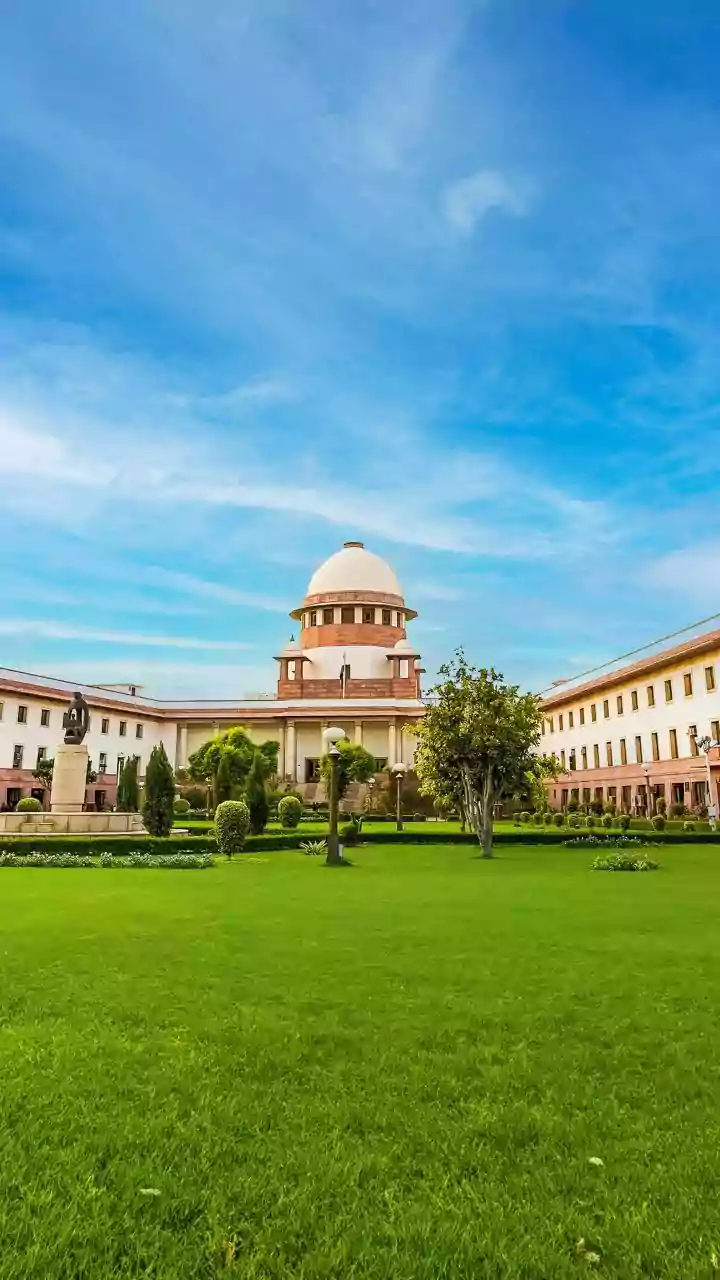
The Supreme Court's involvement in this matter demonstrates its critical role in the U.S. political and economic systems. The court has the authority to assess the constitutionality of presidential actions. Its decision carries significant weight. The court's ruling may act as a decisive factor. The court's interpretation of laws, precedents, and the limits of executive power will set a precedent. Its ruling directly influences presidential authority in trade and international affairs. A comprehensive review by the court is expected to consider various legal and economic facets. This includes the intent and execution of the tariffs, the impact on businesses and consumers, and the broader global implications. The court's judgment is set to define the legal boundaries. It will also clarify the limits of executive power, leaving lasting impacts on the economy, and shaping the future direction of trade relations.