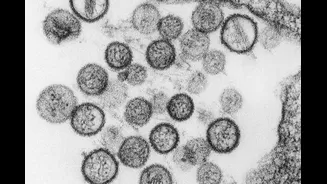







What is Hantavirus?
Hantavirus is a group of viruses primarily transmitted to humans through contact with infected rodents, such as rats and mice. The infection typically
occurs when individuals inhale airborne particles from rodent urine, saliva, or droppings, particularly in enclosed or poorly ventilated spaces. Unlike many common infectious diseases, hantavirus does not generally spread from person to person, meaning transmission is largely dependent on interaction with rodent hosts or their contaminated environments.
Cruise Ship Concerns
The recent emergence of hantavirus cases associated with cruise ship travel has prompted significant attention from health authorities. Experts theorize that infected rodents may gain access to ships through various means, potentially contaminating cargo holds, food storage areas, waste management zones, or maintenance compartments. The close-quarters environment of a cruise ship presents a distinct challenge, as it can be difficult to pinpoint the exact location of exposure among a large number of passengers and crew members. However, current evidence does not suggest any widespread human-to-human transmission on these vessels.
Recognizing Symptoms
Initially, hantavirus infections can present with symptoms that closely mimic the flu, making early diagnosis challenging. Common early signs include fever, muscle aches, headaches, fatigue, and gastrointestinal issues like nausea and vomiting. If the illness progresses, it can rapidly escalate to severe respiratory distress and lung failure, a serious condition known as Hantavirus Pulmonary Syndrome (HPS). The abrupt worsening of symptoms within a few days is a critical warning sign that necessitates immediate medical attention.
Severity and Treatment
While hantavirus infections are infrequent, they carry a significant risk of fatality, especially if Hantavirus Pulmonary Syndrome is not treated promptly. There is no specific antiviral medication to cure hantavirus; therefore, medical management focuses on intensive supportive care within a hospital setting. This typically includes providing oxygen support and continuous monitoring of the patient's condition. Swift medical intervention is paramount and dramatically enhances the likelihood of a positive outcome and survival.
Global Presence and Prevention
Hantavirus cases have been documented in various regions globally, including parts of the United States, South America, and Asia, often correlating with areas experiencing rodent infestations. Historically, outbreaks have been linked to exposure in environments like cabins, farms, warehouses, campsites, or abandoned structures where rodents are prevalent. With the resurgence of international travel, especially on crowded transport systems like cruise ships, health agencies are emphasizing the importance of robust pest control, stringent sanitation protocols, and secure food storage on vessels to minimize rodent contamination risks. Travelers experiencing severe flu-like symptoms after potential rodent exposure are advised to seek prompt medical evaluation.