




Misal Pav: Spicy Delight
Misal Pav is arguably the most recognized Maharashtrian breakfast, representing the state's fiery culinary style. This dish usually includes a spicy lentil
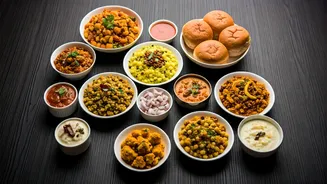
curry, known as 'usal,' made with moth beans and a special blend of spices. The usal is frequently topped with farsan (crispy, fried snacks), chopped onions, coriander, and a squeeze of lime. It’s served with pav (bread rolls), making it a complete and fulfilling meal. Misal Pav’s popularity goes far beyond its fiery taste; it's a social meal, enjoyed at breakfast spots across Maharashtra, and each establishment often presents its own unique version of the spice mix. The mix of textures – the softness of the pav, the chewiness of the usal, and the crunch of the farsan – adds to its broad appeal, ensuring a flavorful and memorable breakfast experience.
Poha: Light & Wholesome
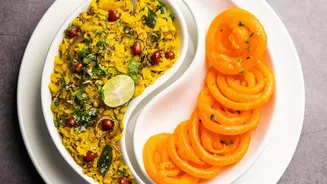
Poha is a lightweight, easy-to-make breakfast that has won hearts across Maharashtra. This dish involves flattened rice (poha) soaked and then cooked with onions, mustard seeds, turmeric, and often peanuts. A touch of sugar, lime juice, and fresh coriander gives it a vibrant flavor. Poha's appeal lies in its simplicity and versatility; it's customizable with additions like potatoes or green chilies. It’s a breakfast that requires minimal effort, making it ideal for busy mornings. Poha is not just a meal; it also reflects a balance of flavor and nutrition, making it a popular option for families. Its airy texture and satisfying taste mean it's a breakfast suitable for all ages, representing the everyday elegance of Maharashtrian cuisine.
Upma: Savory Semolina
Upma is a savory breakfast made from semolina (rava), often flavored with onions, tomatoes, green chilies, and mustard seeds. It's seasoned with curry leaves, and a dash of lemon juice brightens the overall flavor profile. The semolina is roasted to give it a nutty taste and a light texture. Upma is a quick and satisfying option, usually served hot, with a simple garnish of coriander leaves. Its adaptable nature means it is often customized with different vegetables. This ease of preparation and the availability of ingredients make upma a constant presence in Maharashtrian households. It's a comforting dish, embodying the essential elements of a wholesome breakfast and a go-to choice for those seeking something quick yet flavorful.
Thalipeeth: Multigrain Goodness
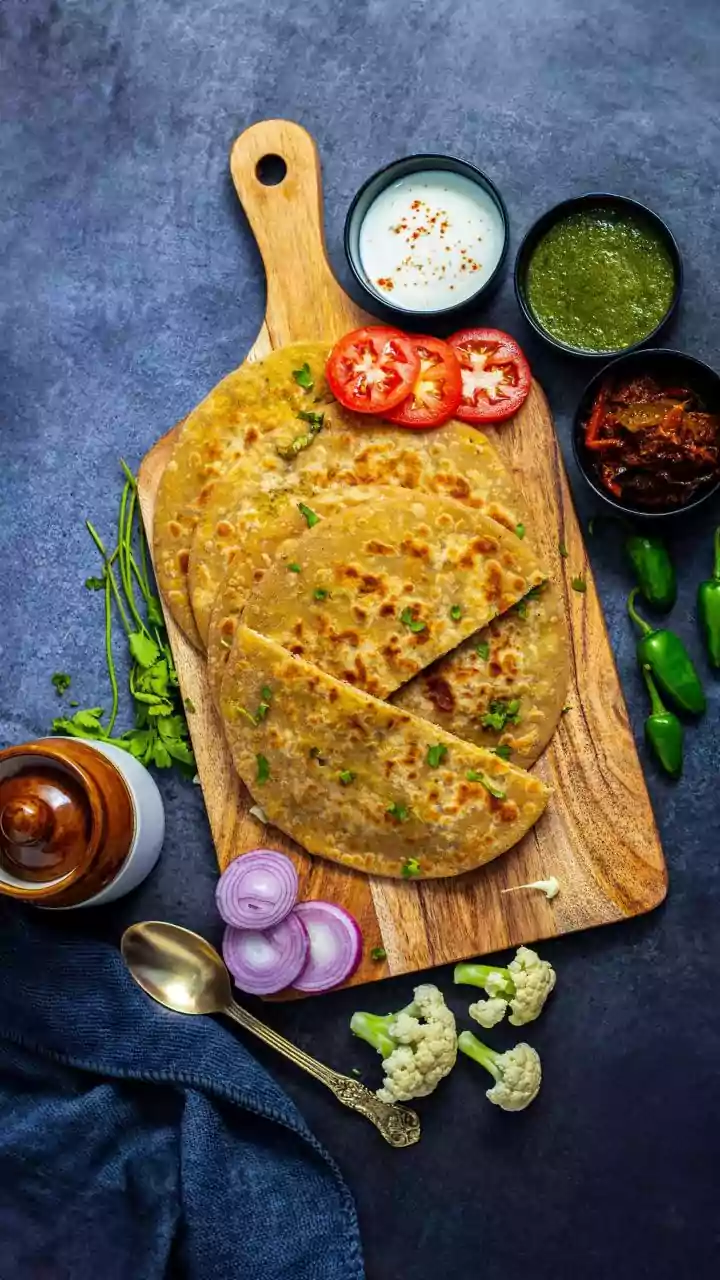
Thalipeeth is a hearty pancake made from a mixture of several grains, usually including wheat, jowar, bajra, and rice flour. Spices and finely chopped onions or other vegetables are added to enhance the flavor. The dough is shaped into a flat round and cooked on a griddle with a little oil until it's golden brown. Thalipeeth is a nutritional powerhouse, providing a balanced combination of nutrients. It can be served with curd, butter, or chutney, making it a complete meal that caters to different preferences. Its rustic appeal and filling nature make it a common choice, especially in rural areas, offering a taste of Maharashtrian tradition and a flavorful way to start the day. The variety of grains used makes it a flexible dish, with each household adding a signature touch.
Sabudana Khichdi: Tapioca Delight
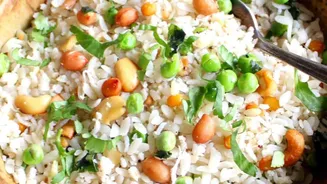
Sabudana Khichdi is a popular breakfast, particularly during fasting periods. It's made with tapioca pearls (sabudana) soaked until soft and then cooked with potatoes, peanuts, and spices. It's often flavored with green chilies, cumin seeds, and garnished with coriander. The tapioca pearls turn translucent when cooked properly, resulting in a soft, chewy texture. Sabudana Khichdi is often a blend of sweet, sour, and spicy elements, thanks to the addition of sugar and lime juice. While it's a common dish during religious fasts, its flavorful profile means it's enjoyed throughout the year. It's a dish which demonstrates the inventive aspect of Maharashtrian cuisine, turning a simple ingredient into a flavorful and satisfying meal that is eaten and loved across various age groups and backgrounds.
Shira: Sweet Semolina
Shira, a sweet dish made from semolina (rava), sugar, and ghee, is a comforting treat. The semolina is roasted until fragrant, then cooked with hot water, sugar, and often flavored with cardamom or saffron. It’s garnished with nuts such as cashews and raisins, giving it a delightful texture. Shira is often prepared during festivals or special occasions, symbolizing sweetness and prosperity. Its simple ingredients and quick preparation make it suitable for both quick breakfasts and celebrations. The creamy texture and inviting flavors of shira make it a special treat, offering a familiar taste that warms the soul and complements the heart of Maharashtrian cuisine, which is known for its heartwarming comfort and culinary heritage.
Kande Pohe: Onion Flavor
Kande Pohe is a variation of the classic Poha, emphasizing the use of onions (kanda). This recipe features the softened flattened rice, enhanced with a generous amount of sautéed onions. Along with the traditional ingredients such as mustard seeds, turmeric, and curry leaves, Kande Pohe incorporates a greater quantity of onions, giving it a distinct flavor. The dish is frequently served with a garnish of coriander and a squeeze of lime, elevating the taste. Kande Pohe’s simple preparation and familiar flavors make it a favorite across all age groups. It's a perfect breakfast dish, which is enjoyed for its simple yet satisfying flavors, presenting a comforting and easily accessible option for any mealtime. The simplicity and the familiar taste make it a standard preference in many Maharashtrian homes.
Vada Pav: The Burger
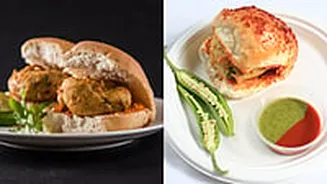
Vada Pav, popularly known as the 'Indian burger,' is a street food staple and also a popular breakfast item. It consists of a deep-fried potato patty (vada) sandwiched between a pav (bread roll). The vada is made from mashed potatoes mixed with spices and coated in a gram flour batter before being fried to golden perfection. It is often served with various chutneys, including a green chutney made from coriander and chilies, and a garlic chutney. The Vada Pav is a practical and quick snack, eaten by people of all ages and walks of life. Its popularity goes beyond its taste; it represents the spirit of Mumbai's food scene. The combination of textures and flavors — the softness of the pav, the crispiness of the vada, and the zest of the chutneys — makes Vada Pav a delicious and fulfilling meal.
Sabudana Vada: Crispy Bites
Sabudana Vada are savory fritters made from soaked sabudana (tapioca pearls), mashed potatoes, and spices. These ingredients are combined to form patties that are then deep-fried until golden and crispy. The spices and herbs, such as green chilies and coriander, provide flavor, while peanuts give a crunchy texture. The vadas are a popular choice during fasting, but their appealing taste means they are enjoyed year-round. They are commonly served with chutney, such as tamarind or green chutney, adding to their complexity. Sabudana Vada is a delicious example of how simple ingredients can be transformed into a special and satisfying breakfast or snack. Its crispy exterior and tender inside create an enjoyable eating experience that showcases Maharashtrian cooking skills.
Shrikhand: Creamy Delight
Shrikhand is a sweet, creamy dessert made from hung curd (yogurt). The yogurt is strained to remove the whey, then sweetened with sugar and flavored with cardamom, saffron, and nuts. This process gives it a rich, dense texture. Shrikhand is often served chilled, making it a refreshing breakfast choice. It is a traditional dessert typically enjoyed during festivals, celebrations, and also as a dessert. The delightful texture, combined with the subtle fragrance of the spices and the sweetness, makes it an excellent way to start the day. The creamy texture and delicious taste make Shrikhand a favorite among all, representing the sweetness of Maharashtrian culinary heritage and a delightful way to begin or end a meal.