
Deal Announcement
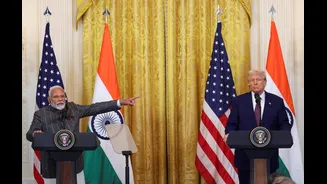
The United States, under the leadership of its President, has announced a new trade agreement with India. While precise details remain somewhat sparse,
the announcement signifies an important step in strengthening the economic ties between the two nations. It has created ripples of speculation and expectations within the international trade community. This agreement reflects a mutual desire to foster economic collaboration and potentially opens doors to new opportunities for both countries involved. The announcement highlights the ongoing efforts to bolster the already substantial trade partnership between India and the United States.
Key Components
Though the exact details of the trade deal haven't been widely disclosed, some elements are likely to be at the forefront. The discussions between the leaders probably involved tariffs, market access, and investment opportunities. Possible focus areas include sectors like technology, pharmaceuticals, and manufacturing. These areas often represent key engines of growth and innovation. The agreement could also include provisions related to intellectual property rights and regulatory standards, intended to create a stable environment for businesses. It's safe to assume that the deal addresses issues related to trade imbalances, seeking a mutually beneficial arrangement for both sides. The specifics of the deal will shape how businesses and consumers in both countries experience its effects.
Impact and Effects
The new trade agreement between India and the United States could bring multiple potential benefits. A decrease in trade barriers could increase exports, fostering economic growth and creating jobs in both nations. This potentially broadens consumer choice and could lead to lower prices on certain goods. Increased investment flows could lead to modernization of infrastructure and improved technology transfer. Beyond the immediate economic effects, the deal may also signal a strengthened strategic partnership. Collaboration on trade can frequently translate into cooperation on other fronts, such as defense and security. However, any trade agreement will also have potential challenges. It will be important to monitor how different sectors fare, manage potential disruptions, and ensure that the agreement benefits all stakeholders involved in the process.
Looking Ahead
As the specifics of the India-US trade deal are revealed, the focus will turn towards its implementation and long-term implications. Businesses will analyze the new rules and adjust their strategies accordingly. Governments will need to create frameworks to support the agreement, including setting up regulatory bodies and trade promotion efforts. The impacts will be evaluated over time, and the results will be carefully monitored. The trade deal is expected to evolve. As the economic landscape changes, the agreement will likely be revisited and updated to meet current and future needs. The success of this trade agreement will ultimately depend on collaboration, communication, and a commitment to realizing the benefits of a stronger economic partnership between the two nations.