
Stay Calm, Observe
The first tip from Bear Grylls emphasizes the importance of remaining composed when faced with a survival situation. Panic is a survivalist’s worst enemy,
clouding judgment and leading to poor decisions. Instead of reacting impulsively, take a moment to breathe, assess the environment, and understand the immediate threats and resources available. This observation phase involves carefully evaluating the surroundings—identifying potential hazards like poisonous plants or dangerous animals, as well as recognizing potential sources of water, food, and shelter. Applying this to everyday life, staying calm and observing means pausing before reacting in a stressful situation. It involves considering all available information before making a choice, whether it is a problem at work or a disagreement with a friend. This initial step sets the stage for making sound decisions and increases the odds of a positive outcome, both in the jungle and elsewhere.
Find Shelter Quickly
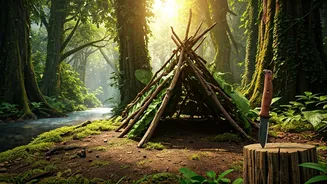
Building or finding shelter is another top priority in survival scenarios. The primary aim of shelter is to protect the individual from the elements – extreme temperatures, rain, wind, and sunlight – as they can quickly deplete energy reserves and cause physical harm. Grylls recommends constructing a temporary shelter utilizing available natural resources. This may involve building a lean-to using branches and leaves or finding a natural rock overhang or cave. Essential elements for shelter creation include proper insulation to retain warmth, adequate protection from the wind and rain, and elevation above ground to prevent potential moisture accumulation. Translating this to daily situations means finding a place of refuge during times of stress. This could mean stepping away from a difficult conversation or creating a designated workspace where focus is possible. Establishing boundaries to protect oneself from negativity or overwhelming demands can be just as crucial as finding physical shelter in the jungle.
Secure a Water Source
Access to water is absolutely critical for survival. Dehydration can quickly debilitate an individual, and the ability to find and consume clean water is often a matter of life or death. Grylls teaches the methods to locate water sources, such as following animal trails, looking for vegetation that indicates water presence, or identifying areas where dew can be collected. He also stresses the necessity of purifying water, such as boiling it or using filtration methods to eliminate bacteria and parasites. In daily life, securing a water source is analogous to having access to the necessary resources. Whether it's having a support system in place, managing finances, or creating a steady routine, these components act as the hydration that fuels one's ability to maintain health and stability. Ensuring these basic needs are met provides a foundation for navigating challenges and pursuing goals.
Locate Food Wisely
Finding food is another crucial element, but it should be approached with caution. Grylls emphasizes the importance of recognizing edible plants and avoiding those that could be poisonous. If there is uncertainty, small test bites should be consumed while observing reactions. Methods to obtain food include trapping small animals, fishing, and identifying edible insects. Grylls always prioritizes consuming food that provides high energy, and suggests focusing on foods that provide the greatest nutritional return. Relating this tip to everyday life involves considering what is taken in, not just as nourishment but in all contexts. This might include being mindful of the news consumed, the relationships nurtured, or the work taken on. Focusing on sources of information and interactions that promote health and well-being mirrors the survivalist's focus on securing the right sustenance.
Signal For Help
The final tip from Bear Grylls focuses on the importance of signaling for help. While survival in the jungle is the immediate priority, it is also important to consider methods to be rescued. This includes building signal fires, using mirrors to reflect sunlight towards potential rescuers, and creating SOS signals on the ground using large rocks or branches. The idea is to make one's location easily identifiable by search parties. This tip can be applied in everyday life by acknowledging the importance of reaching out and asking for assistance. When facing difficulties, whether personal or professional, it is important to communicate with a reliable support network. This could involve seeking professional advice, confiding in friends or family, or simply sharing concerns with a trusted colleague. The ability to identify when help is needed, and the willingness to ask for it, are valuable skills.