





Introduction: The Commute
Commuting in bustling Asian cities can be a significant daily challenge, often eating up hours of valuable time. For many, the journey to and from work
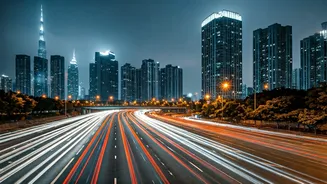
becomes a substantial part of their day, impacting both personal and professional lives. This article aims to shed light on some of the cities where residents spend the most time on their daily commutes. The factors contributing to these lengthy commutes are diverse, ranging from inadequate infrastructure to high population densities and traffic congestion. Understanding these challenges is key to recognizing the impact on residents.
1. Dhaka, Bangladesh
Dhaka, Bangladesh, often tops the charts for the longest commute times in Asia. The city's dense population, coupled with limited infrastructure and significant traffic congestion, contributes to the extended travel durations. Residents frequently face long delays, with commutes sometimes lasting several hours each way. The heavy reliance on public transport, including buses and rickshaws, combined with poorly maintained roads, makes the situation even more difficult. The economic impact is substantial, as these long commutes reduce productivity and increase stress for commuters.
2. Manila, Philippines
Manila, the capital of the Philippines, consistently struggles with severe traffic congestion, leading to incredibly long commute times. The city's rapid population growth and insufficient public transportation infrastructure exacerbate this problem. Overcrowded roads, combined with a high volume of vehicles, create frequent traffic jams, especially during peak hours. The use of jeepneys, buses, and private vehicles further complicates the traffic flow. Many residents in Manila experience commutes lasting for several hours each day, affecting their quality of life and work productivity.
3. Bangkok, Thailand
Bangkok, Thailand, is another city where commuters frequently endure lengthy travel times. While Bangkok has made strides in developing its public transportation system, including the BTS Skytrain and MRT subway, traffic congestion remains a significant problem. The city's extensive road network is often overwhelmed during rush hour, with traffic jams common throughout the day. Residents commonly face extended commutes due to the high volume of private vehicles and the slower pace of traffic. The issue is worsened by the city's geographical layout and a high concentration of commercial activities.
4. Jakarta, Indonesia
Jakarta, the capital of Indonesia, is known for its notorious traffic congestion, significantly impacting commute times for its residents. The city's massive population and infrastructure limitations contribute to a difficult commuting environment. Many commuters rely on private vehicles, increasing road congestion. The city's public transportation system is expanding, but it still struggles to meet the demands of the huge population. Commutes can be exceptionally long, as residents must navigate crowded roads and contend with frequent traffic jams, particularly during peak hours.
5. Delhi, India
Delhi, India, is one of the major cities in Asia where commute times are substantial. The city faces significant traffic challenges, arising from a high population density, a large number of vehicles, and limitations in infrastructure. Despite the presence of the Delhi Metro, many residents still rely on road transport, contributing to traffic congestion. Moreover, ongoing construction and development activities affect traffic flow. Commuters in Delhi often face prolonged travel times, which affects their overall well-being and productivity, and also poses challenges to the city's economic activities.
6. Mumbai, India
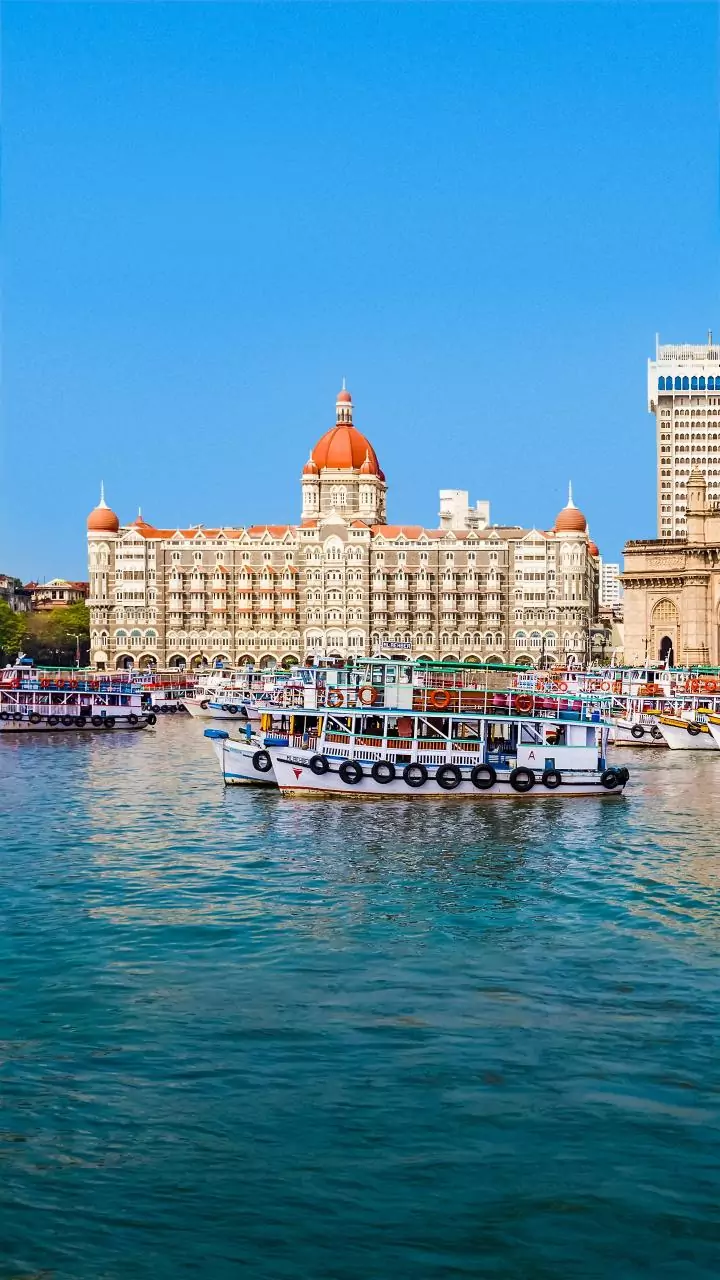
Mumbai, another megacity in India, also experiences long commute times. The city's high population density and limited land availability exacerbate traffic woes. The local train network is a vital mode of transport for millions, but it is often overcrowded, especially during rush hours. Many commuters use buses and private vehicles, adding to the congestion on roads and highways. Mumbai's geographical constraints, with limited space for expanding infrastructure, contribute to the challenges commuters face. These extended travel times affect the city's labor force and reduce the time people can spend in other activities.
7. Ho Chi Minh City, Vietnam
Ho Chi Minh City, Vietnam, is growing rapidly, but faces increasing traffic problems that affect commute times. The city's fast growth, combined with rising vehicle ownership and limited public transportation infrastructure, leads to significant congestion. Motorbikes are a common mode of transport, contributing to dense traffic on the roads. Although the city is expanding its metro system, it's still not enough to address all the demands. Residents often spend a long time traveling to and from work, affecting their daily routines and overall quality of life.
8. Karachi, Pakistan
Karachi, Pakistan, a major urban center, contends with significant challenges in transportation. Its large population and limited transport infrastructure lead to long commutes for many residents. The city has a high volume of vehicles, coupled with inadequate public transport options, increasing traffic jams, especially during peak hours. The poor condition of roads and an overloaded public transportation system, which is in need of renovation, make commuting particularly difficult. These persistent traffic issues affect residents' schedules, resulting in lost productivity and increased stress levels.
9. Shanghai, China
Shanghai, a major international hub in China, has an extensive public transportation network. Despite the well-developed metro system, the city still experiences notable commute times. Factors such as rapid urbanization, a huge population, and a high number of private vehicles contribute to traffic challenges. The city's extensive road network is often congested during rush hour. Residents may still spend a significant amount of time traveling to and from work due to the sheer volume of traffic and the distances covered within this sprawling metropolis, affecting productivity and daily schedules.
10. Seoul, South Korea
Seoul, the capital of South Korea, is well-known for its effective public transportation system, including an extensive subway network. Despite these systems, commute times in Seoul can still be substantial. The city's large population, along with the distances between residential areas and workplaces, play a role in commute durations. Traffic congestion can also arise in certain areas, particularly during peak hours, despite the efficient public transport options. Residents have long commutes due to the distances between different locations. This affects work schedules and residents’ general well-being, despite Seoul's advanced transportation infrastructure.