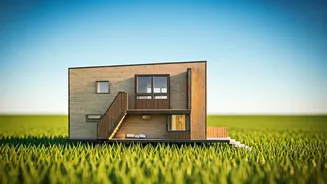




Tiny Living Defined
The world presents a diverse range of dwellings, with an increasing trend towards minimalist living. This article delves into the realm of the world's
smallest houses, highlighting unique architectural feats. These miniature homes, often constructed due to space constraints or the desire for a simplified lifestyle, range from basic structures to meticulously designed spaces, showcasing creative solutions for maximizing functionality. Despite their limited size, these homes often feature innovative designs and space-saving techniques, proving that comfort and style are attainable regardless of square footage. They illustrate that limitations can breed ingenuity, inspiring a fresh perspective on home design.
Japan's Micro Homes
Japan is known for its compact living spaces, and this section explores several examples of homes in the country. Given the high population density and land prices, Japanese architects and homeowners have perfected the art of small-space living. Features often include multi-functional furniture, built-in storage, and clever layouts that maximize natural light and ventilation. Some homes incorporate traditional elements like tatami mats and shoji screens, while others embrace modern aesthetics with sleek lines and minimalist decor. These homes represent both a response to practical limitations and a cultural embrace of efficiency and simplicity.
The Keret House
Situated in Warsaw, Poland, the Keret House, is a notably narrow structure. It is inserted between two existing buildings, exemplifying the resourceful use of interstitial spaces. The Keret House often acts as an art installation and dwelling, designed by architect Jakub Szczęsny. The narrowest point of the house measures a mere 92 centimeters. While its use is occasional, it symbolizes architectural innovation. The house's design incorporates a steel frame, and its interior is fully equipped with essential amenities, including a bedroom, kitchen, and bathroom, all within its slender footprint.
Micro Houses Globally
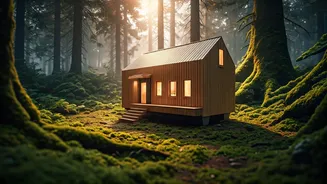
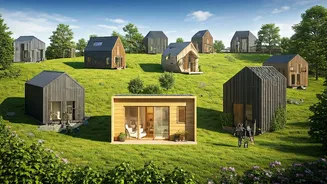
Beyond Japan and Poland, small houses are found across the globe. Some homes are built on trailers or skids, allowing mobility and flexibility. Other examples include tiny cabins in remote locations, emphasizing self-sufficiency and a connection with nature. These homes frequently integrate sustainable practices, such as solar panels and rainwater harvesting, for eco-friendly living. The common thread among these varied locations is a commitment to simplicity, a focus on essentials, and the creative use of available resources. These dwellings challenge the conventional concept of what constitutes a home, showcasing how life can be rich and fulfilling even in a small space.
Maximizing Space
These tiny homes have design elements which help enhance the space they have. One of the most critical elements is multi-functional furniture. Fold-down beds, tables, and sofas convert from one use to another with ease, maximizing floor space. Furthermore, built-in storage solutions, such as shelves and drawers, utilize every available inch. Vertical space is also utilized, with lofts for sleeping or storage. The use of natural light through large windows and the strategic use of mirrors contribute to the illusion of spaciousness. The goal is to make the space feel less cramped, functional, and inviting.
Minimalist Design
Minimalism is a recurring theme in these small homes. The aim of this design is to eliminate clutter. The color palette of these homes is often neutral, such as white, gray, and other light shades, which enhance the visual space. Every item in the home serves a purpose. Decoration is generally minimal, focused on functional items. This approach to design underscores the values of simplicity and intentional living, demonstrating that a fulfilling life doesn't require material excess. Minimalism in these tiny homes transforms them into sanctuaries of calm.
Embracing a Lifestyle
Living in a tiny home is more than just a housing choice; it represents a lifestyle. It often requires a shift in mindset, with a focus on experiences over possessions, and a conscious effort to live more sustainably. Tiny home residents often find themselves decluttering, reducing waste, and connecting more with their surroundings. The emphasis on community is another important element, with many tiny home owners embracing shared spaces and collaborative projects. This movement celebrates simplicity, resourcefulness, and mindful living.
Challenges Faced
While there are many advantages to tiny home living, there are also challenges to consider. One primary concern is the limited space, which requires meticulous organization and planning. Another challenge is the need to adjust to a smaller footprint, particularly for those used to larger homes. Zoning regulations can pose challenges, as some areas have restrictions on the size of residential structures. Lastly, the cost of tiny homes can vary depending on construction and materials. However, overcoming these challenges can lead to a more simplified and fulfilling lifestyle.
Tiny Homes Future
Tiny homes continue to gain popularity, reflecting trends such as urbanization, sustainability, and economic factors. Innovation in design, materials, and technology plays a critical role in the evolution of tiny homes. Prefabrication and modular construction are increasingly common, making tiny homes more accessible and affordable. Furthermore, the integration of smart home technology, energy-efficient appliances, and sustainable building practices are becoming standard. This shows that tiny homes are not just a passing trend but a viable housing solution.
10 Smallest Houses
This article would showcase and discuss 10 of the smallest houses in the world, covering their size, location, and unique design features. This list would highlight the diversity of tiny homes, from the narrowest houses in urban settings to remote cabins in natural environments. Each home would represent an innovative approach to space-saving design, showcasing the adaptability and ingenuity of people seeking to live a more compact and intentional life. Detailed descriptions will provide insight into the living experience within these micro-dwellings.