
A New Era
For over 50 years, NASA and the DOE have been collaborating, sharing knowledge, particularly in areas like space technology and national security. This
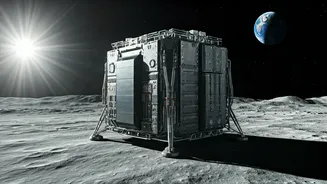
history of teamwork provides a strong foundation for the upcoming project to create, fuel, license, and put into operation a nuclear reactor on the Moon. Officials have stated that this cooperation will smooth out regulatory approvals and technical development, thereby minimizing the risks connected with using nuclear systems far from Earth. This initiative is a vital part of NASA's Artemis program, viewed as crucial for future missions to Mars involving humans. The formalized partnership between NASA and the DOE, detailed in a Memorandum of Understanding (MoU), aims to establish a reliable and scalable energy infrastructure. This system will support both human and robotic activities on the Moon.
Powering Lunar Missions
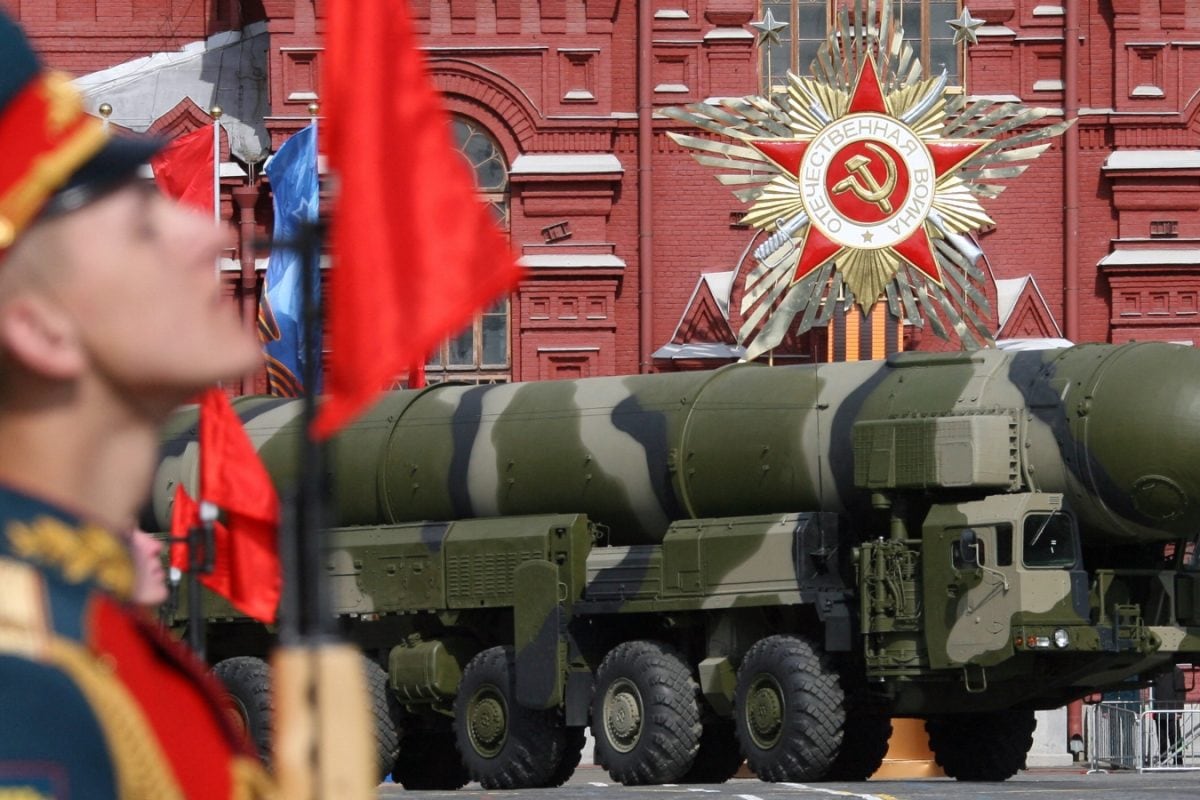
The primary objective of this project is to create a nuclear fission surface power system. This system is designed to provide consistent electricity for years without needing to be refueled. The design has the advantage of operating continuously throughout the Moon's long nights and withstanding extreme temperature fluctuations, unlike solar power. The United States's commitment to lunar nuclear power comes as global competition in space grows. Notably, China, in cooperation with Russia, is advancing its own lunar nuclear reactor project. The US Energy Secretary, Chris Wright, placed this project within a larger historical framework of American scientific achievement, referencing the Manhattan Project and the Apollo Mission as instances of American innovation. NASA Administrator Jared Isaacman has highlighted the strategic significance of nuclear technology in space, connecting it with national policy goals.
Why Nuclear Power?
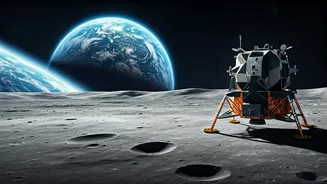
The initiative marks a significant shift in space exploration and the potential for a long-term presence beyond Earth. NASA and the DOE have joined forces in this program, aiming to place the nuclear fission surface power system on the lunar surface by the end of the decade. The US strategy sees the Moon as a vital testing ground for deep-space exploration. By establishing a dependable energy source on the lunar surface, NASA hopes to strengthen human and robotic missions and build the necessary infrastructure for eventual crewed missions to Mars. The consensus among US officials is that dependable power generation is essential for sustaining habitats, scientific instruments, communication systems, and future industrial activity on the lunar surface. The nuclear reactor is expected to ensure continuous power, which is critical for continuous lunar missions and setting up permanent bases. The agencies are also studying the potential of using nuclear power systems both on the Moon and in lunar orbit. The vision is to build lunar infrastructure, extend mission durations, and establish American leadership in space and commercial space activities using nuclear fission power.