




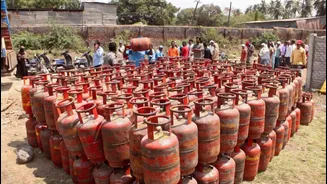
Gas Supply Hiccups
Paying guest accommodations across Bengaluru, estimated to number between 15,000 and 25,000, are currently grappling with a significant disruption in their
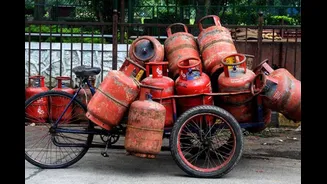
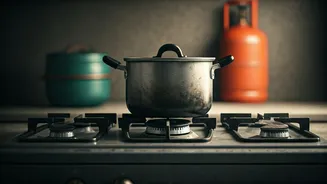
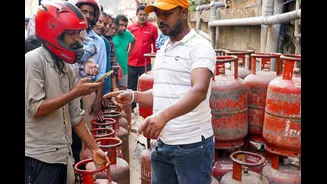
Liquefied Petroleum Gas (LPG) and commercial gas supply. In response to this pressing issue, the PG Owners Welfare Association has issued a set of crucial advisories to PG operators. These recommendations are designed to implement immediate gas conservation strategies, ensuring that the essential food supply for PG residents remains uninterrupted despite the supply challenges. The association's leadership is actively engaged in discussions with government authorities in an effort to stabilize the LPG supply chain and mitigate the impact on thousands of students and working professionals who rely on these accommodations for their daily meals.
Menu Makeover Mandated
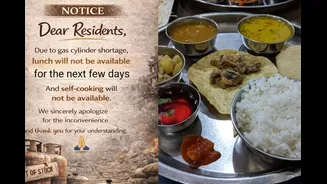
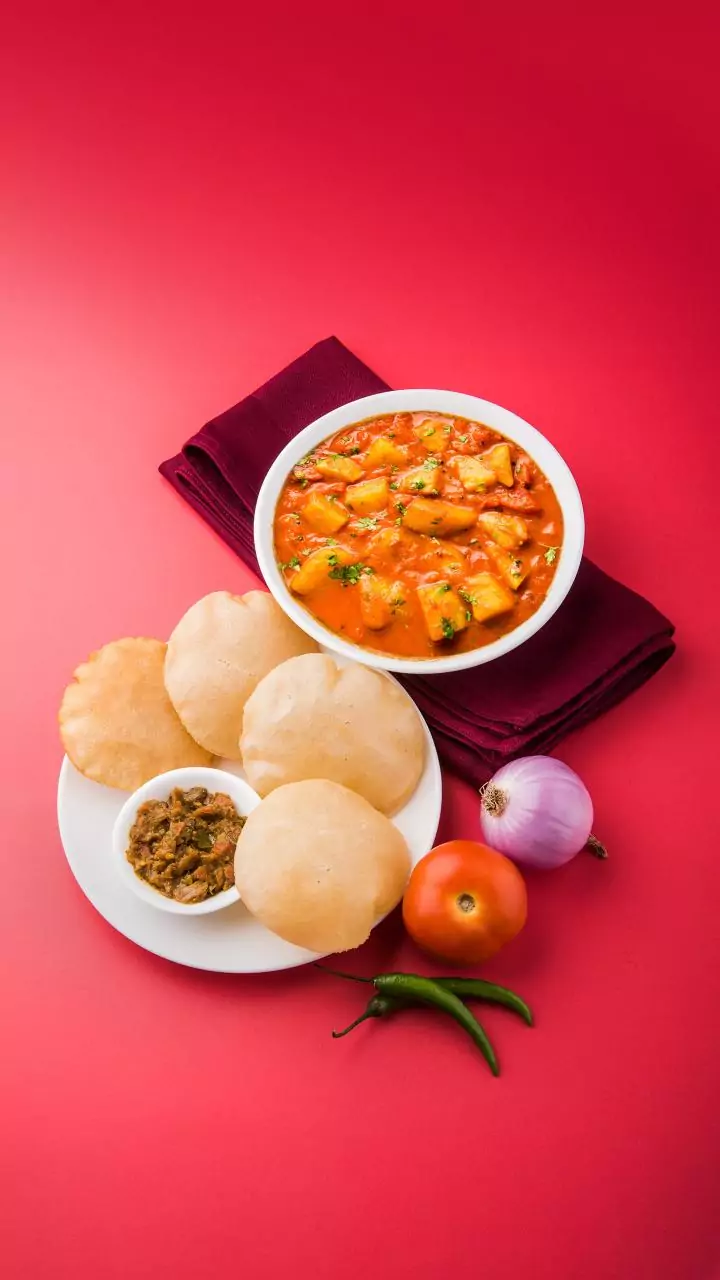
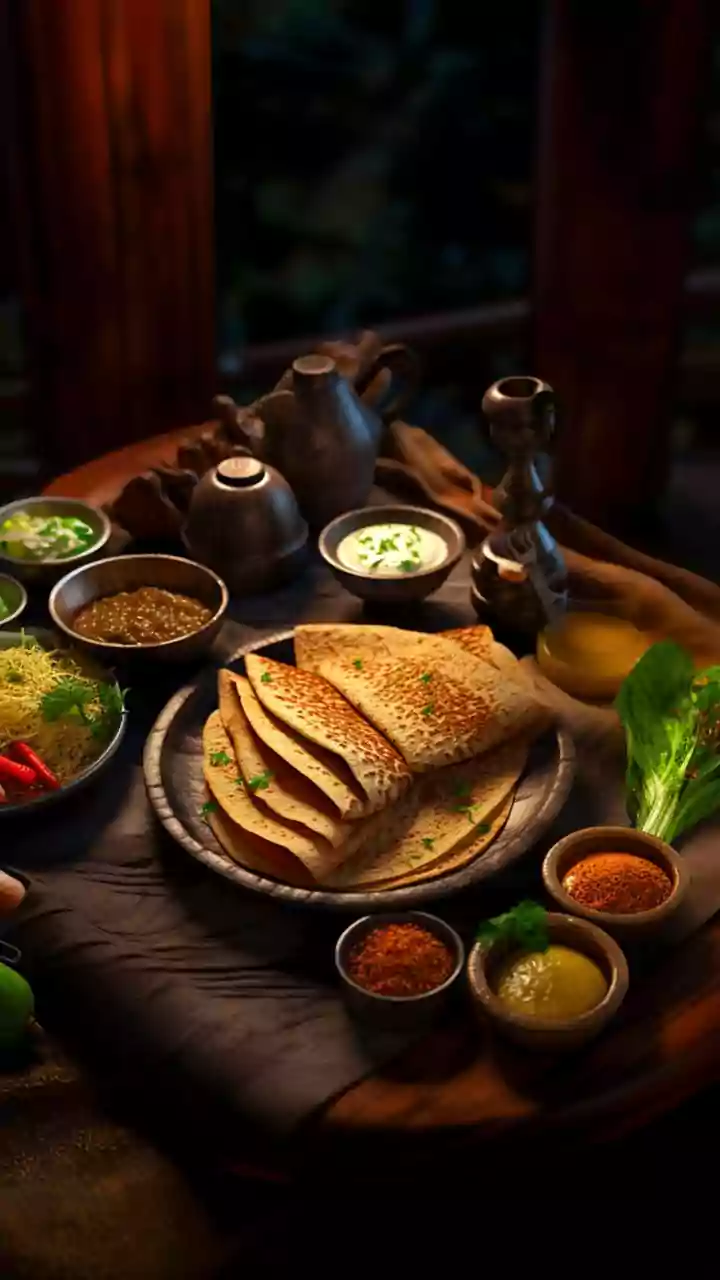
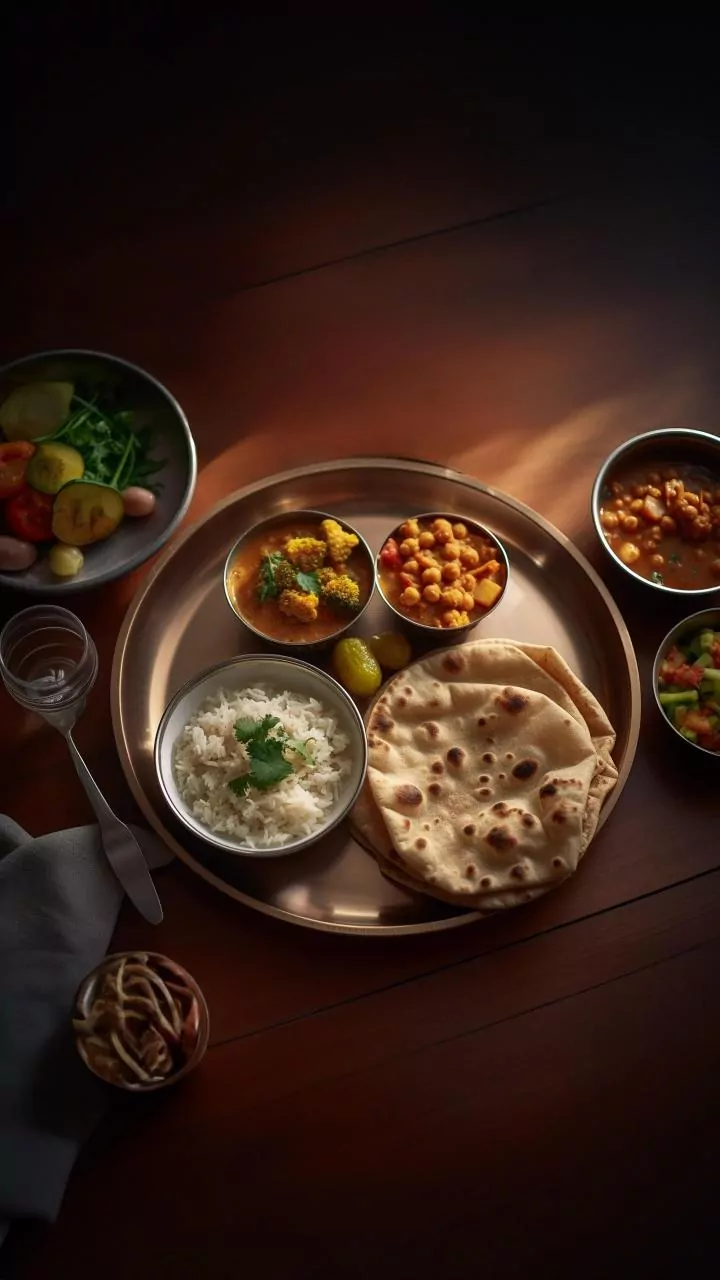
To combat the prevailing LPG scarcity, PG owners are being urged to enact stringent temporary changes to their meal services. A primary recommendation is to limit meal frequency, serving only two meals per day from Monday to Friday, and encouraging residents to pack lunch boxes to reduce kitchen load. On Saturdays and Sundays, three meals may still be offered. Crucially, dishes that demand substantial gas consumption, such as dosa, poori, and chapati, are to be temporarily removed from the menu. This culinary shift aims to significantly lower the daily gas usage within PG kitchens, thereby stretching available supplies and ensuring that basic nutritional needs can still be met without excessive reliance on gas cylinders. The focus is on simplified cooking methods and reducing cooking durations.
Alternative Cooking Methods
Beyond menu restrictions, PG owners are advised to explore and implement alternative cooking and energy solutions. The use of personal cooking gas cylinders by residents within PG premises will be prohibited. Instead, induction stoves are being encouraged for any individual cooking needs that arise. For smaller and medium-sized PGs, the adoption of 20-litre electric rice cookers is strongly recommended to decrease their dependency on LPG for staple food preparation. Furthermore, neighboring PGs are being encouraged to collaborate by sharing cooking facilities. This means preparing meals in a single, centralized kitchen and then distributing them to adjacent PGs, a strategy that consolidates gas usage and maximizes efficiency. These innovative approaches are vital for maintaining operational continuity during the gas shortage.
Contingency & Government Talks
The PG Owners Welfare Association is proactively engaging with the government to address the LPG shortage. Leadership is in direct communication with relevant authorities to seek a stable and consistent supply of cooking gas. In the event that the current shortage intensifies, PG operators are being advised to consider procuring LPG cylinders from smaller towns where the demand might be lower, ensuring a backup supply. Despite these challenges, the government has stated that cooking gas production has seen a 25% increase, urging the public against panic buying. The government's priority remains ensuring domestic LPG needs are met, and the association is working to align PG requirements with these broader national efforts.