



The Allure of White
A peculiar phenomenon is drawing crowds to Kishangarh, Rajasthan, where a site known as the 'Snow Yard' is captivating visitors with its resemblance to the Swiss
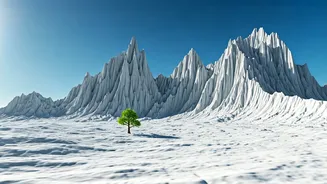
Alps. Initially developed by the Kishangarh Marble Association, this expansive 312.5-acre area serves as a designated dumping ground for the slurry generated from marble cutting and polishing. This industrial byproduct, when spread across the land, creates an ethereal, snow-like landscape that has quickly become a sensation on social media. Locals, however, often express concern, urging people to avoid the area due to its industrial origins. Despite being a former waste disposal site, its visual appeal has led to it being dubbed 'Mini Switzerland of India,' attracting a surge of tourists eager to capture its unique beauty.
Official Endorsement vs. Public Concern
The Kishangarh Marble Association, through its president Sudhir Jain, has actively promoted the development of the 'Snow Yard' as a tourist destination. Jain explained that the initiative began as a measure to combat roadside pollution caused by improper slurry disposal, establishing a regulated dumping site instead. He claims that pollution levels at the location have undergone multiple tests, with authorities granting approval for its development as a major tourist spot. However, this official stance is starkly contrasted by a growing chorus of online warnings. Internet users, particularly on platforms like X, are voicing significant apprehension, citing potential severe health consequences for visitors, which the association's public statements do not adequately address.
The Invisible Threat
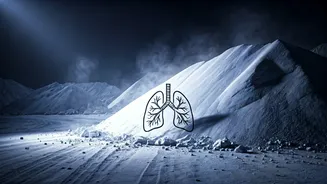
Online discussions reveal grave concerns about the health implications of visiting the 'Snow Yard.' Chirag Barjatya, a resident of Kishangarh, strongly advises against visiting, describing the landscape as composed of highly toxic marble dust. He warns that this fine particulate matter can cause permanent and irreversible damage to the lungs, a condition already affecting the local population. Photographers and influencers, he notes, often use editing techniques to enhance the visual appeal, masking the harsh reality of the site. Other users echo these sentiments, labeling the promotion of the area as irresponsible and a direct invitation for people to jeopardize their well-being for fleeting online fame, drawing parallels to the danger of exposure to crystalline silica, a known carcinogen linked to incurable lung diseases like silicosis.
Risks and Reality
The primary danger associated with the 'Snow Yard' stems from respirable crystalline silica, a component found in marble dust. Prolonged or high-level exposure to this substance is classified as a Group 1 human carcinogen, significantly increasing the risk of lung cancer. This substance is commonly present in construction materials such as stone, concrete, soil, mortar, brick, and sand. Despite these well-documented health hazards, the allure of the picturesque landscape, often amplified through digital editing, compels many tourists to visit without adequate protection, such as masks. Some visitors, like a woman featured in a BBC video, even suggest it's a better alternative to visiting actual Switzerland, completely disregarding the potential health repercussions for the sake of an Instagram-worthy shot.
Navigating the Appeal
The viral nature of the 'Snow Yard' is evident in firsthand accounts of people being surprised that others haven't visited this 'must-see' location. The visual appeal, though captivating, has overshadowed critical health considerations, with some users sarcastically remarking on the public's willingness to visit a 'cancerous area' simply because it resembles Switzerland. While some visitors from Noida expressed amazement at the spot's beauty, one woman wisely cautioned that individuals with asthma should definitely avoid the dumping yard and suggested clearer signage outlining health risks. Interestingly, promotional materials and even mentions of film shoots at the location, such as for 'Dabangg 3,' fail to disclose any potential health dangers, further contributing to the public's unawareness and the ongoing health debate.