





Protests Ignite
The streets of Iran have become a stage for widespread protests, fueled by a range of underlying issues. These demonstrations have been significant, with
protesters setting fire to state buildings and taking control of streets in port cities. The catalyst for these actions included a call for protests by an exiled prince, which prompted the government to respond with drastic measures. The demonstrations and their intensity showcase the depth of discontent within the Iranian population. The government's actions, and the protests themselves, have brought the country into global focus. The unrest’s impact on the country's social and political landscape is uncertain, but it undoubtedly reflects a deeply rooted sense of frustration and anger among the people.
Internet Shutdown
In an attempt to control the narrative and quell the unrest, the Iranian government implemented a complete internet blackout. This severe measure effectively cut off the country from the outside world, hindering the flow of information and communication. The internet shutdown made it difficult for protesters to organize and share updates on the demonstrations. This has also raised serious concerns about human rights and the government's attempts to suppress dissent. This approach has prevented independent reporting on the events unfolding on the ground, making it challenging for the global community to fully understand the scope and scale of the protests. The effectiveness of this tactic remains to be seen, but the internet blackout emphasizes the government's determination to maintain control over the situation.
India's Concerns
The protests in Iran have raised strategic concerns for India, especially regarding the operations of the Chabahar port. Intelligence agencies have flagged potential risks due to the instability and the implications for Indian investments and trade in the region. The Ministry of External Affairs (MEA) has closely monitored the developments and has issued assurances about the safety of Indian citizens residing in Iran. The MEA has been actively communicating with Iranian authorities to ensure the well-being of the Indian diaspora. The situation has prompted Indian authorities to reassess their strategic position in the region, considering the possible ramifications of the unrest on India's interests.
Global Reactions
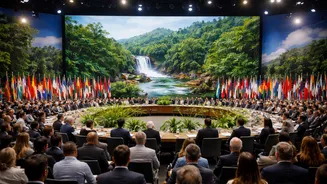
The international community is closely watching the events unfold in Iran, with various governments and organizations expressing their perspectives. The global reactions include concerns over human rights violations, the suppression of free speech, and the potential impact of the protests on regional stability. The reactions are also focused on the safety and welfare of both Iranian citizens and foreign nationals residing in the country. There have been diplomatic efforts to mediate and encourage peaceful resolution, with many countries calling for restraint and dialogue. The United Nations and other international bodies are also monitoring the situation and may consider appropriate actions. The worldwide focus highlights the significance of the unrest and its potential impact on international relations.
Khamenei's Warning
In response to the protests, Iran's Supreme Leader, Ayatollah Ali Khamenei, has issued a stern warning to both protesters and any foreign backers. The message underscores the government's resolve to suppress the demonstrations and its determination not to yield to the protesters' demands. Khamenei's comments reflect the regime's strong stance and its view of the protests as a threat to national stability. This highlights the government's belief that there are external influences behind the unrest. The warning also signifies the potential for further actions by the government to maintain control. The regime's stance signals a difficult path forward, increasing the likelihood of further confrontations and potential escalations.
Flight Disruptions
The unrest in Iran has led to flight cancellations and disruptions, affecting air travel to and from the country. Airlines have had to re-route or cancel flights due to safety concerns and uncertainties surrounding the protests. Turkey and Dubai, which are popular routes, have experienced significant disruptions. The flight cancellations reflect the impact of the protests on the nation's infrastructure and logistical capabilities. This has caused inconveniences for travelers and further isolated Iran from the rest of the world. These disruptions also provide an indication of the potential economic consequences of the unrest. The situation has forced airlines and travelers to adapt to the changing circumstances while keeping a close eye on developments.