




Trump's Redistricting Plan
The central point revolves around the rejection of a redistricting proposal in Indiana, a plan championed by Trump. This proposal aimed to redraw the congressional
map to benefit Republicans, effectively erasing two Democratic districts. Trump personally urged Republican lawmakers nationwide to engage in redistricting, viewing it as crucial for the party's future in the House of Representatives. He employed various tactics, including pressure campaigns and public statements, to sway Indiana's senators. The aim was to increase the number of Republican-held seats in Indiana, potentially from the existing seven to a complete sweep of all nine congressional districts. However, this initiative faced considerable internal opposition within the Republican party in Indiana.
Internal Resistance Emerges
Despite significant pressure from Trump and associated groups, the redistricting proposal faced considerable resistance. Key figures within the Indiana Republican party voiced concerns and ultimately voted against the plan. Several Republican senators openly criticized the plan, citing issues like splitting up counties and disregarding local interests. Former Indiana Governor Mitch Daniels lauded the senators for their courageous leadership. Behind the scenes, Trump's staff and various organizations actively lobbied for the plan, but their efforts ultimately fell short. The vote against the proposal was decisive, with more Republicans opposing it than supporting it, illustrating the limits of Trump's influence, even in a traditionally conservative state. One Republican senator, Greg Goode, expressed his disapproval before voting against the plan, highlighting the divide within the party.
The Plan's Impact
The rejected map would have had significant consequences. It was designed to reshape districts to favor Republicans, potentially giving them control of all nine of Indiana's congressional seats. This plan involved splitting Indianapolis among four districts extending into rural areas and significantly altering the district held by Democratic Representative André Carson. The proposal also sought to eliminate the district of Representative Frank Mrvan. The effort was met with strong opposition, including threats against those who disagreed with the proposal. The proposal's failure to pass was celebrated by its opponents, with cheers and expressions of gratitude heard in the Senate chamber. The debate was also marked by tensions and concerns about potential violence, reflecting the intensity of the political divide.
Reactions and Fallout
The rejection of the redistricting proposal sparked immediate reactions from various parties. Former Governor Mitch Daniels called the outcome a 'major black eye' for Trump and his allies. Those who opposed the plan chanted slogans and held signs outside the Senate chamber. Several individuals who opposed the plan received threats. The vote was seen as a victory for those who advocated for fair maps and against excessive gerrymandering. The vote underscored the importance of state-level decisions in shaping national politics and the limitations of outside influence. Some Republicans who voted against the proposal cited constituent concerns and the pressure exerted by the former president as reasons for their opposition. The outcome highlighted the complexities of political influence and the independence of some Republican lawmakers.
Broader Implications Noted
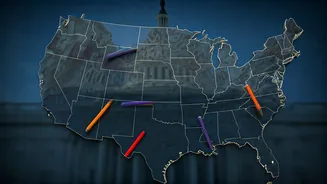
The Indiana situation is part of a larger picture of redistricting across the country. Mid-cycle redistricting has resulted in a net gain of nine congressional seats that Republicans believe they can win, while Democrats anticipate winning six. However, some of the new maps are subject to legal challenges. While the details of the Indiana plan failed, the broader context highlighted the national efforts of both parties to adjust district boundaries to their advantage. Republicans, spurred by Trump, have described redistricting as critical to their ability to maintain control in Washington. The failure of the Indiana plan, therefore, serves as a significant setback within the larger scope of political maneuvering and strategic planning related to upcoming elections and future control of the U.S. House of Representatives.