






Global Passport Power
The strength of a passport is a key indicator of a citizen's international mobility and the freedom they enjoy to travel. Several factors determine a passport's
power, including the number of countries a passport holder can access without a visa or with a visa-on-arrival. Other elements include the country's global standing and its relationships with other nations. Different organizations and ranking systems regularly evaluate passports, providing insights into their respective strengths. These assessments are vital for travelers looking to plan their trips efficiently and understand the ease with which they can access various destinations. Knowing a passport's ranking can significantly influence travel decisions and international business opportunities.
Factors That Determine
Several significant determinants shape the power of a passport. Visa-free travel is paramount, representing the ability to enter a country without pre-arranged visas. Visa-on-arrival access is another crucial aspect, allowing entry visas to be obtained upon reaching a destination. A country's international relations and diplomatic ties play a significant role; strong alliances often lead to more favorable travel agreements. A country's economic and political stability also influences its passport's strength, as stable nations are generally more trusted. Moreover, security considerations and a country's global standing affect its passport's acceptance worldwide. Passport strength is, therefore, a multifaceted concept, influenced by a blend of diplomatic, economic, and geopolitical factors.
Top-Ranked Passports
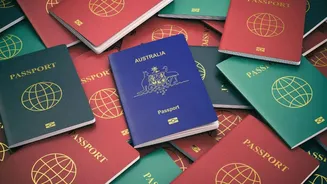
According to the latest passport rankings, the position of the most powerful passports can shift frequently. It's often countries with strong economies and favorable international relations that typically claim the top spots. These passports provide the broadest access to countries without visa restrictions. Some of the top-ranked passports frequently include those of European Union countries, Singapore, and Japan. These nations enjoy robust diplomatic ties and are generally considered politically and economically stable. The rankings are useful for travelers, providing essential information to assess their travel options and the ease of visiting various destinations. These rankings reflect the evolving dynamics of international relations and geopolitical influence.
India's Passport Rank
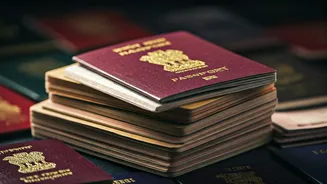
India's passport is placed within a certain range in global rankings. While not at the top, it still offers considerable travel opportunities. The ranking reflects India's diplomatic ties, economic influence, and the visa policies of other countries towards Indian citizens. The ranking is a testament to the nation's increasing global presence. The Indian passport provides access to many countries without a prior visa or through visa-on-arrival, making it convenient for travel. As India grows in economic and political stature, there are possibilities that the ranking will improve, offering citizens even greater travel flexibility and access to the world.
Implications For Travelers
The ranking of a passport has several implications for travelers. It directly impacts their travel planning, determining the ease of entering various countries. Individuals with passports that offer extensive visa-free travel enjoy more freedom and flexibility. This allows for easier and quicker travel arrangements, reducing the need for lengthy visa application processes. It also affects the cost of travel, since visa fees can often add to the total expenses. The passport ranking can influence international business opportunities, since business travelers often prioritize ease of access to different markets. Therefore, a strong passport acts as a valuable tool for those seeking global experiences and international endeavors, facilitating easier and more affordable travel.
Future Trends
The dynamics of passport rankings are ever-changing, influenced by geopolitical developments and evolving international relations. The rising importance of digital nomadism and remote work could also reshape travel preferences and demand. Additionally, international travel regulations and policies can change, with new visa requirements and agreements coming into effect. As countries negotiate new travel agreements, passport rankings will evolve, and could improve access to more destinations. Travelers should stay updated on the latest rankings to make informed decisions about their travel plans. The ability of a passport to provide easy international mobility and access to opportunities is expected to become increasingly vital in a connected world.