
Military Buildup and Threats
Following a surge in unrest across Iran, with protests starting on December 28th, the US significantly increased its military presence. President Trump
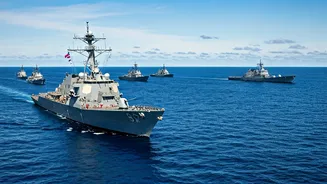
announced the deployment of an 'armada' towards Iran, intending to send a clear message. He hoped that the deployment would not lead to direct conflict, while simultaneously reiterating warnings against the killing of protesters or any attempt to restart the nuclear program. He mentioned that the US would act again if Tehran tried to restart its nuclear program. Furthermore, additional air defense systems are also being considered for deployment to the region. Trump's comments and the military movements underscore the escalating tension and the US's determination to deter certain actions by Iran.
The Humanitarian Concerns
The US has expressed serious concerns about the crackdown on protests in Iran. Trump stated that he did not know the exact number of deaths, but it was significant, regardless. The US-based Human Rights Activists News Agency (HRANA) reported that they had verified 4,519 deaths related to the unrest. That number includes 4,251 protesters, with an additional 9,049 deaths under review. According to an Iranian official, the confirmed death toll until Sunday stood at more than 5,000, including around 500 members of the security forces. The situation is further complicated by Iran's alleged halt of nearly 840 hangings after Trump’s threats, though the actual cause and extent are still subject to independent verification.
Nuclear Program Concerns
The US's concerns extend beyond the treatment of protestors to Iran's nuclear program. Trump explicitly warned Iran against restarting its nuclear activities. The International Atomic Energy Agency (IAEA) requires Iran to report on the status of sites struck by the US. This includes an estimated 440.9 kg of uranium enriched up to 60% purity, which, if further enriched, could produce enough material for up to 10 nuclear bombs. The US has emphasized that it would not tolerate any actions that could destabilize the region, referring to the nuclear program and warning Iran against it.
US Military Deployment
As tensions rise, the US has bolstered its military presence in the region. The US military has historically increased its presence in the Middle East during periods of high tension, typically for defensive purposes. Trump announced that the aircraft carrier USS Abraham Lincoln and several guided-missile destroyers are expected to arrive in West Asia in the coming days. This deployment, along with the other military movements, displays a strategic positioning to both defend US interests and potentially respond to any threats. Trump added: 'If they try to do it again, they have to go to another area. We’ll hit them there too, just as easily.'