







Forest Cover Decline
Uttarakhand, a state known for its lush forests and mountainous terrain, has recently experienced a concerning reduction in its green cover. Reports indicate
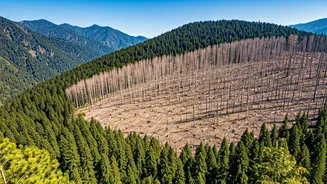
that the state has lost 214 square kilometers of forest area. This decline is not merely a statistical figure; it represents a tangible loss of vital ecosystems, biodiversity, and the crucial role forests play in regulating the climate and supporting local communities. The loss underscores the critical need for immediate action to mitigate the ongoing deforestation and implement sustainable practices to protect the remaining forest resources. The shrinking forest cover not only affects the environment but also poses significant challenges to the livelihoods of people who depend on forests for their sustenance.
Impact of Deforestation
The loss of 214 square kilometers of forest area in Uttarakhand carries several significant implications for the environment and the local population. Deforestation can lead to soil erosion, as the roots of trees no longer hold the soil in place, making the land vulnerable to landslides and floods. Furthermore, deforestation contributes to climate change by reducing the capacity of the forest to absorb carbon dioxide, a greenhouse gas. This can accelerate global warming and disrupt weather patterns. For the local communities, forest loss can mean a loss of resources, such as timber, medicinal plants, and food, on which they depend. It also impacts the availability of clean water, as forests play a crucial role in maintaining water cycles. The shrinking forests are indicative of a broader environmental crisis that requires urgent and comprehensive interventions.
Causes and Concerns
Several factors contribute to the decline in Uttarakhand's forest cover. These include illegal logging, unsustainable agricultural practices, and infrastructure development. The 'graveyard of trees' crisis, as it is being called, points to a larger problem of environmental degradation. The increasing demand for timber and land for various development projects also poses a threat to forests. The lack of stringent enforcement of environmental regulations and inadequate monitoring further exacerbate the situation. Concerns are mounting among environmentalists and local communities, prompting calls for stricter measures to protect the remaining forests. It is imperative to identify the root causes of deforestation and implement measures that prioritize sustainable forest management and promote the active participation of local communities in conservation efforts.
Needed: Protective Measures
Addressing the crisis of forest cover loss in Uttarakhand requires a multi-pronged approach involving government, local communities, and environmental organizations. Stricter enforcement of laws against illegal logging and deforestation is crucial. Sustainable forest management practices, such as promoting afforestation and reforestation programs, are essential to replenish the lost forest cover. Encouraging eco-tourism and creating alternative livelihood opportunities for local communities can help reduce their dependence on forest resources. Involving local communities in forest protection and management, and providing them with the necessary resources and training, can also ensure the long-term sustainability of these efforts. Promoting awareness among the general public about the importance of forests and the need for conservation is equally vital to garner widespread support for environmental protection.
Future Outlook
The future of Uttarakhand's forests depends on the effective implementation of protective measures. With continued efforts to restore forest cover and promote sustainable practices, it's possible to reverse the current trend. A collaborative approach, involving all stakeholders, is vital to safeguard the region's rich biodiversity and ensure the ecological and economic well-being of the state. Environmental policies, if well-executed, are poised to play a pivotal role. The success in protecting and restoring the forest cover will also serve as a model for other regions facing similar challenges. The commitment to preserving Uttarakhand's forests ensures a healthier environment for present and future generations.