
Global Beauty Overview
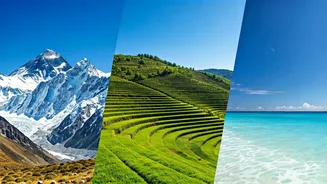
The concept of beauty in a country is multifaceted, encompassing a variety of elements. It's not just about natural landscapes, like mountains, beaches,
or forests; cultural factors also play a critical role. A country's aesthetic appeal can stem from its architecture, historical sites, and the overall ambiance of its cities and towns. The presence of unique wildlife, diverse ecosystems, and well-preserved natural habitats also contribute to a country's ranking on such lists. Essentially, the 'most beautiful' countries blend natural beauty with cultural richness and a sense of wonder that resonates with visitors and locals alike. The overall attractiveness is often a combination of factors, creating a unique and memorable experience.
India's Natural Wonders
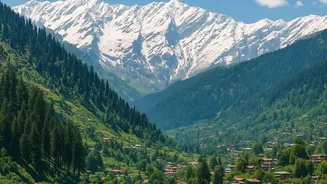
India's inclusion on a list of the most beautiful countries often highlights its diverse geographical features. The Himalayan mountain range, with its snow-capped peaks and stunning valleys, offers a breathtaking spectacle. Coastal areas, such as those along the Arabian Sea, Bay of Bengal, and Indian Ocean, provide access to beautiful beaches, lush greenery, and abundant marine life. The varied landscapes, from the Thar Desert in Rajasthan to the backwaters of Kerala, add to the visual diversity. National parks and wildlife sanctuaries, such as those in the Western Ghats and the Northeast, contribute to India's beauty by preserving unique ecosystems and offering glimpses of rare flora and fauna, enhancing its reputation as a place of natural wonders.
Cultural Richness of India
Beyond its natural beauty, India's cultural richness further enhances its appeal. The country is a tapestry of traditions, with diverse art forms, music, dance, and festivals that reflect its history and heritage. Ancient architecture, including historic forts, temples, and palaces, tells stories of dynasties and civilizations that have shaped the nation. The vibrant cities, with their bustling markets, colorful festivals, and unique lifestyles, provide a glimpse into India's cultural depth. This combination of natural beauty and cultural heritage makes India a compelling destination, offering a unique experience for visitors who want to explore its varied landscapes and rich traditions.
Key Factors Considered
When determining the beauty of a country, several factors are considered. Natural landscapes, including mountains, coastlines, and forests, play a significant role. The variety of ecosystems and the presence of unique flora and fauna contribute to the visual appeal. Cultural elements like historical sites, architecture, and the overall ambiance of cities and towns also matter. The quality of life, which encompasses factors such as cleanliness, safety, and the friendliness of the people, can influence a traveler's perception of a country. A balance between natural beauty, cultural heritage, and a welcoming atmosphere usually defines the beauty of a nation, making it an attractive destination for visitors.
Impact on Tourism
Being recognized as one of the most beautiful countries has a profound impact on tourism. It attracts more visitors, increasing revenue and creating job opportunities. It also boosts a country's global image, enhancing its reputation and fostering international relations. The increased tourism also creates an impetus for the preservation of natural beauty and cultural heritage, as governments and local communities invest in conservation efforts and infrastructure. The positive attention prompts the development of tourism-related businesses, leading to economic growth. Overall, such recognition can transform a country's economy, promote cultural exchange, and encourage the protection of its resources for future generations.
Other Notable Nations
While the exact list of the top 10 countries can vary depending on the criteria, some nations consistently rank high in such assessments. Italy, with its stunning coastline, historic cities, and delicious cuisine, is often included. New Zealand, famous for its dramatic landscapes, from mountains to fjords, also commonly makes the list. Switzerland, with its picturesque Alpine scenery, pristine lakes, and charming villages, is another frequent contender. Other countries that may appear on these lists include Japan, known for its temples, gardens, and cherry blossoms; and Canada, with its vast wilderness, stunning national parks, and vibrant cities. The composition of the top 10 reflects diverse values and preferences, showcasing the range of global beauty.
Sustainable Tourism Practices
With a focus on tourism and beauty, the adoption of sustainable tourism practices becomes essential. This involves protecting the environment, preserving cultural heritage, and benefiting local communities. Environmental conservation includes minimizing pollution, reducing waste, and conserving natural resources. Cultural preservation focuses on protecting historical sites, traditional arts, and local customs. Engaging the local communities ensures economic benefits reach the residents, encouraging them to support tourism efforts. By implementing these practices, countries can promote responsible tourism, ensuring that their beauty can be enjoyed for generations while also contributing to their social and economic well-being.
India's Future Tourism
Looking ahead, India has the potential to enhance its tourism sector by building on its strengths. Further development of tourism infrastructure, including transportation and accommodations, would improve the visitor experience. Marketing India's diverse attractions, from its natural wonders to its cultural sites, would attract a wider range of tourists. Promoting sustainable tourism practices across the country ensures that the beauty of India is preserved for future generations. Embracing these strategies will allow India to capitalize on its unique offerings, establish itself as a prime global destination, and ensure a prosperous future for its tourism sector. By emphasizing responsible tourism, India can share its beauty with the world.
Beyond Aesthetics Alone
Although beauty is an important element, a country's appeal also involves other factors. The safety and well-being of visitors play a significant role, with measures such as robust infrastructure, health services, and low crime rates. The hospitality of the locals, their friendliness, and willingness to assist tourists enhances the overall experience. Cultural sensitivity and respect for local customs, traditions, and values are also essential. Furthermore, the accessibility of a country, including ease of travel and communication, influences its appeal. Combining these factors with aesthetic beauty creates a holistic experience and provides the foundation for an unforgettable trip, demonstrating a country's ability to offer a welcoming and satisfying experience.
Conclusion: India's Allure
In conclusion, India's beauty is a combination of natural wonders and cultural richness. From the Himalayas to the backwaters of Kerala and the ancient temples to the vibrant cities, India provides a visual and cultural experience. Its diversity and heritage, combined with the efforts towards sustainable tourism, position it as a world-class destination. As India continues to develop its tourism sector, it is poised to attract more visitors, contributing to its global image and ensuring its beauty is appreciated by generations. Its inclusion among the most beautiful countries is a testament to its unique blend of offerings and its commitment to sharing them with the world.