







The Agentic Shift
As artificial intelligence rapidly evolves, companies are being urged to fundamentally alter their approach to how work is conceptualized and executed.
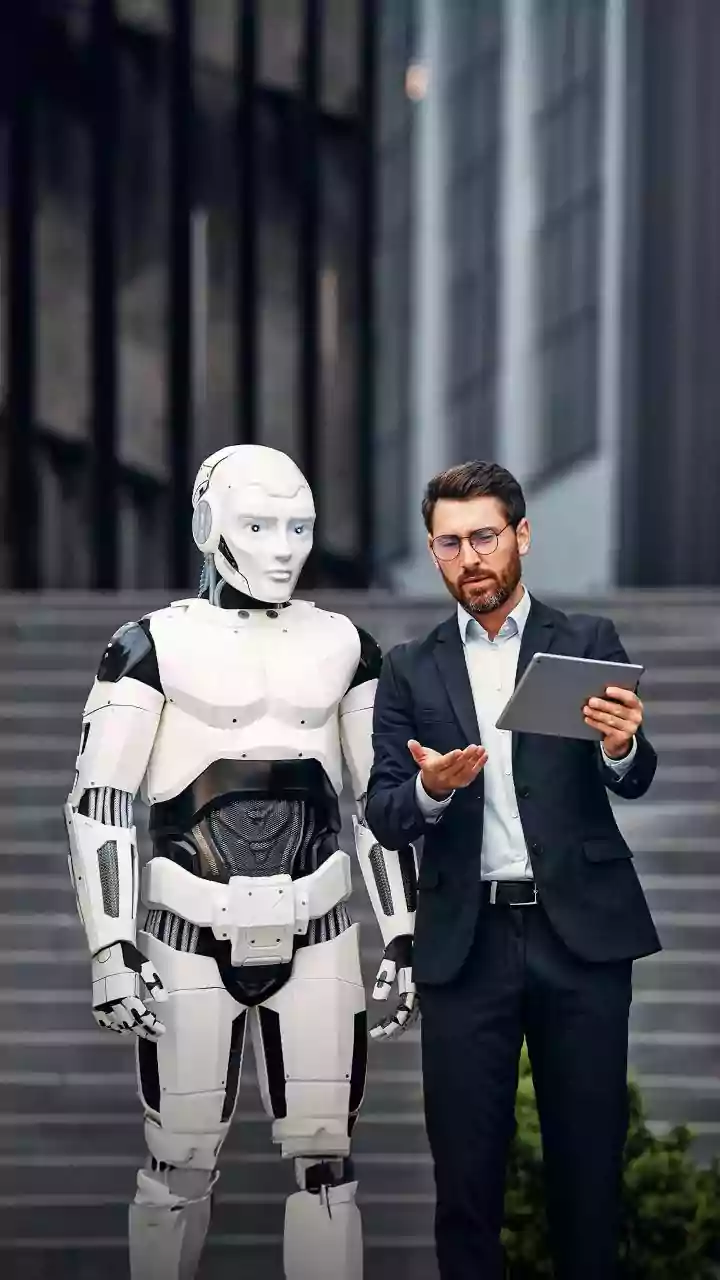
Microsoft CEO Satya Nadella has highlighted that the integration of AI, particularly agentic systems designed to perform tasks autonomously, presents a profound opportunity. Instead of merely automating existing processes, businesses must view this as a chance to amplify human potential and redesign the very fabric of their operations. This means moving beyond simply adopting new technologies and instead focusing on how AI can empower individuals, allowing them to concentrate on higher-level decision-making and strategic outcomes. The core idea is that as AI handles more of the routine execution, humans gain the space to innovate and lead, fundamentally changing the nature of 'work' itself within organizations.
Bridging the Gap
A significant challenge identified by Microsoft is the disparity between employee readiness for AI and organizational adaptability. While many workers are eager to leverage AI for increased productivity and creative endeavors, a substantial portion of companies remain anchored by outdated systems, rigid processes, and traditional job classifications. This creates a bottleneck, preventing the full realization of AI's benefits. Microsoft's research, analyzing trillions of productivity signals and surveying 20,000 workers across 10 countries, reveals that approximately 1 in 10 employees are hindered because their organizations have not kept pace with technological advancements. The company categorizes this into zones: about 1 in 5 workers are in the 'Frontier zone,' actively boosting productivity with AI, while nearly half are in the 'emergent zone,' where both individuals and their companies are still navigating AI adoption. The critical issue lies not just in tool adoption or individual training, but in systemic problems within leadership, company culture, management practices, and performance evaluation methods.
Redefining Human Roles
The advent of agentic AI compels a redefinition of what constitutes 'human' work. As intelligent systems adeptly handle execution-intensive tasks, the focus shifts to roles that leverage uniquely human attributes such as critical thinking, creativity, emotional intelligence, and complex problem-solving. Microsoft terms this the 'new agency equation,' where the delegation of execution to AI liberates human capital for more strategic and value-generating activities. The challenge for organizations is to cultivate an environment where this expanded human agency can truly flourish. This requires a systemic overhaul, moving beyond superficial changes to address ingrained leadership philosophies, foster a culture that embraces continuous learning and adaptation, implement forward-thinking management strategies, and evolve performance metrics to acknowledge the new landscape of human-AI collaboration. Essentially, companies must engineer their structures and cultures to harness the augmented capabilities that AI brings, transforming operational paradigms and unlocking unprecedented levels of innovation and business value.