


A Fashionable Partnership
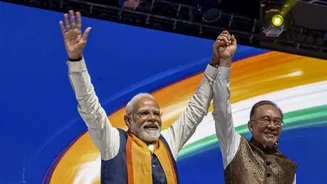
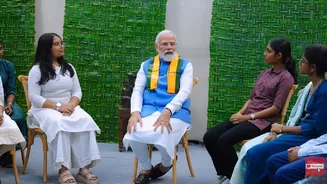
The sight of PM Modi and the EU Chief wearing matching silk stoles created quite a buzz, turning heads during a significant diplomatic meeting. These weren't
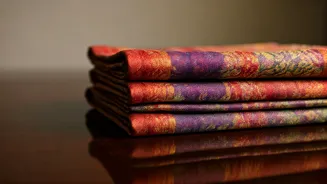
mere accessories; they were a deliberate choice, intended to highlight the cultural significance of Indian textiles, particularly those from the Northeastern states. This sartorial connection served as a visual representation of the strengthening relationship between India and the European Union. The shared fashion moment added a touch of warmth and personalization to the formal setting of the trade discussions, signaling respect for Indian heritage and craftsmanship. The stoles, therefore, played a pivotal role in the narrative of this high-level meeting. This gesture emphasized the value of the collaboration through the shared appreciation of textiles.
Eri Silk's Unique Charm
The stoles were crafted from Eri silk, also known as 'peace silk' because the silkworms are allowed to complete their life cycle without being harmed. This gentle process gives Eri silk its distinctive qualities. It's known for its durability, warmth, and luxurious texture. Unlike other types of silk, Eri silk has a matte finish and a slightly rougher feel, giving it a unique character. The choice of Eri silk for these diplomatic gifts further emphasizes a commitment to sustainable practices and respect for traditional methods. Its natural properties make it ideal for various climates, adding to its versatility and appeal. This type of silk's origin in the Northeastern region of India connects it to a rich legacy of craftsmanship and cultural identity.
Northeastern Roots of Silk
Eri silk's origins lie in the Northeastern states of India, specifically Assam, where it has been cultivated for centuries. The tradition of Eri silk weaving is deeply ingrained in the local culture, with families passing down weaving techniques through generations. The stoles, therefore, were more than just garments; they were tangible representations of the Ashtalakshmi states' skilled artisans and heritage. By choosing Eri silk, the leaders acknowledged the craftsmanship and dedication of these artisans, showcasing their talents on an international stage. The Northeastern region's association with Eri silk adds cultural depth to the diplomatic exchange, celebrating the unique identity and contributions of the region.
Trade and Culture Blend
The selection of silk stoles for the occasion was not accidental. It was a conscious effort to blend the ongoing trade negotiations with a celebration of Indian culture. As the India-EU trade pact advanced, the stoles became symbolic of collaboration and shared values. This gesture highlighted the importance of cultural understanding and mutual respect in international relations. The choice demonstrated the leaders' appreciation for the artistic heritage of the Northeastern region, integrating it into the formal setting of the summit. This blend of diplomacy and cultural expression emphasized the broader goals of the summit, including fostering strong relationships and promoting mutual understanding.
Artisans Honored Symbolically
The 'At Home' Republic Day invite, presented by the President, acknowledged the skilled artisans of the Ashtalakshmi states in a significant way. Through the silk stoles, the leaders provided a platform to recognize their work. These artisans represent the embodiment of skill and craftsmanship, using their expertise to create beautiful and meaningful textiles. This recognition went beyond mere acknowledgment, providing a symbolic gesture that gave value to their profession. The fashion choices served as a tribute to these artisans, whose contributions often go unnoticed. By choosing these stoles, the leaders made a clear statement about the value of skilled craftsmanship and the importance of preserving traditional art forms.