






The Remote Work Revolution
The rise of remote work has fundamentally altered travel patterns, especially for younger generations and freelancers. No longer tethered to traditional
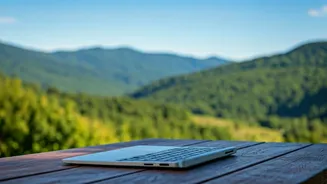
office spaces, individuals are discovering the allure of relocating temporarily to serene mountain locales. This freedom allows for a dramatic shift from short, hurried vacations to extended "workations." These mountain towns offer a lower cost of living and a more tranquil pace of life, making them an attractive alternative to bustling metropolitan areas. For accommodation providers like homestays and hostels, this evolving traveler profile presents a significant new business avenue. They are adapting by curating specialized month-long packages, moving beyond reliance on seasonal tourism to secure more consistent income streams throughout the year. These packages typically encompass essential amenities crucial for a productive remote work experience, including robust Wi-Fi, dedicated workspace areas, functional kitchen facilities, and convenient laundry services, thereby transforming standard stays into comfortable, temporary homes.
Hosts Embrace Stability
Property owners in India's mountainous regions are increasingly recognizing the substantial benefits of catering to long-stay guests. While short-term tourist bookings can be unpredictable and fluctuate significantly with the seasons, month-long stays offer a much-needed layer of financial stability. Many popular hill destinations experience pronounced lulls in occupancy outside of peak travel periods, making consistent income a challenge. By offering attractive monthly packages, hosts can ensure more reliable revenue streams, effectively mitigating the impact of seasonality. Furthermore, this shift allows for a focus on affordability and lifestyle rather than solely on luxury offerings. Bundling essential services like internet, meals, and workspace access into a single monthly fee often presents a more cost-effective solution for travelers compared to prolonged hotel stays. This strategic pivot has led to a surge in listings on various travel platforms and social media, explicitly promoting "workation packages" and monthly rentals in scenic mountain settings, reflecting a growing demand for extended, value-driven accommodations.
Instagram's Scenic Influence
Social media, particularly platforms like Instagram, has played an instrumental role in transforming the perception of mountain living into an aspirational lifestyle trend. The visual nature of these platforms showcases idyllic scenes of slow mornings in the hills, productive work sessions from charming local cafes, and the fulfilling experience of extended stays in remote, beautiful valleys. This curated online presence appeals significantly to younger travelers who are often seeking an escape from the pressures and exhaustion of urban life, craving cleaner air and a more peaceful routine. The emphasis has shifted from a checklist approach to travel, where the goal is merely to visit numerous places, towards a more immersive approach. This involves settling into a location, establishing a rhythm of work interspersed with exploration of local trails and cafes, and truly experiencing a place over an extended period. This mirrors the broader global movement towards "slow travel," prioritizing depth of experience and longer engagements with destinations over hurried, multi-stop itineraries.
Budget-Friendly Mountain Living
The economic aspect is a significant driver behind the surge in long-term stays in India's mountain towns. For many, a month spent in these picturesque locations can be substantially more economical than renting a comparable living space in a major metropolitan city. Budget-friendly hostel beds and simpler room accommodations can be secured for monthly rates typically ranging from Rs 8,000 to Rs 15,000. For those seeking more comfort and amenities, mid-range "workation" packages, often including private rooms and reliable Wi-Fi, usually fall between Rs 20,000 and Rs 40,000 per month. Smaller, less commercialized destinations such as Jibhi, Tirthan Valley, Banjar, and select areas within Kangra and Palampur are particularly gaining traction. These spots offer the appeal of quieter surroundings and a more authentic experience at a lower price point compared to established, larger hill stations. The financial calculation for travelers is straightforward: a month-long immersion in the mountains can frequently be less expensive than a comparable urban stay, while simultaneously offering a profoundly different and more desirable lifestyle.
Evolving Mountain Destinations
This growing trend is fundamentally reshaping the nature of tourism in India's mountain regions, moving beyond traditional short-term visits. Many hill towns are transforming into dynamic, hybrid spaces that seamlessly blend hospitality services with co-living environments and a thriving remote-work culture. This evolution aligns with broader national initiatives, such as Prime Minister Narendra Modi's encouragement for increased remote work adoption. Recent travel data corroborates this shift, indicating a marked increase in longer stays and multi-day trips, particularly in destinations like Kashmir and Ladakh. Reports highlight a significant rise in trips lasting 6-9 nights, a substantial growth of 39 percent in off-season travel, and a 43 percent increase in short breaks of 4-6 nights among Gen Z and young professionals. This data clearly signals a departure from rushed, itinerary-driven holidays towards more immersive and leisurely travel experiences. Consequently, cafes are now emphasizing high-speed internet availability, hostels are organizing community events and creator meetups, and homestays are redesigning their spaces to better accommodate extended stays, fostering a new era of mountain living.