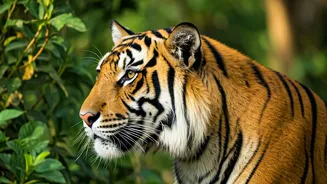

Corbett National Park
Corbett National Park, situated in the foothills of the Himalayas in Uttarakhand, tops the list due to its robust tiger population and well-managed ecosystem.
Established in 1936, this park is India's oldest national park and a pioneer in Project Tiger. It's easily accessible from major cities like Delhi, making it a favorite among tourists. The park's diverse terrain, encompassing grasslands, riverine belts, and dense forests, provides an ideal habitat for tigers and their prey. The best time to visit Corbett for tiger sightings is from November to June. Visitors can explore the park through jeep safaris, elephant safaris, and by staying in the park's lodges and resorts to maximize their chances of spotting a tiger. Early morning and late afternoon safaris are generally the most productive times for wildlife viewing, when tigers are most active. The park’s commitment to conservation, along with its accessibility and rich biodiversity, make it a top choice for tiger enthusiasts.
Kanha National Park
Kanha National Park, located in Madhya Pradesh, is celebrated for its lush Sal and bamboo forests, and open grasslands, offering a beautiful backdrop for tiger sightings. This park played a crucial role in conserving the tiger population and is renowned for its well-maintained conservation efforts. Kanha is the inspiration behind Rudyard Kipling's 'The Jungle Book', adding to its allure. The park has a good population of tigers, along with other wildlife species like the Indian leopard, sloth bear, and gaur. Visitors can opt for jeep safaris, with the best time to visit being between November and June, when the weather is favorable and the chances of spotting a tiger are high. The park’s infrastructure, including comfortable lodging and experienced guides, ensures a seamless and enriching safari experience. Kanha’s success story in tiger conservation, coupled with its captivating landscapes, makes it a must-visit destination for wildlife enthusiasts. The park's commitment to protecting its biodiversity guarantees visitors a truly immersive experience in the heart of the Indian wilderness.
Bandhavgarh National Park
Bandhavgarh National Park, also in Madhya Pradesh, is famed for its high tiger density and frequent sightings. The park is characterized by dense forests, rocky hills, and ancient ruins, enhancing its appeal. The density of tigers in Bandhavgarh is remarkably high, increasing the likelihood of encounters. Jeep safaris are the primary mode of exploring the park, with morning and afternoon drives offering the best opportunities. Bandhavgarh is open for visitors from October to June. The park is divided into different zones, and the choice of zone can affect the chances of tiger sightings. The park's historical significance, combined with its thriving tiger population, makes it an attractive destination for wildlife lovers. Bandhavgarh’s accessibility and the availability of comfortable accommodation also contribute to its popularity. Careful planning, including bookings for safaris and accommodation in advance, is recommended to ensure a fulfilling wildlife experience.
Ranthambore National Park
Ranthambore National Park, situated in Rajasthan, offers a unique safari experience with its rugged terrain, historic fort ruins, and abundant wildlife. The park's dry deciduous forests and the presence of the Ranthambore Fort within the park provide an exceptional landscape. Tigers are frequently sighted here. The park is open to visitors from October to June. Safaris are conducted in open-top jeeps and canters, with different zones offering varying opportunities for wildlife sightings. Ranthambore is also home to a variety of other species, including leopards, sloth bears, and various bird species. The park's rich history, combined with its diverse wildlife, ensures a memorable experience. Visitors should be aware of the park's regulations and guidelines, and booking accommodations and safaris in advance is essential to avoid last-minute issues. Ranthambore’s commitment to wildlife conservation and its exceptional safari experiences make it an enticing destination for wildlife enthusiasts.
Pench National Park
Pench National Park, spanning across Madhya Pradesh and Maharashtra, is renowned for its scenic beauty and diverse ecosystem, and is also linked to Rudyard Kipling's “The Jungle Book”. The park is located along the Pench River, which serves as a lifeline for its wildlife. The park's mixed forests and grasslands support a healthy tiger population. The best time to visit Pench is from November to June. Jeep safaris are the main way to explore the park, giving visitors an opportunity to view wildlife. Apart from tigers, the park has various other animals, including leopards, wild dogs, and numerous bird species. Pench offers a less crowded safari experience than some other parks, making it an excellent choice for those seeking a tranquil and immersive wildlife experience. The park’s well-managed environment and the presence of comfortable accommodations ensure a satisfying visit. Planning ahead, including safari and accommodation bookings, allows visitors to fully enjoy the natural beauty and wildlife of Pench.