





Commute Time Challenges
Commuting is a fact of life for many people across the globe, especially in bustling Asian cities. However, in some of these urban centers, the time spent
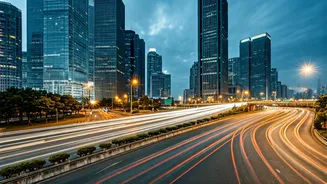
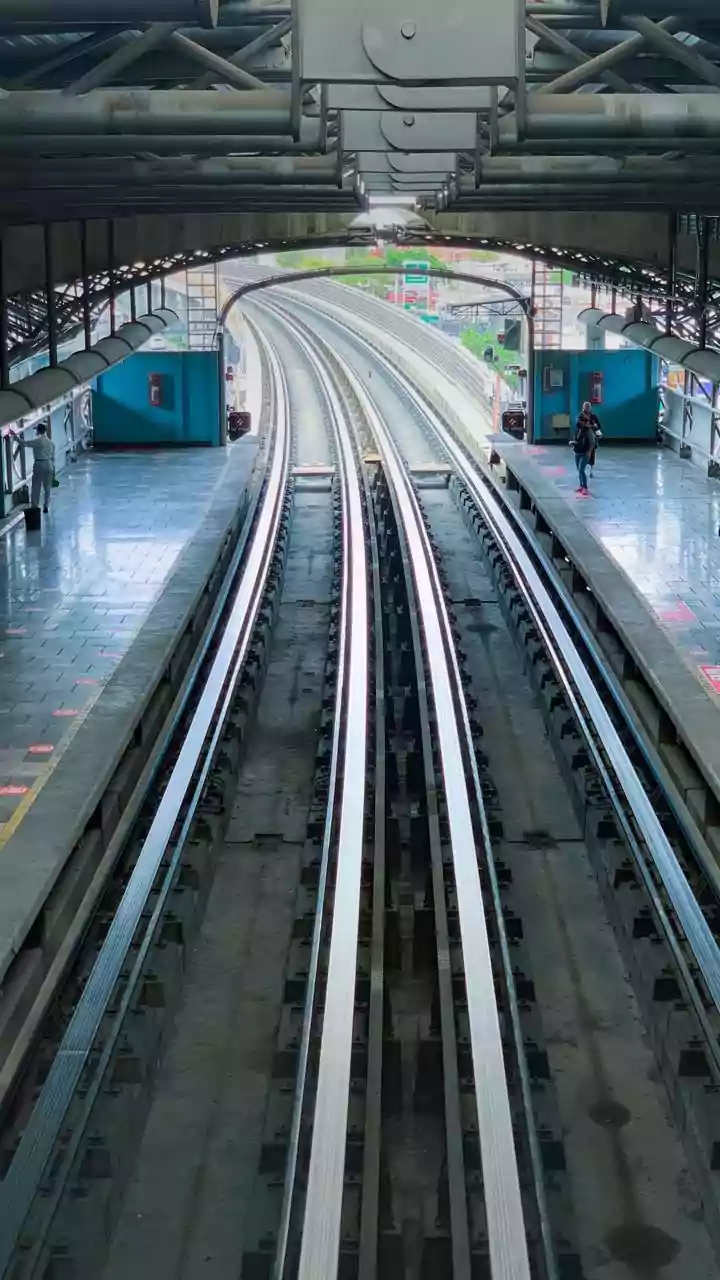
traveling to and from work is particularly excessive, affecting people's daily lives in numerous ways. Long commutes are associated with increased stress levels, decreased work-life balance, and reduced personal time for recreation, family, and rest. This phenomenon raises questions about urban planning, infrastructure development, and the overall quality of life for residents within these cities. Some cities face severe infrastructure limitations, leading to crowded roads, inadequate public transportation, and traffic congestion. Understanding the cities with the longest commute times offers insights into the unique challenges and conditions shaping life in urban Asia.
Bangkok's Commute Conundrum
Bangkok is renowned for its intense traffic, and it also struggles with extended commute times, making it a challenging city to navigate daily. The frequent congestion experienced on the roads can extend travel durations significantly, especially during peak hours. Residents often spend a notable amount of time commuting to work, contributing to the city's place among the locations with the longest commute times. Contributing factors include the growing population, inadequate transportation infrastructure, and the high number of personal vehicles on the road. The city's authorities have implemented initiatives like expanding public transport networks, but traffic remains a major concern for both residents and visitors. Bangkok's experience illustrates the wider problems associated with urbanization and the need for comprehensive and sustainable urban planning to reduce commute times and enhance the quality of life.
Manila's Daily Grind
Manila, like other sprawling Asian cities, endures the burden of prolonged commute times that affect its citizens' routines. The metropolis contends with dense traffic, a direct result of rapid population growth, insufficient public transit, and congested roads. Filipinos working in Manila regularly find themselves committing extended periods to their daily journeys to and from work. These long commute times have a significant impact on people's general well-being, as they often correlate with higher stress levels and reduced personal time. Efforts to ease congestion, such as upgrading public transport and promoting more efficient transit, are ongoing. Manila's predicament serves as a reminder of the need for inventive solutions and sustained efforts in urban management to reduce commute times and improve residents' overall quality of life.
Jakarta's Traffic Woes
Jakarta, an Indonesian megacity, ranks among the locales grappling with protracted commute times, a significant issue that affects its citizens. The city encounters severe traffic jams, which are mainly attributable to high population density and transportation infrastructure that is overstretched. Many individuals in Jakarta dedicate a considerable duration to traveling to and from their workplaces. These protracted commutes have far-reaching effects on people's well-being, commonly leading to increased stress and a decrease in free time. The local government has initiated efforts to relieve traffic congestion, including enhancing public transportation networks and promoting the use of bus rapid transit systems. Jakarta's situation underscores the importance of ongoing efforts and inventive urban planning strategies to enhance the commuting experience.
Other Cities Listed
The list of Asian cities with the longest commutes reveals a common theme of challenges associated with urbanization and development. Besides the cities already discussed, many others also experience extended commute times. This problem underscores the need for thoughtful urban planning, investment in public transportation, and measures to manage traffic and encourage more sustainable commuting habits. These challenges present an opportunity for innovation in urban design, promoting efficiency and providing a better quality of life for residents. The collective experiences of these cities present a critical perspective on the impact of infrastructure and the importance of adapting to the demands of a growing population. By exploring these concerns, cities can discover strategies to enhance urban living.