
Sooji: A Versatile Base
Sooji, also known as semolina, is a versatile ingredient that forms the foundation for many delicious dishes. Its slightly grainy texture and ability to
absorb flavors make it a popular choice in various cuisines. Sooji is derived from durum wheat and is a staple in Indian households. It can be used in both sweet and savory preparations, offering endless culinary possibilities. The key to working with sooji is understanding its water absorption properties and adjusting the cooking time accordingly. Whether you're a seasoned cook or a beginner, sooji provides a great canvas for culinary creativity, and it's particularly well-suited for creating quick and satisfying breakfasts that are both nutritious and enjoyable, with its simplicity and ability to pair with various ingredients making it a kitchen favorite.
Classic Sooji Upma
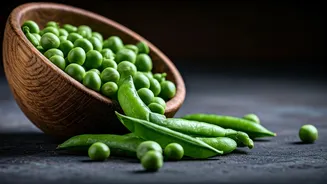
Upma is a timeless breakfast classic, cherished across India for its simplicity and comforting taste. The basic recipe involves dry-roasting the sooji to enhance its flavor, followed by tempering with mustard seeds, curry leaves, and other spices. Vegetables like onions, carrots, and peas are added to boost the nutritional value and provide texture. The sooji is then cooked in water or broth, allowing it to absorb the flavors of the spices and vegetables. This creates a soft, porridge-like consistency, making it easy to digest and satisfying to eat. Upma is often served hot with a side of coconut chutney or a squeeze of lemon juice, adding freshness and zest. There are countless variations of upma, each reflecting regional preferences and available ingredients. The beauty of upma lies in its adaptability, as it can be easily customized to suit individual tastes and dietary needs.
Sweet Sooji Halwa
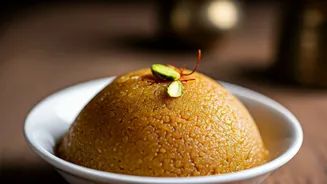
Sooji halwa is a sweet treat that is perfect for any time of the day. The preparation begins by roasting sooji in ghee until it turns golden brown and emits a nutty aroma. Sugar is then added, along with water or milk, and the mixture is simmered until the sooji absorbs the liquid and thickens. Cardamom, saffron, and nuts like cashews and almonds are often added for flavor and texture. This creates a rich, decadent dessert that is often served warm. The halwa's soft, pudding-like consistency and the fragrant combination of spices and ghee make it an irresistible indulgence. Halwa is a traditional dessert often prepared during festivals and special occasions, and it symbolizes prosperity and good fortune. Its simplicity in ingredients and preparation belies the depth of flavor and satisfaction it brings.
Sooji Uttapam Variations
Uttapam, traditionally made from fermented rice and lentil batter, can also be creatively adapted using sooji. The sooji version provides a quick and easy alternative without the fermentation time. The batter is made by mixing sooji with yogurt or buttermilk and spices like green chilies and ginger. This batter is then poured onto a hot griddle and cooked like a pancake. Toppings such as onions, tomatoes, and cilantro are often added while the uttapam cooks, embedding them into the soft base. The uttapam is flipped to cook the other side, achieving a golden-brown crust. Sooji uttapam offers a lighter, less dense alternative to the traditional version. They are often served with sambar and chutney, making for a delicious and nutritious breakfast. It is a quick and satisfying meal that can be customized with various toppings and spices to cater to individual preferences.
Sooji Idli Innovation
Idli, another South Indian breakfast staple, can be ingeniously crafted with sooji, providing a shortcut to the fermentation process. The process involves mixing sooji with yogurt or buttermilk to create a batter. Seasoning with spices like salt and ginger is commonly added to enhance the flavors. The batter is then steamed in idli molds, resulting in soft, fluffy cakes that are similar to traditional idli. Sooji idli is a good option for those seeking a quick, and easy alternative to traditional idli. It’s also suitable for those who prefer to avoid the extended fermentation process. Often served with sambar and chutney, sooji idli maintains the beloved flavors and textures of the original, making it a convenient choice without sacrificing the authenticity of a classic breakfast dish.
Sooji Dosa Delight
Dosa, typically made from fermented rice and lentil batter, can also be prepared using sooji for a quicker, alternative version. Sooji is combined with water and spices to form a thin batter. This batter is then poured onto a hot griddle and spread thinly to create crispy crepes. The dosa is cooked until it turns golden brown and slightly crisp. Variations can include adding finely chopped vegetables to the batter. Sooji dosa provides a convenient and faster alternative for busy mornings, while still offering the delightful crispiness and flavor of a dosa. It is typically served with sambar and chutney, providing a complete and delicious breakfast. This is a testament to the adaptability of sooji, transforming a beloved dish into a quick yet equally satisfying version.
Sooji Kheer Creation
Sooji kheer is a delightful Indian dessert that seamlessly transitions into a breakfast option. It involves cooking sooji with milk, sugar, and aromatic spices like cardamom. The mixture is simmered until the sooji softens and the kheer thickens. Nuts like cashews and almonds are often added for added texture and richness. Sooji kheer can be served warm or cold, making it a versatile treat for any season. The creamy texture, coupled with the subtle sweetness and aromatic spices, provides a comforting and satisfying experience. It's a quick and simple dessert or breakfast item that satisfies sweet cravings. It's a fantastic option for those who enjoy a sweet start to their day, offering a blend of flavors and textures that is both comforting and enjoyable.
Sooji Pancake Pizzazz
Sooji pancakes offer a playful twist on the traditional pancake, with sooji lending a unique texture and flavor. The process involves mixing sooji with yogurt, baking powder, and sugar to create a batter. These pancakes are cooked on a hot griddle until they turn golden brown. Sweet versions can be drizzled with honey or maple syrup and topped with fruits. Savory variations can incorporate vegetables and spices into the batter, offering a well-rounded breakfast option. Sooji pancakes present a creative approach to breakfast, allowing for a personalized approach to both flavor and texture. Their versatility allows you to modify the flavors to fit your personal preferences, offering a refreshing alternative to traditional pancakes.
Sooji Rava Poha
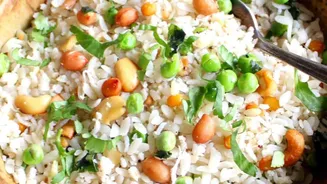
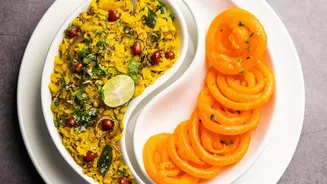
Sooji rava poha combines the simplicity of poha with the unique texture of sooji, offering a quick and satisfying breakfast. Sooji is first tempered with mustard seeds, onions, and curry leaves. Then, it's mixed with water and spices. The sooji is cooked until it softens, and a light and flavorful dish emerges. The dish is often garnished with coriander leaves and a squeeze of lemon juice for added freshness. Sooji rava poha is a delightful and light alternative to the traditional poha, ideal for those seeking a quick and easy breakfast. It combines the familiar flavors of poha with the unique texture of sooji, creating a delicious and satisfying breakfast option that can be prepared in minutes.
Savory Sooji Toast
Savory sooji toast offers an innovative breakfast option with a delightful combination of flavors. The sooji is mixed with spices, herbs, and vegetables. This mixture is then spread on bread slices and toasted until golden brown and crispy. This creates a quick and satisfying breakfast with a unique texture and flavor profile. Savory sooji toast is a good option for those seeking a quick, customizable, and enjoyable breakfast. It blends the familiarity of toast with the interesting texture and taste of sooji, offering a creative start to your day. This versatile dish allows you to adapt it to your taste, making it an excellent option for a fast, delicious, and personalized breakfast.