






Voter Deletion Rationale
The Chief Electoral Officer (CEO) of West Bengal, Manoj Kumar Agarwal, has publicly stated his support for the Special Intensive Revision (SIR) process
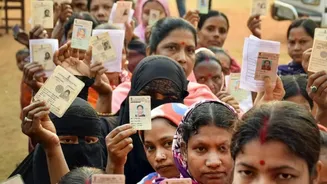
that resulted in the deletion of 58 lakh voters. He clarified that these removals were not arbitrary but based on systematic enumeration and verification. The deletions occurred in cases where individuals were confirmed as deceased, had relocated, were duplicates, or could not be found during the enumeration exercise, leading to a reduction in the state's voter count from 7.66 crore to 7.08 crore. Agarwal emphasized his role as a supervisor of this process, asserting that he performed his duties with complete impartiality. He clarified that as per electoral law, the CEO does not have the authority to individually add or remove names; their primary function is oversight and monitoring. He further elaborated that approximately five lakh votes were removed by Election Registration Officers, with the remaining cases proceeding to judicial authorities. A total of 60 lakh cases were processed, and 27 lakh were ultimately rejected, with appeals still pending.
Officer Transfers and Security
Regarding the recent transfers of senior state officials, CEO Agarwal explained that the Election Commission had been proposing these changes for approximately six months, but the state government's responses were unsatisfactory. Consent for these transfers was only received shortly before the election notification, with some officials assuming their new roles after the announcement. Agarwal stated that the final decision rested with the Commission and believed it presented an opportunity for officers who hadn't held significant positions like District Magistrates previously. He also addressed the deputation of IPS officers outside the state, noting there are no restrictions on officers serving as observers from different cadres. The CEO assured that every possible effort is being made to ensure a violence-free electoral process in West Bengal. This includes appointing an observer for each of the 294 constituencies and deploying 84 police observers. He urged citizens to cast their votes without apprehension. Agarwal reported a significant reduction in campaign-related violence, with injuries down by 80% and no reported deaths. He detailed a strict monitoring system and accountability measures, stating that all officers, from station in-charges to senior officials, have clearly defined duties and will be held responsible for any failures. The Malda incident, where judicial officers were surrounded, was characterized as a law-and-order issue unrelated to the elections, with arrests already made.
Polling Booth Preparations
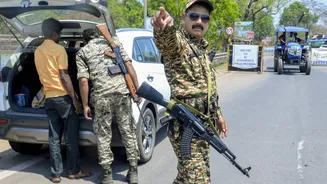
In an effort to enhance transparency and security within polling stations, special measures are being implemented for the upcoming elections. In select cases, two cameras will be installed in each booth to provide a comprehensive 360-degree view of the internal proceedings. Security personnel stationed at the entrance of each polling station will be tasked with monitoring activities inside the booth and will receive specific training on identifying and addressing any potential irregularities that could disrupt the election process. These personnel are obligated to report any observed issues to their superiors, including sector officers and their direct supervisors, empowering them to intervene appropriately. Furthermore, Central Armed Police Forces (CAPF) will be deployed to polling stations a full day in advance. These forces will assume complete control of the premises and will bear 100% responsibility for the safety of polling staff and the security of webcasting equipment. Their jurisdiction will extend fully within the boundaries of the polling booth, ensuring a secure environment for voters and election officials alike.