



Geographic Significance
The Strait of Hormuz, situated between the Gulf of Oman and the Persian Gulf, is a narrow sea lane that serves as the only maritime passage to the open
ocean for several countries in the Middle East. Nations like Saudi Arabia, Iran, Iraq, Kuwait, Qatar, and the United Arab Emirates rely heavily on this strait for exporting their oil. Its strategic position makes it a vital link in the global energy supply chain. Its narrowness and the geopolitical context of the region render it vulnerable to disruptions, with potential consequences rippling across the globe. Any obstruction to the flow of oil through the Strait can cause severe spikes in global oil prices and jeopardize the energy security of many countries. This has elevated the strait's importance into a focal point of international concern and strategic planning, as governments and industries look for ways to safeguard this vital artery.
Oil Transportation Hub
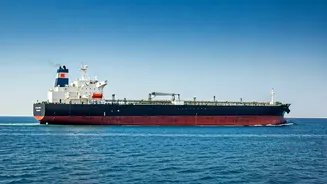
The Strait of Hormuz is essential for the transportation of crude oil, with around a fifth of the world's oil passing through it daily. This equates to approximately 17 million barrels of oil moving through this strait each day, making it the most important oil chokepoint globally. This considerable volume underscores the strait's critical role in meeting global energy demands. Any disruption in this area can seriously affect the supply of oil to the world market, which could lead to increases in prices. Moreover, it is not just crude oil that passes through the strait, as significant volumes of refined petroleum products also get transported. The strait's function is very important to countries all over the world, emphasizing its importance in the global economic landscape.
Threats and Risks
The Strait of Hormuz is subject to a variety of threats that can endanger global energy security. Its strategic importance makes it a target for geopolitical tensions and potential conflicts. Military actions, incidents involving ships, and other kinds of conflicts in the region can lead to the interruption of oil flows. The narrowness of the strait and the fact that it has a lot of traffic mean that accidents, such as collisions and spills, are always a possibility, with consequences to the environment and the supply chain. Furthermore, the presence of various armed groups and the potential for attacks on oil tankers pose a constant threat. These risks highlight the vulnerability of global energy supplies and the need for continuous vigilance and proactive strategies to protect this vital sea lane.
Global Impact
The significance of the Strait of Hormuz extends far beyond the Middle East. It affects global energy markets and has wide-ranging geopolitical implications. Any event that restricts or shuts down the flow of oil through the strait can lead to price increases, affecting energy-importing countries and affecting the world economy. Beyond that, disruptions can cause energy shortages, leading to economic and political instability. Countries that depend on oil imports must focus on mitigating potential vulnerabilities. International cooperation is required to maintain the free flow of traffic, ensuring stability. The safety of the Strait of Hormuz is a shared responsibility, and it's essential for maintaining global peace and prosperity.