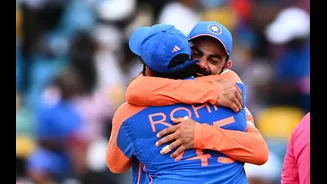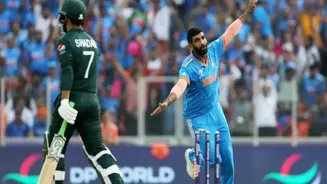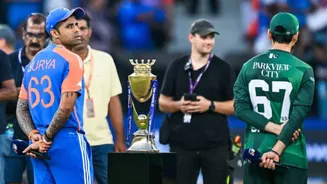





The Boycott Decision
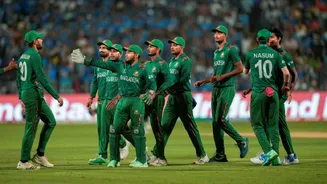
Pakistan's decision to boycott their T20 World Cup match against India has been attributed to ongoing political tensions. Despite this, Pakistan will continue
participating in the tournament. However, this has the PCB likely incurring substantial financial losses.
Political Undercurrents
The boycott is perceived as a direct result of the existing political strain between Pakistan and India, which has historical roots. Reactions from political figures emphasize how sports can be greatly affected by international relations.
Financial Ramifications
The decision carries a substantial financial burden for the PCB, estimated at approximately INR 2300 crore. These losses encompass lost revenue from broadcasting rights, ticket sales, and sponsorships, thus creating financial strain.
Tournament Participation
Despite boycotting the match against India, Pakistan confirms their continued participation and travel to Sri Lanka for the T20 World Cup. This strategic move balances political statements and the desire to remain competitive.
Impact and Future
The boycott calls into question the future of cricket matches between the two nations and the involvement of political tensions. The event also calls for the reevaluation of current policies and effective solutions for resolving future issues.