



Khichdi's Festive Presence
Khichdi is a staple dish during Makar Sankranti, and its variations across different regions are fascinating. In many parts of India, Khichdi is made with
rice, lentils, and vegetables, often tempered with ghee and spices. It is considered auspicious because of its simplicity and the symbolism it carries of abundance and good health. The dish's easy digestibility makes it suitable for all age groups, a practical choice for a day filled with festive activities. The preparation can vary, with some adding specific ingredients like ginger, garlic, or even seasonal vegetables, providing a unique regional touch to this universally loved dish. The inclusion of ingredients like sesame seeds and jaggery in the Khichdi further elevates its nutritional value and festive significance.
Til Ladoos' Sweetness
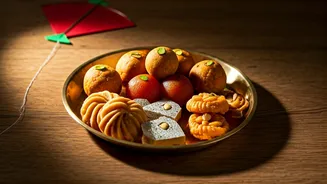
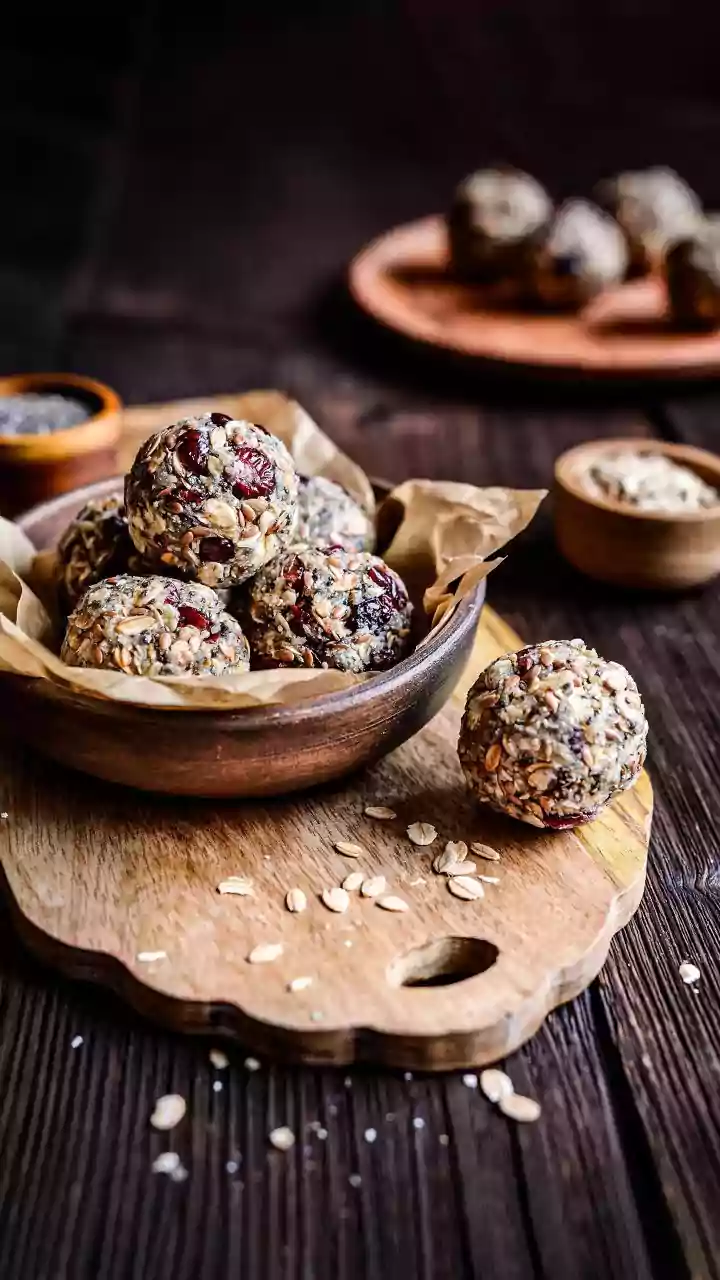
Til Ladoos, or sesame seed balls, are a quintessential Makar Sankranti treat. These round, bite-sized sweets are made with sesame seeds and jaggery, symbolizing the sweetness and warmth of the sun. The process typically involves dry roasting the sesame seeds to bring out their nutty flavor before they are combined with melted jaggery and formed into balls. Sesame seeds are believed to have health benefits, and combined with jaggery, they offer a good source of energy. Different regions might add variations, such as using different types of jaggery or adding other nuts like peanuts or almonds for enhanced taste and texture. Making Til Ladoos is often a family activity, strengthening bonds and creating fond memories.
Gajak's Crispy Crunch
Gajak, a crunchy sweet made from sesame seeds and jaggery, adds a delightful texture contrast to the Makar Sankranti spread. The preparation involves creating a thin, brittle sheet by mixing sesame seeds and jaggery and then allowing it to cool and harden. Gajak offers a satisfying crunch and a rich, sweet taste. Similar to Til Ladoos, Gajak is popular due to the beneficial properties of sesame seeds and jaggery, believed to provide warmth during winter. It's not just a treat; it's a symbolic offering associated with good health and the abundance of the harvest season. The variations can include different nuts like peanuts or other seeds, enhancing the flavors and nutritional value, making Gajak a beloved snack across India during Sankranti.
Undhiyu's Mixed Vegetables
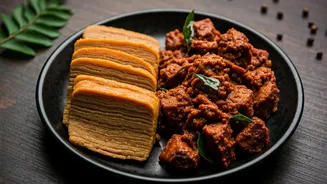
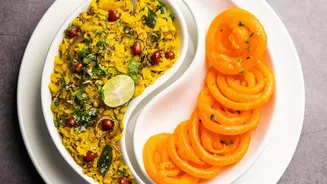
Undhiyu is a unique Gujarati dish, especially popular during Makar Sankranti. It's a mixed vegetable casserole cooked upside down in earthen pots, giving it its name 'undhiyu,' which translates to 'upside down.' The dish includes various seasonal vegetables, like eggplants, potatoes, beans, and more, cooked with aromatic spices and herbs. The traditional method of cooking, where the pot is sealed and placed in an open fire, infuses the vegetables with a smoky flavor. Undhiyu is often served with hot puris and jalebis, representing the spirit of community and sharing. The preparation is a labor of love, representing the joy of gathering and celebrating the harvest's bounty with friends and family.
Peanut Chikki's Simplicity
Peanut Chikki is a simple yet satisfying sweet made from peanuts and jaggery. This crunchy treat is a common offering during Makar Sankranti and is easily prepared by mixing roasted peanuts with melted jaggery and allowing it to cool. The preparation typically involves spreading the mixture thinly and cutting it into squares or bars. Chikki is a great source of protein and energy, combining the health benefits of peanuts with the sweetness of jaggery. It's a popular choice for all ages and a convenient snack to enjoy during the festivities. Peanut Chikki embodies the spirit of Makar Sankranti – simple, nourishing, and filled with joy.
Gur ki Roti's Warmth
Gur ki Roti, a flatbread sweetened with jaggery, is another comfort food enjoyed during Makar Sankranti. This roti is prepared with whole wheat flour and a filling made of grated jaggery, often combined with spices like cardamom or fennel. The sweet roti is cooked on a griddle, sometimes with a touch of ghee, giving it a soft interior and a slightly crisp exterior. Gur ki Roti provides warmth and energy, making it an ideal choice for the cold weather. It’s often served with ghee or a dollop of fresh cream, adding richness to the flavor. The dish represents the comforting aspects of the harvest season and is often prepared and shared among families as a symbol of togetherness.
Pongal's Rice Delight
Pongal, a rice-based dish, holds a significant place in South Indian celebrations, especially during the harvest festival of Pongal, which coincides with Makar Sankranti. The dish is cooked with rice, lentils, and milk or water, seasoned with spices like ginger, cardamom, and cashews. Pongal is cooked in an earthen pot over an open fire, a ritualistic act of offering thanks to the sun god. The traditional method and the ingredients used contribute to a sense of community and spirituality. Pongal is often served with sambar and chutney, representing the abundance and prosperity of the harvest season, and is a staple in various South Indian homes.
Puran Poli's Sweet Bread
Puran Poli is a sweet flatbread popular in Maharashtra and Gujarat and is also a delicious treat for Makar Sankranti. It features a sweet filling made of cooked chana dal (split chickpeas), jaggery, and spices like cardamom and nutmeg. The filling is wrapped in a soft dough and then cooked on a griddle with ghee. The warmth of the spices and the sweetness of the jaggery combine for a unique, satisfying flavor. Puran Poli represents the spirit of sharing and enjoying the festivities. It is often served with ghee or a dollop of fresh cream, adding to the richness and making it a beloved dish for Makar Sankranti celebrations across the region.
Murukku's Crispy Snack
Murukku, a savory, crunchy snack, is a popular offering in South India, and is often enjoyed during Makar Sankranti. These spiral-shaped snacks are made from rice flour and urad dal (black gram), seasoned with spices and deep-fried. The intricate shapes and the satisfying crunch make murukku a delightful treat. Murukku is a festive treat enjoyed as a snack or side dish, and its preparation often involves the whole family. The crispy texture and the savory flavor complement the other sweets and dishes. Murukku's enduring popularity makes it a versatile element in the Makar Sankranti spread, embodying the celebration's spirit.
Dahi Chuda's Refreshment
Dahi Chura is a simple yet refreshing dish, a beloved part of the Makar Sankranti celebrations, particularly in Bihar and parts of Uttar Pradesh. The dish consists of flattened rice (chuda or poha) soaked in curd (dahi) and often mixed with jaggery and sometimes nuts or fruits. Dahi Chura offers a cooling contrast to the other rich and sweet dishes consumed during the festival, and it is a delightful treat. The simplicity and the ease of making this dish make it a popular choice. It's a symbol of community and togetherness, enjoyed by all age groups and is the perfect balance to the rich, celebratory foods of Makar Sankranti.