
FTA's Global Significance
The India-EU Free Trade Agreement (FTA) is not just a bilateral agreement; it's a major event on the global economic stage. The deal's significance is highlighted
by its sheer scale, as the combined economic output of the involved parties accounts for a substantial 25% of the world's Gross Domestic Product (GDP). This vast percentage underscores the potential for far-reaching impacts on international trade dynamics and economic cooperation. Such a significant agreement signals a shift in the global trade landscape, with the potential to influence policies, investments, and the flow of goods and services between regions. Furthermore, the FTA's broad scope suggests the agreement is designed to address a variety of trade barriers and foster more integrated economic partnerships, reinforcing the interconnectedness of economies worldwide. The potential implications of the FTA span from stimulating economic growth and job creation to setting new standards for trade and investment, creating ripple effects across numerous sectors and economies.
PM Modi's Perspective
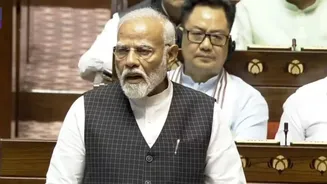
Prime Minister Modi's perspective on the India-EU FTA is particularly relevant, especially considering his statements hailing the agreement as the "mother of all deals." This phrase is not just a casual comment; it underscores the ambition and the wide-ranging implications of the agreement. The Prime Minister's enthusiasm and strategic view suggest that the FTA is more than just a trade agreement; it's a transformative step designed to significantly boost trade relations between India and the EU. By characterizing the deal as the "mother of all deals," Modi is likely emphasizing the potential for the agreement to act as a catalyst for deeper economic integration, increased investment, and broader collaboration across various sectors. The Prime Minister's vision may also extend to fostering stronger political ties and strategic partnerships, thus reinforcing the significance of the FTA within a larger framework of global relations. Such a strong endorsement and perspective from the Indian leader highlight the pivotal role the FTA is expected to play in driving India's economic growth and strengthening its standing in the global economy.
Key Deal Aspects
While details of the India-EU FTA are still unfolding, it is essential to look at the core aspects of the deal. The agreement is likely designed to target multiple areas for trade and investment, focusing on reducing tariffs, simplifying regulatory processes, and opening new avenues for cooperation. One of the central pillars of the agreement will likely involve the reduction or elimination of tariffs on a vast array of goods, thereby making trade more affordable and facilitating the movement of products between India and the EU. Simultaneously, the FTA is anticipated to deal with non-tariff barriers, like cumbersome customs procedures and different standards, to further streamline trade operations and cut down on unnecessary complexities. Investment is also a key area of emphasis within the agreement, with expectations of provisions that safeguard investments, encourage capital flows, and promote a business-friendly environment for both parties. In addition to these core elements, the FTA is also expected to have chapters addressing intellectual property rights, sustainable development, and other crucial areas for comprehensive and forward-looking economic cooperation. The ongoing updates about the FTA provide information about the finer points of the agreement, highlighting its ambition to deliver tangible benefits and stimulate economic growth for India and the EU.
Benefits for India
The India-EU FTA offers many potential benefits for India's economy, as it is designed to spur economic growth and development. One of the most significant advantages for India involves expanded market access for its goods and services across the EU. This means greater opportunities for Indian exporters to reach a huge consumer base and tap into new revenue streams, especially in sectors where India holds a competitive advantage. Additionally, the FTA could attract more foreign direct investment (FDI) into India, as the agreement enhances the attractiveness of the Indian market and builds a sense of confidence among international investors. The infusion of FDI, in turn, can catalyze technology transfers, spur innovation, and create new employment opportunities within the country. The agreement also provides a framework for India to streamline its regulatory environment and embrace best practices in areas such as trade facilitation and intellectual property rights protection. This streamlining not only supports better trade operations but also strengthens the overall competitiveness of the Indian economy. The FTA may support India's objective to integrate further into the global value chain, positioning the country to take advantage of new trade opportunities and strengthen its position in the world.
Future Implications
The long-term effects of the India-EU FTA will be felt in various aspects of the economy and beyond. The deal may pave the way for a more robust and sustainable economic partnership between India and the EU. The agreement is poised to not only boost trade and investment but also foster deeper collaboration in areas such as technology, innovation, and sustainable development. These collaborative efforts can lead to the exchange of knowledge, the development of joint projects, and the creation of innovative solutions to tackle global challenges. Furthermore, the FTA could strengthen India's strategic ties with the EU, allowing for a better dialogue and understanding on global issues such as climate change, human rights, and security. The agreement may set a precedent for other free trade agreements in the region and beyond, paving the way for further economic integration and cooperation. As the implementation of the FTA moves forward, it will be vital to monitor its results and make adjustments as needed. This approach will ensure that the deal continues to benefit the citizens of both India and the EU and strengthen the global economy for generations.