







E-Passports Explained
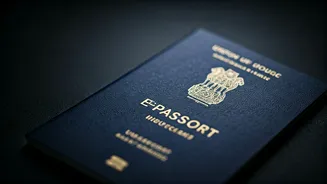
E-passports, or biometric passports, represent a considerable advancement in travel documentation. They integrate an embedded microchip containing the
holder's personal information, including a digitized photograph, and other biometric data like fingerprints. This chip is securely stored within the passport, usually in the cover or on an inner page. The introduction of this technology is primarily aimed at enhancing security and streamlining border control procedures. By storing data electronically, it becomes easier to verify the identity of the passport holder, thereby reducing the chances of fraud and identity theft. This innovation is a global trend, with many countries adopting e-passports to modernize their travel infrastructure and comply with international security standards set by organizations like the International Civil Aviation Organization (ICAO).
Enhanced Security Features
One of the major benefits of e-passports is their enhanced security. The embedded chip uses cryptographic techniques to safeguard the data, making it exceedingly difficult to duplicate or tamper with the information stored. Additionally, the biometric data adds an extra layer of verification. When a traveler presents an e-passport at a border control point, the authorities can scan the chip to verify the holder's identity against the information stored. This process helps to quickly detect any inconsistencies or discrepancies, immediately identifying potential security threats. Furthermore, e-passports are designed to comply with international standards, ensuring compatibility across different countries and facilitating smoother cross-border travel. This standardized approach contributes significantly to the overall security of international travel and enhances the efficiency of border control processes worldwide.
Faster Border Clearance
E-passports significantly improve border clearance times for travelers. With biometric scanning technology, border control officers can quickly and accurately verify an individual's identity. This reduces the need for manual checks, which can be time-consuming, particularly in busy airports. The efficiency of e-passports is further increased through the use of automated gates or kiosks, which allow for self-service processing. These systems can read the information from the chip and compare it to the biometric data, such as a facial scan, confirming the identity of the passport holder without any direct interaction with a border control officer. This results in faster processing times, reducing wait times and making international travel a much more efficient experience for everyone. The implementation of e-passports plays a crucial role in modernizing border control systems, increasing their efficiency, and improving the overall travel experience.
Future of Indian Travel
As e-passports become increasingly common, they will likely influence the future of travel for Indian citizens. The wider adoption of this technology could lead to the further streamlining of border control procedures at international airports and other points of entry and exit. The government's continued investment in the technology and related infrastructure suggests a commitment to improving the travel experience for its citizens. Additionally, the increased security of e-passports could make international travel more accessible and less complicated, fostering greater global connections. The integration of e-passports with other technologies, such as mobile apps and online services, is expected to enhance the convenience of travel. The shift towards e-passports indicates a move toward more secure, efficient, and user-friendly international travel for Indian passport holders.