






A Night of Tragedy
The devastating train accident unfolded near Adamuz, approximately 20 kilometers from Cordoba, around 19:45 local time (1845 GMT). The collision involved
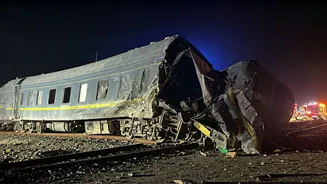
a train traveling from Malaga to Madrid carrying 317 passengers and another high-speed train heading from Madrid to Huelva. The impact was severe, with the last two wagons of the Malaga-Madrid train derailing and colliding with the first two carriages of the other train. The Spanish Transport Minister, Oscar Puente, described the event as 'really strange'. Initial reports indicated a death toll of at least 39, with 152 individuals injured, 30 of whom were in serious condition and required hospitalization. The incident prompted a swift response from emergency services in the Andalusia region, while residents assisted in providing first aid to passengers with minor injuries at a nearby sports center. Rescue operations continued into the night, as officials warned the death toll might rise.
Witness Accounts Emerge
Eyewitness accounts painted a picture of chaos and terror. Some witnesses described the impact as feeling like an earthquake, while others reported smoke filling the carriages. Passengers, in a desperate attempt to escape the wreckage, were seen breaking windows. Social media platforms were flooded with images and videos showing the extent of the damage. Multiple carriages were severely damaged, some derailed and overturned, revealing the immense force of the collision. The Spanish Prime Minister, Pedro Sanchez, expressed his deep condolences on Monday, reflecting the nation's collective grief. The Royal Family also conveyed their sympathies to the families of the victims, underscoring the gravity of the situation and the widespread impact of the tragedy. The disaster served as a stark reminder of the fragility of life and the devastating consequences of accidents.
Investigation Underway
Authorities immediately launched an investigation into the cause of the collision. Spanish Transport Minister Oscar Puente, in a press conference, termed the accident 'really strange', suggesting the complexity of the circumstances. The reasons for the derailment remained unknown as investigations commenced, aiming to uncover the factors that led to this catastrophic event. The focus of the investigation included examining the train's speed, track conditions, signaling systems, and any potential mechanical failures. Experts will analyze the black boxes and analyze the wreckage to determine the sequence of events. The investigation's findings will be crucial in determining accountability and preventing similar incidents in the future. The nation anxiously awaits the findings of the investigation, hoping for answers and a path toward ensuring the safety of railway transportation.
Impact and Response
The tragedy had a profound impact on the nation. The government and various organizations mobilized to provide aid and support to the affected individuals and their families. Emergency services worked tirelessly to rescue survivors, and hospitals were overwhelmed with injured passengers. The incident also sparked conversations about railway safety and the need for stricter protocols and inspections. The accident triggered an outpouring of grief and solidarity from across Spain and beyond. The public reacted with expressions of sympathy, support, and calls for a thorough investigation. The disaster served as a stark reminder of the importance of prioritizing safety in public transportation. The government and the rail authorities will likely face significant pressure to implement necessary changes and improve safety measures.