


Aerial Confrontation
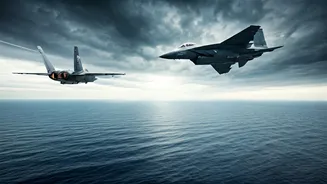
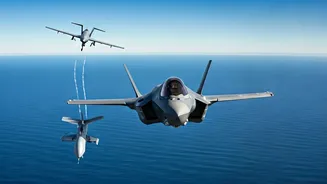
A tense situation unfolded in the Arabian Sea when a United States F-35 fighter jet was compelled to neutralize an Iranian drone. This unmanned aircraft,
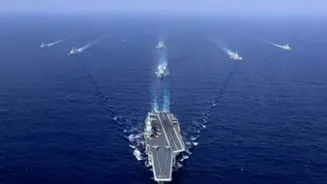
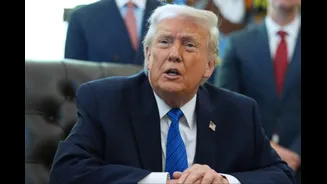
identified as a Shahed-139, had ventured too close to the US Navy's aircraft carrier, the USS Abraham Lincoln. According to Captain Tim Hawkins of the US Central Command, the drone exhibited aggressive maneuvering, posing a direct threat to the carrier and its personnel. In an act of self-defense, the F-35C fighter, operating from the Abraham Lincoln, engaged and downed the drone. Thankfully, no American service members sustained injuries, nor was any US equipment damaged during this close encounter. The incident occurred against a backdrop of ongoing diplomatic discussions aimed at resuming nuclear talks between Iran and the United States, while President Donald Trump had issued a stern warning about potential repercussions if a deal was not reached, especially with US warships positioned near Iran.
Broader Regional Dynamics
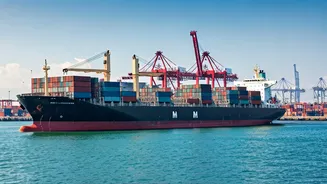
This aerial incident is part of a larger pattern of escalating tensions in the Middle East, significantly influenced by Iran's domestic situation and its regional actions. The deployment of the Abraham Lincoln carrier strike group represents a substantial increase in US military presence in the region. This buildup was notably prompted by Iran's severe crackdown on anti-government protests, which resulted in the deadliest unrest since the 1979 revolution. While President Trump initially refrained from direct military intervention in the crackdown, he has since pivoted to demanding nuclear concessions from Tehran. His administration has strategically positioned warships along Iran's coastline, using them as leverage in these negotiations. Recent statements from President Trump indicated that Iran was engaging in serious discussions, a sentiment echoed by Iranian official Ali Larijani, who confirmed that arrangements for negotiations were indeed underway. However, the confrontation with the drone was not an isolated event; it followed closely on the heels of Iran's Revolutionary Guard harassing a US-flagged merchant vessel, the M/V Stena Imperative, in the Strait of Hormuz. Iranian boats and a drone reportedly threatened to board and seize the ship, further amplifying the volatility.
Diplomatic Push
The US military's decision to down the Iranian drone was confirmed by White House Press Secretary Karoline Leavitt, who emphasized that the action was taken by CENTCOM due to the drone's unmanned nature and its aggressive posture towards the USS Lincoln. Leavitt reiterated President Trump's commitment to pursuing diplomatic solutions as a primary course of action. However, she stressed the reciprocal nature of diplomacy, noting that 'in order for diplomacy to work, of course, it takes two.' This underscores the administration's stance that while peace efforts are prioritized, they require genuine engagement and effort from all parties involved. The background of heightened tensions, marked by stalled nuclear talks and Iran's assertive regional maneuvers, created a precarious environment. The US military buildup was intended to act as a deterrent against Iranian provocations, particularly during a period of fragile diplomatic progress. Despite the underlying efforts to de-escalate through negotiation, both nations found themselves engaged in direct confrontations, highlighting the complex and sensitive geopolitical landscape in the region.