
Global News Overview
The global landscape is a complex tapestry of interconnected events. News from international sources highlights crucial shifts in politics, economics,
and social dynamics. Several factors, including geopolitical tensions, economic disparities, and cultural exchanges, play a significant role in influencing the flow of news. Understanding the context of global affairs helps one comprehend the interconnectedness of nations and the impact of world events. International coverage often emphasizes conflicts, diplomatic negotiations, and the rise and fall of different political ideologies. Furthermore, the media's role in shaping public opinion and its influence on international relations is another area of focus. It is imperative to critically evaluate sources and information presented to form informed opinions about the world's happenings. The continuous cycle of global events demonstrates the ongoing changes and the need for vigilance and knowledge to remain well-informed about the world.
Political Developments Worldwide
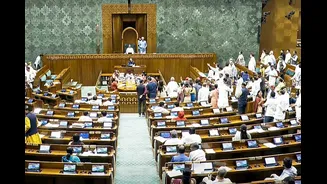
Political developments across the globe are constantly reshaping the structure of nations and the lives of citizens. Elections, regime changes, and policy implementations have enormous impacts on international relations, economic stability, and human rights. For instance, elections may result in shifts in power, impacting the direction of a country's foreign policy and domestic agendas. Diplomatic relations are frequently altered by new government leaders, leading to alliances or disagreements between nations. Moreover, the enactment of new policies such as trade agreements or environmental regulations can have both local and global consequences. It is essential to monitor these political events, as they have direct and indirect effects on global trade, societal structures, and international conflicts. The ever-changing nature of the political landscape requires consistent analysis to understand the effects these changes will have.
Social Issues Globally
Social issues around the world highlight critical aspects of human existence and societal well-being. These issues encompass a broad range of concerns, from inequality and poverty to human rights and environmental sustainability. For example, the economic disparities that exist globally impact access to resources like education, healthcare, and equal opportunities. Discussions on human rights frequently cover topics such as freedom of speech, fair justice systems, and the protection of vulnerable groups, and they remain central to human societal structure. Furthermore, environmental degradation and climate change are issues impacting every nation. The effects of these social issues are far-reaching. These challenges affect the overall health of nations and societies and prompt global conversations about solutions, international collaborations, and policy reforms.
Cultural Trends Examined
Cultural trends worldwide reflect the diversity and dynamism of human expression. These trends encompass various aspects, including art, music, fashion, and evolving societal values. Art forms, such as painting, sculpture, and performance, function as a medium for cultural expression, mirroring the values and beliefs of a particular period or society. Music serves as a reflection of societal moods, providing a means of storytelling and emotional connection. Fashion trends showcase the influence of various cultures, and they have the potential to reflect changes in societal norms and individual identities. Understanding cultural shifts helps people to better comprehend the world and its people. The study of trends aids in identifying areas of commonality and difference. Furthermore, the increasing global integration means that cultural trends are more frequently shared across countries, which leads to cultural exchange and the evolution of global aesthetics.
Economic Insights
Economic insights into the global arena reveal the intricate dance of trade, finance, and development. Worldwide economic conditions are complex, impacted by elements such as trade imbalances, the effects of globalization, and economic policies. Trade agreements and tariffs greatly influence how goods and services flow across borders. Globalization affects the economies of both developed and developing countries by fostering trade as well as introducing challenges related to labor conditions and environmental sustainability. Economic policies and decisions made by national and international institutions have a significant effect on economic activity, impacting employment levels, inflation, and investment patterns. A deep knowledge of the interplay of global economics allows us to evaluate the opportunities and risks presented by globalization, assess the performance of nations, and prepare for future economic shifts. The economic well-being of the world is largely dependent on the decisions of international institutions, trade relations, and policy adjustments.
The Role of Media
The role of media in shaping global understanding cannot be overstated. Media outlets, including print, broadcast, and online platforms, are important gateways for information, influencing public perception and international relations. Media outlets have the power to mold narratives, highlighting particular events, viewpoints, and actors in world affairs. The selection of topics and perspectives offered by media outlets heavily affects how the public understands global events and the issues they address. Bias, agenda-setting, and sensationalism can manipulate the information people receive, which subsequently influences public opinion. Moreover, media platforms have grown to play key roles in shaping relationships between nations. The ability of the media to both inform and potentially mislead underscores the importance of media literacy, critical evaluation, and a variety of credible sources. Only then can people form well-informed perspectives about world events and recognize the biases that may be present.