
City 1: Manila
Manila, the capital of the Philippines, claims the unfortunate distinction of having some of the longest commute times in Asia. The city's congested roads
and inadequate public transport infrastructure contribute significantly to the problem. Residents often spend a substantial portion of their day navigating through traffic, leading to lost productivity and increased stress levels. Many factors are at play here, including population density and the rapid increase in car ownership, which has outpaced infrastructure development. Addressing Manila's commute woes will necessitate significant investments in public transportation, including expanding the existing railway network and improving the efficiency of bus services. Furthermore, there's a need to implement effective traffic management strategies to optimize the flow of vehicles and reduce congestion. The city’s authorities are also promoting the use of non-motorized transport like cycling through the provision of dedicated cycling lanes and other facilities.
City 2: Bangkok
Bangkok, a bustling hub known for its vibrant street life, also struggles with its share of traffic woes, resulting in lengthy commutes for its citizens. The city's road network often becomes gridlocked, especially during peak hours. The combination of private vehicles, public buses, and tuk-tuks creates a complex and often slow-moving traffic ecosystem. The development of the BTS Skytrain and MRT subway systems has certainly offered some relief to commuters, but the reach of the public transport remains limited. The city has undertaken initiatives to extend existing lines and introduce new ones to improve accessibility. The government has also explored strategies such as encouraging flexible work hours and promoting the use of public transport to minimize the impact of congestion. Another important thing is that, Bangkok is making efforts to develop more efficient traffic management systems.
City 3: Jakarta
Jakarta, the capital of Indonesia, faces a similar challenge with its notorious traffic congestion adding hours to daily commutes. The city’s growing population and the limited availability of public transportation contribute to this situation. Jakarta's extensive road network is often packed with vehicles, and the traffic builds up rapidly. The government has attempted to introduce solutions like the Bus Rapid Transit (BRT) system, TransJakarta, to offer a viable alternative to private vehicles, yet more is still required. To improve the commuting scenario, the authorities are working on the construction of the MRT and LRT systems and other public transportation facilities. Also, Jakarta is exploring advanced traffic management technologies and promoting carpooling and ride-sharing to ease congestion. Addressing the issue requires a comprehensive approach, including investments in infrastructure, improved traffic management, and the encouragement of sustainable transport options.
City 4: Mumbai
Mumbai, the financial hub of India, is notorious for its hectic pace of life, and this includes some truly lengthy commutes. The city's dense population and limited road space create a constant battle on the roads, especially during rush hour. The suburban railway network is a lifeline for many commuters but is often overcrowded, contributing to the delays. Mumbai’s local authorities are actively focusing on improving the public transportation system to give some relief to commuters. The expansion of the metro system and the introduction of new railway lines are crucial steps to handle congestion. The city is also working on optimizing the traffic flow by using smart traffic management systems. Furthermore, initiatives to develop a more integrated and efficient public transport network are underway.
City 5: Seoul
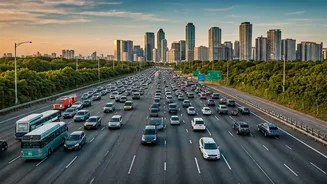
Seoul, a major metropolitan center in South Korea, also battles with commuter traffic. Despite a well-developed public transport system, including a comprehensive subway network and efficient bus services, traffic congestion remains a significant challenge. The sheer volume of vehicles on the roads, particularly during peak hours, leads to delays. Seoul is continuously making upgrades to its public transport infrastructure, including extensions of the subway lines and investment in smart traffic management systems. The city authorities are also promoting carpooling and alternative modes of transportation. Seoul’s strategies aim to boost the efficiency of public transit and lessen the impact of congestion.
City 6: Delhi
Delhi, the capital of India, endures significant challenges when it comes to commutes. The city’s crowded roads and the large number of vehicles contribute to traffic congestion, especially in central areas. The Delhi Metro offers a good alternative for travelers, but it still struggles to cover all areas, and is often crowded during peak hours. Delhi has focused on expanding its metro network to provide better connectivity across the city. The introduction of new expressways and flyovers is also aimed at reducing traffic congestion. The government is also promoting the use of public transport and encouraging strategies such as staggered work hours to manage the flow of traffic.
City 7: Shanghai
Shanghai, a global business center in China, presents its residents with a number of commuting challenges. Despite the presence of a well-developed public transportation system, heavy traffic can sometimes delay commuters. Factors contributing to the delays include population density, a large number of vehicles on the roads, and the rapid pace of urban development. Shanghai continuously invests in its public transport infrastructure, including metro expansion and enhancement of bus services, to minimize traffic difficulties. The city's smart traffic management systems are designed to monitor and regulate traffic flow. The city has also encouraged the use of alternative modes of transport, such as cycling, to boost sustainability and reduce congestion.
City 8: Ho Chi Minh City
Ho Chi Minh City, the bustling economic hub of Vietnam, has a reputation for its vibrant street life, but also for its traffic woes, which often translate into long commutes. The city’s narrow roads and high population density contribute to severe traffic congestion, particularly during rush hours. Motorcycles are a common mode of transport, and their numbers only add to the traffic. The city is working on improving public transportation options, including the development of a metro system and expansion of the bus network. Ho Chi Minh City also works on implementing effective traffic management and promoting the use of non-motorized transport. Efforts are also being made to improve road infrastructure and alleviate traffic.
City 9: Beijing
Beijing, the capital of China, faces significant challenges when it comes to daily commutes. The city experiences heavy traffic congestion, particularly during peak hours. Beijing has one of the most extensive public transportation networks in the world, including a massive subway system, but with the huge population, it is often crowded. Beijing continues to expand its subway system to improve transport connections across the city and invests heavily in managing traffic flow. The city is also encouraging the use of public transportation and promoting carpooling and other alternatives to reduce road congestion.
City 10: Kuala Lumpur
Kuala Lumpur, the capital of Malaysia, is also on the list of cities where commuters experience extended travel times. The city experiences traffic congestion, especially in the central areas. The high rate of car ownership and the reliance on private vehicles, coupled with the limited capacity of public transport during peak hours, contribute to this challenge. Kuala Lumpur is constantly working to improve public transportation by expanding its rail network and improving its bus services. The city is focusing on initiatives such as smart traffic management and promoting carpooling to reduce road congestion. The government also encourages the use of more sustainable forms of transport.