






Dreamliner's Grounding
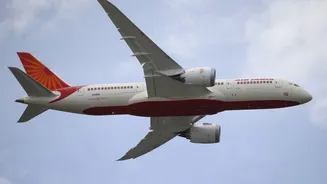
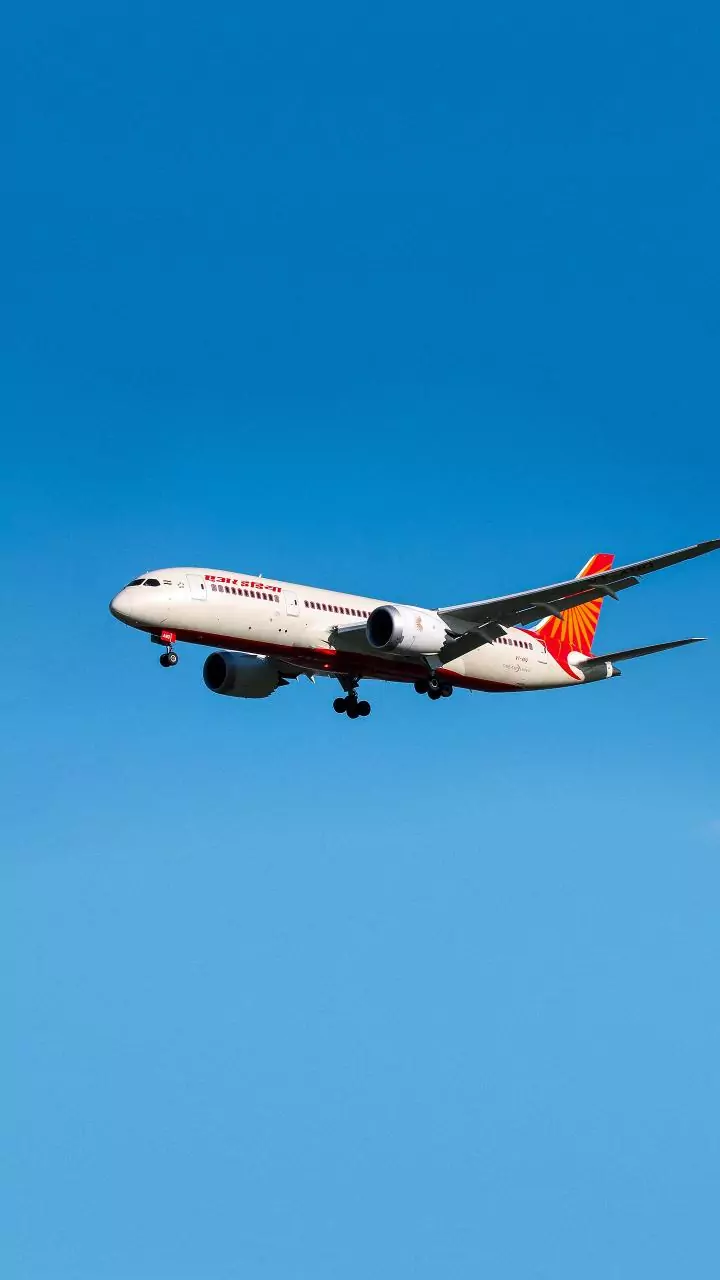
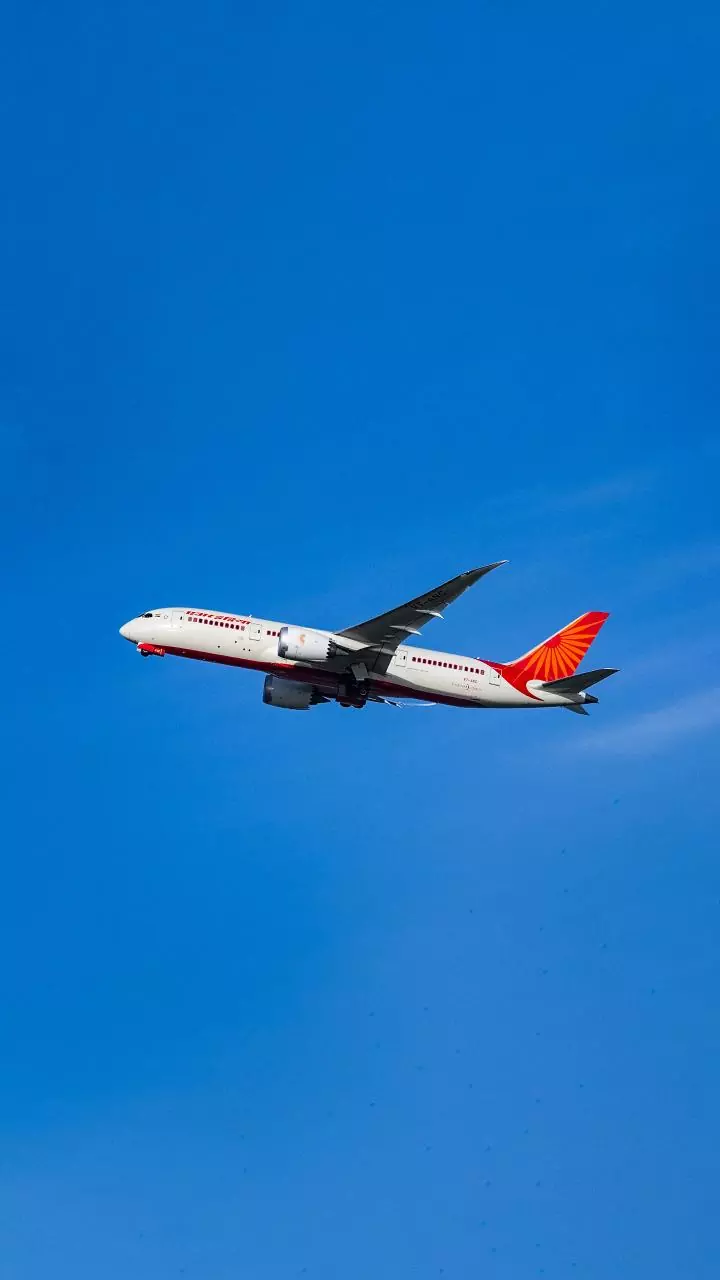
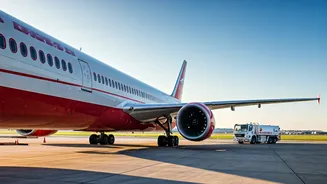
An Air India Dreamliner faced operational setbacks due to a fuel switch issue. The problem caused the aircraft to switch from 'run' to 'cutoff,' necessitating
the grounding. The specific details regarding the exact nature of the fuel switch and the precise reasons for the malfunction remain under investigation. The grounding highlighted the importance of robust safety protocols and thorough maintenance procedures to prevent such incidents. The incident triggered immediate checks and safety evaluations of other Dreamliner aircraft within the Air India fleet. The primary objective of these evaluations was to ensure the operational safety of the entire fleet. Further investigations were conducted to identify the root cause of the fuel switch issue. Thorough inspections were conducted to identify whether any similar potential problems existed in other aircraft. It was essential for authorities to ensure that the aircrafts were safe for the passengers and the crew. The incident affected flight schedules and operations, leading to delays and possible cancellations. Air India worked to minimize disruption by re-scheduling flights, and providing aid to affected passengers.
Beyond The Incident
While the Air India Dreamliner issue took center stage, the news cycle covered other international events. Among these was news concerning political figures and controversies that made headlines. These stories showed the complexities of international politics and relationships. Different reports also brought attention to legal proceedings. The various international news pieces revealed the intricate interplay of political, legal, and social factors on a global stage. The news cycle's diversity pointed to the multifaceted nature of the global happenings.
Addressing Disruptions
The grounding of the Dreamliner led to significant operational disruptions for Air India. The airline needed to immediately manage several facets to mitigate the effects of the grounding. The steps involved re-scheduling flights, and communicating updates to passengers to minimize inconvenience. Prompt action was essential to reduce the impact on passengers and restore regular flight operations. The incident underscored the need for enhanced protocols for such unexpected events. This highlighted the importance of robust contingency plans, and the ability to respond effectively. Ensuring seamless management during times of crisis, and providing comfort to passengers, was extremely important. By taking quick and coordinated measures, Air India attempted to resolve disruptions to regain operational stability as soon as possible.