




Foundation of Fat Loss
Sustainable weight loss is often less about extreme measures and more about cultivating simple, consistent habits. Many individuals seeking to reduce body
fat find themselves overwhelmed by the plethora of diets and workout regimens available online, often leading them to believe drastic approaches are necessary. However, experts and successful individuals alike emphasize that lasting results stem from manageable routines. This involves preparing meals that are straightforward to make, incorporating foods that promote satiety, and establishing daily practices that can be maintained without feeling overly restricted or exhausted. The key challenge for many lies in maintaining consistency, as elaborate plans, while potentially effective short-term, tend to become unsustainable over time. Consequently, a growing number of fitness authorities are advocating for practical, repeatable meal ideas that are not only easy to execute but also rich in essential nutrients, forming the bedrock of effective and enduring fat loss.
Influencer's Go-To Meals
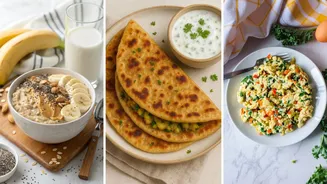
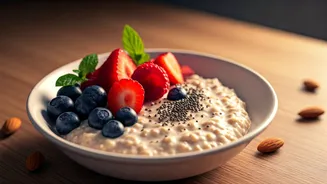
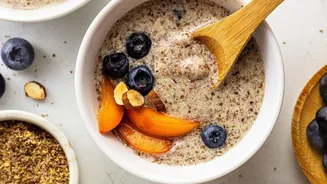
Content creator Sharon Rodrigues recently shared the precise dietary strategy that enabled her to achieve a remarkable 40 kg weight reduction within a five-month period. In a detailed Instagram post, she highlighted the specific foods she consumed regularly, emphasizing that the simplicity of her meals was instrumental in her ability to stay disciplined. Rodrigues’s core message was that effective fat loss hinges on meals that are effortless to prepare, simple to monitor, and easy to repeat daily. She debunked the notion that weight loss necessitates severe calorie restriction or starvation, instead advocating for a meal structure centered around protein and foods known for their satiating properties. For breakfast, her staple was overnight oats fortified with protein, typically consumed by midday. This preparation involved combining 40g of oats with 150g of high-protein yogurt, 80g of blueberries, and a liquid base of water or almond milk, enhanced with honey, chia seeds, flax meal, and a seed mix. This nutrient-dense bowl provided approximately 350 calories and a substantial 30–35g of protein. Her evening meal, usually around 6 pm, consisted of a high-protein chicken salad. This consisted of 200–220g of grilled chicken breast served over mixed salad greens with cucumber and tomatoes, occasionally supplemented with half an avocado and a small portion of Babybel cheese for flavor, often with a touch of mayonnaise. This dinner option typically ranged between 550–600 calories and delivered an impressive 65–70g of protein.
Smart Sweet Treats
Rodrigues’s approach to weight loss did not involve complete abstinence from desserts; rather, she strategically incorporated high-protein, low-calorie sweet options to satisfy cravings without derailing her progress. This mindful indulgence ensured she didn't feel deprived, a common pitfall in many dieting attempts. Her preferred dessert choices included commercially available protein bars, such as the Grenade brand, which typically offer around 20g of protein and less than 2g of sugar, keeping the calorie count in the vicinity of 180–220. For those who prefer homemade alternatives, she also prepared protein brownies, estimating that each serving provided roughly 20g of protein within a similar calorie range. This strategy of allowing for controlled, nutrient-dense treats was crucial in maintaining psychological adherence to her diet, demonstrating that balance rather than strict deprivation can be a cornerstone of successful long-term weight management. By integrating these dessert options, she addressed the common challenge of managing sugar cravings in a healthy and productive manner.
Daily Routines & Tips
Beyond her meal choices, Rodrigues supplemented her diet with a few key daily drinks and a structured supplement routine to support her fitness goals. She consumed a pre-workout beverage in the morning to energize her training sessions, followed by a lean protein shake post-workout to aid muscle recovery and growth. To stay hydrated and manage appetite, she drank two cups of sugar-free coffee daily. Furthermore, she incorporated a morning tea prepared with honey, lemon, ginger, and cinnamon, which offered a soothing and potentially metabolism-boosting start to her day. The protein shake alone contributed approximately 24–25g of protein for a mere 120 calories, showcasing its efficiency. Rodrigues also distilled her successful approach into five core habits crucial for consistent fat loss: 1. Prioritize simplicity and taste in meals to prevent food from feeling like a burden. 2. Ensure protein is a central component of every meal to enhance satiety and muscle support. 3. Maintain a readily available supply of healthy foods to counteract impulsive, less healthy choices. 4. Eat when genuine hunger strikes, as suppressing hunger often leads to overeating later. 5. Engage in meal preparation in advance to eliminate decision fatigue about daily food intake. These habits, combined with her meal strategy, provided a holistic framework for her transformation.
Diverse Dietary Adaptations
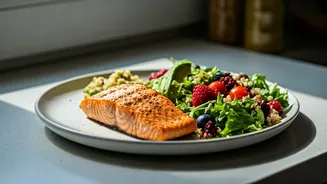
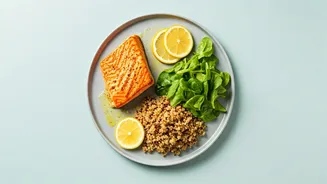
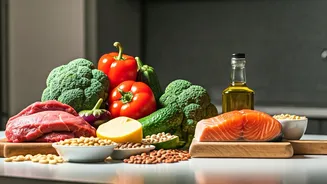
Recognizing that dietary needs and preferences vary significantly, Sharon Rodrigues also provided adaptable meal solutions to cater to different lifestyle choices, ensuring her repeatable-meal strategy was inclusive. For vegetarian individuals, she suggested paneer salad bowls and tofu quinoa salads, both rich in plant-based protein and fiber. Those who follow a non-vegetarian diet, beyond her chicken salad example, could opt for options like grilled salmon or turkey salad bowls, which also deliver substantial protein content and essential fatty acids. These alternatives were all meticulously designed to maintain a high protein intake, a critical factor in promoting fullness and supporting metabolic health throughout the weight loss journey. Her inclusive approach underscores that effective weight management is not a one-size-fits-all endeavor, and that by making simple, protein-focused adjustments, individuals across various dietary spectrums can achieve their fat loss objectives. The emphasis remains on creating satisfying, nutrient-dense meals that are easy to incorporate into daily life, demonstrating that sustainable transformation is achievable through consistent, well-planned eating patterns.