





Assess Your Space
Before diving into AC features, accurately measure the room you intend to cool. Knowing the room's square footage is essential, as it dictates the required
BTU (British Thermal Units) rating. A unit too small won’t cool effectively, while one too large wastes energy and money. Consider factors like sunlight exposure and insulation, as they impact cooling needs. If the room gets direct sunlight, or is poorly insulated, you'll likely need a higher BTU rating to compensate. Also, think about the window size and any obstructions, as these can affect the physical fit of the AC unit. Taking these measurements ensures you select an AC with the right capacity for optimal performance and energy efficiency.
BTU and Size Matters
The BTU rating is the measure of an air conditioner's cooling capacity, and matching it to your room's size is crucial. As a general guide, rooms up to 150 square feet need around 5,000 BTU, while rooms up to 550 square feet may require around 10,000 BTU. Remember, these are rough estimates, and other factors come into play. A room with intense heat gain from direct sunlight requires a higher BTU rating. Consider the number of people regularly using the space, as they add to the heat load. Factors like kitchen appliances and electronics also generate heat. Consult online BTU calculators or manufacturers' guidelines, providing accurate room dimensions and other relevant details. It's better to slightly overestimate BTU than to underestimate, ensuring the AC can handle peak heat loads.
Energy Efficiency Ratings
Energy efficiency is a vital consideration, both for your wallet and the environment. Look for the Energy Efficiency Ratio (EER) and the Seasonal Energy Efficiency Ratio (SEER) ratings. A higher EER means the unit is more efficient at a specific operating condition, while SEER reflects efficiency across a typical cooling season. Opting for a unit with a higher SEER can result in substantial savings over the unit's lifespan. Also, check for the Energy Star label, as it indicates the unit meets strict energy efficiency guidelines set by the U.S. Environmental Protection Agency (EPA). Efficient AC units often cost more upfront but repay the investment through lower electricity bills. Proper maintenance, like cleaning air filters regularly, further enhances efficiency and extends the unit's life.
Features and Functions
Window air conditioners come with a range of features to enhance convenience and performance. Consider features such as multiple fan speeds, which allow you to adjust the airflow to your comfort level. A sleep mode, which gradually increases the temperature overnight, can save energy and improve sleep quality. Programmable timers enable you to set the unit to turn on or off at specific times, aligning with your schedule. Many modern units include a remote control for easy operation from across the room. Consider units with an auto-restart function, as it helps maintain comfort during power outages. Noise levels can vary, so check for decibel ratings, especially if you're a light sleeper. Some models have smart features that allow you to control the unit via a smartphone or integrate with smart home systems.
Installation Considerations
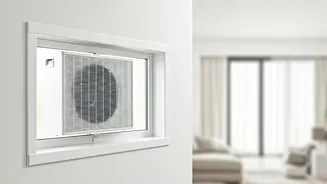
Proper installation is essential for efficient cooling and preventing damage. Ensure the window is suitable for a window AC unit, considering the width and depth. Follow the manufacturer's instructions to ensure safe and correct installation. Most units come with installation kits, which include window seals and support brackets. Proper sealing prevents air leaks, thereby increasing the unit's efficiency and reducing energy consumption. Ensure the unit is level and securely mounted, preventing it from falling. Check the electrical requirements before purchasing, ensuring the unit is compatible with your outlet. It's often recommended to use a dedicated circuit for the AC to prevent overloading. Consider hiring a professional if you're uncomfortable with DIY installation, as it ensures proper setup and safety.
Maintenance and Care
Regular maintenance extends the lifespan of your window AC and ensures optimal performance. The most crucial task is cleaning or replacing the air filter regularly. A clogged filter restricts airflow, reducing efficiency and cooling capacity. Clean the filter every month, more often if you live in a dusty area. Also, clean the exterior of the unit, removing any debris or dust accumulation. Some units have fins on the front or back; these should be straightened if bent, using a fin comb. In the off-season, cover the unit to protect it from the elements. Before storing it, clean the unit thoroughly and allow it to dry completely to prevent mold or mildew growth. Annual professional servicing can identify potential problems early and ensure the unit is running at its best.