




Choosing the Right
The first step toward cultivating dragon fruit on a balcony involves selecting the appropriate variety. Consider the available space, the climate of the region,
and the amount of sunlight the balcony receives. Some varieties are more compact and better suited for container gardening. Research different cultivars, noting their mature size, fruit characteristics, and pollination requirements. Look for self-pollinating varieties if you only have one plant, or consider planting two to ensure proper pollination if the variety needs cross-pollination. Ensure the variety is appropriate for the local climate as dragon fruit thrives in warm environments. Choose a pot that is large enough to accommodate the plant's growth, and provides good drainage to prevent waterlogging. Good soil is crucial, so opt for a well-draining potting mix rich in organic matter to support healthy growth.
Preparing Your Space
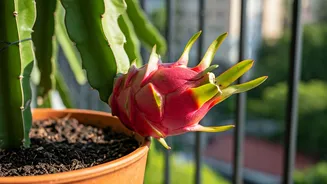
Dragon fruit plants require a balcony with at least six hours of direct sunlight daily to produce fruits. If your balcony doesn't receive enough sunlight, consider using grow lights to supplement natural light. The chosen pot should be at least 15 gallons in size to provide enough room for the plant's roots. It's also important to make sure it has sufficient drainage holes. Drainage is critical to prevent root rot, as dragon fruit plants dislike sitting in water. Use a well-draining potting mix consisting of a blend of compost, perlite, and coarse sand. These components facilitate good aeration and prevent soil compaction. Furthermore, the plants need support structures to climb, like a trellis or a sturdy post, because they are climbing cacti. These structures will help them grow upright and provide optimal fruit production.
Planting and Care
Planting dragon fruit involves carefully placing the plant in the prepared pot, ensuring the roots are spread out. Fill the pot with the potting mix, leaving space at the top for watering. Water the newly planted dragon fruit thoroughly. Initial watering should be done regularly, ensuring the soil remains moist but not waterlogged. As the plant matures, watering frequency can be reduced, allowing the soil to dry out slightly between waterings. Dragon fruit plants benefit from regular feeding during the growing season (spring and summer). Use a balanced fertilizer, or opt for organic alternatives like compost tea or well-rotted manure, every 4 to 6 weeks. Pruning is also essential to maintain plant health and encourage fruit production. Remove any dead or damaged stems, and prune back excessive growth. This will also help maintain the desired shape and size of the plant.
Pollination and Fruiting
For the dragon fruit to bear fruit, pollination is crucial. Many dragon fruit varieties need cross-pollination, meaning they require pollen from another compatible plant. If you are growing a variety that requires cross-pollination, you may need to hand-pollinate the flowers, especially if you have only one plant or if pollinators like bees are not common in your area. Hand pollination involves collecting pollen from one flower and transferring it to another using a small brush or cotton swab. The flowers typically open at night, so pollination should be done in the evening or early morning. After successful pollination, the fruit will start to develop, which usually takes 30–50 days to ripen. As the fruits mature, their skin color will change, and they will become slightly soft to the touch. Once the fruits are fully ripe, carefully harvest them. Then, gently twist or cut the fruit from the stem.
Common Problems
While dragon fruit is relatively easy to grow, it is still susceptible to a few common problems. Pests such as mealybugs and scale can infest the plants, so regular inspection is essential. Treat any infestations promptly with insecticidal soap or neem oil. The plants can also be affected by fungal diseases if overwatered or if the airflow is poor. Good air circulation and appropriate watering practices can help prevent fungal issues. Root rot can occur in poorly drained soil, which is often caused by overwatering. Ensuring proper drainage and allowing the soil to dry out between waterings helps prevent root rot. Moreover, plants may also experience nutritional deficiencies if they don't receive adequate nutrients, which could be solved by fertilizing them regularly during the growing season.