






What is SPS?
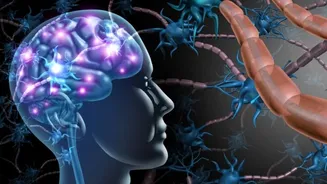
Stiff Person Syndrome (SPS) is an uncommon autoimmune neurological condition characterized by progressive muscle rigidity, primarily affecting the trunk
and abdomen. This debilitating disorder gradually encroaches upon other muscle groups, including the limbs, leading to significant mobility challenges. As the condition advances, individuals may experience increasing difficulty with basic movements, such as walking, and a heightened susceptibility to falls and subsequent injuries. The autoimmune nature of SPS means the body's own immune system mistakenly attacks healthy nerve cells that control muscle movement, disrupting the delicate balance required for coordinated physical actions. This disruption results in the characteristic stiffness and involuntary muscle contractions that define the syndrome, presenting a unique set of obstacles for those affected. Understanding SPS is crucial for appreciating the daily struggles and resilience of patients managing this rare neurological ailment, which can profoundly alter quality of life.
Recognizing the Symptoms
The hallmark symptoms of Stiff Person Syndrome (SPS) manifest primarily as pronounced muscle stiffness and sudden, intense muscle spasms. Initial stiffness often begins in the core of the body, encompassing the abdomen, chest, and back, presenting as a persistent feeling of tightness or a dull ache. This rigidity can fluctuate, appearing and disappearing without an apparent cause, but it tends to worsen over time, extending its reach to the arms and legs. Complementing the pervasive stiffness are involuntary muscle spasms, which can be acutely painful and disconcerting. These spasms may localized to a specific body part or affect the entire body simultaneously. Their duration varies, lasting anywhere from a few seconds to several minutes, and in some instances, can persist for hours. The combination of constant rigidity and unpredictable, forceful spasms significantly impairs mobility and can induce considerable distress and discomfort for individuals living with SPS.
Understanding Triggers
The progression and intensity of symptoms in Stiff Person Syndrome (SPS) can be significantly influenced by external stimuli. Certain environmental factors and emotional states have been identified as common triggers for both increased muscle stiffness and the onset of painful spasms. Loud or sudden noises can provoke an immediate reaction, startling the nervous system and leading to muscle tightening or spasms. Similarly, physical contact, even gentle touch, can initiate a response in hypersensitive muscles. Temperature fluctuations, particularly exposure to cold, have also been noted to exacerbate symptoms, causing muscles to stiffen further. Furthermore, stressful situations, whether emotional or psychological, can trigger or worsen the debilitating effects of SPS. These triggers underscore the delicate balance of the nervous system in individuals with SPS and highlight the importance of managing environmental exposures and emotional well-being to minimize symptom flare-ups and maintain a semblance of control over their physical state.