

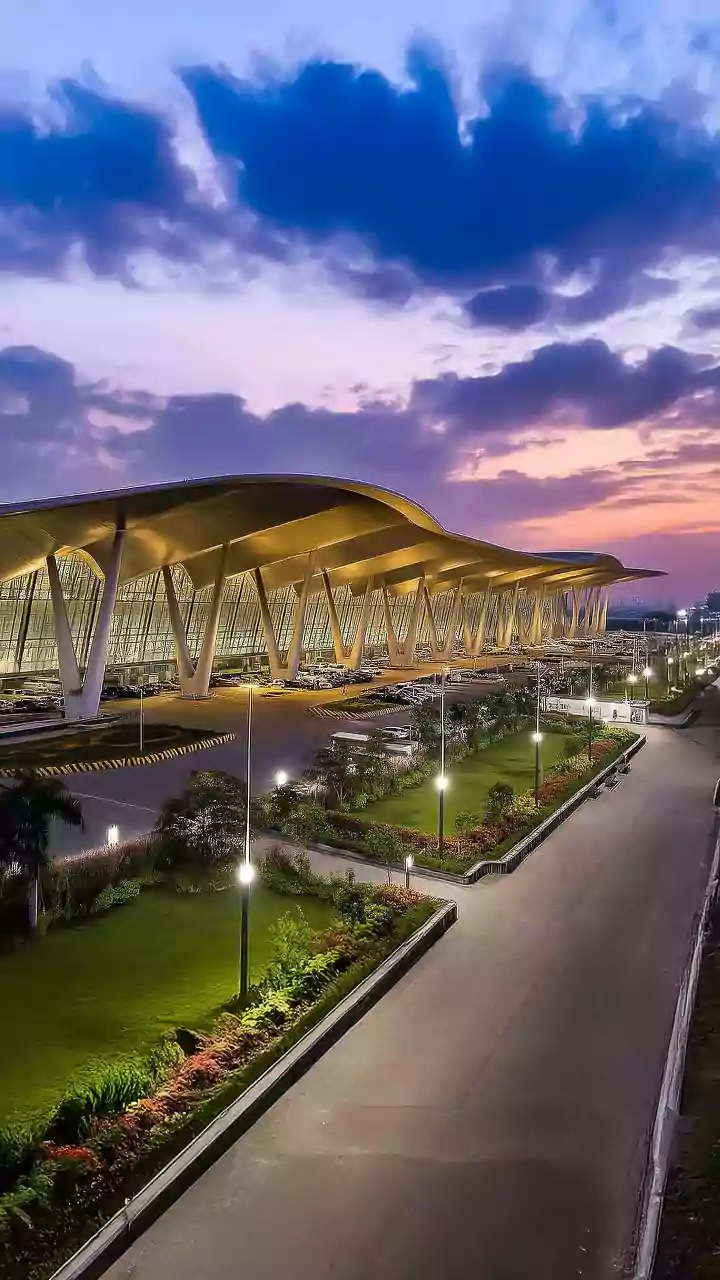



India's Cultural Tapestry
India, renowned for its incredible diversity, presents a unique cultural landscape shaped by centuries of history. This vast nation, home to over a billion
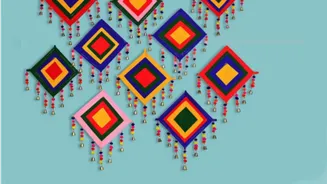
people, showcases a remarkable array of traditions, languages, and customs. From the snow-capped Himalayas in the north to the tropical beaches of the south, the varied geography contributes to the distinct cultural identities found across different regions. Festivals, a vibrant display of communal harmony and celebration, play a crucial role in Indian life, reflecting the values and beliefs of the people. Each state and region has its own distinctive art forms, music, dance, and cuisine, creating a mosaic of experiences that make India a fascinating destination. The influence of various empires and dynasties has further enriched the cultural heritage, leaving a lasting impact on architecture, literature, and social structures. Understanding India requires acknowledging this complex interplay of regional variations and historical influences, which contribute to the country's multifaceted identity.
Lifestyle & Traditions
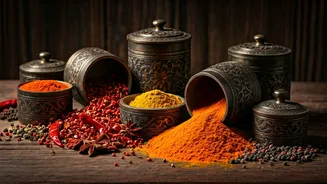
The Indian lifestyle is a captivating blend of age-old traditions and contemporary practices. Family forms the core of social life, with strong emphasis on respecting elders and maintaining close-knit relationships. Religious practices, deeply embedded in daily routines, vary significantly across different communities, shaping lifestyles in profound ways. Traditional clothing, such as saris and dhotis, are still widely worn, particularly during festive occasions, reflecting a sense of pride in cultural heritage. Food plays a central role in Indian culture, with a diverse range of regional cuisines offering a culinary journey through the country. The values of hospitality and generosity are deeply ingrained, with guests often treated with warmth and reverence. Despite the rapid pace of modernization, many traditional customs and rituals continue to thrive, providing a sense of continuity and grounding amidst rapid change. This fusion of the old and the new is a defining characteristic of Indian lifestyle, creating a dynamic and evolving cultural landscape.
Education and Progress
Education is undergoing a transformation in India, with increasing focus on expanding access and improving quality. The government has implemented various initiatives to enhance literacy rates and promote educational opportunities, especially for girls and marginalized communities. Technological advancements have also revolutionized the education sector, with digital learning platforms and online resources becoming increasingly prevalent. The curriculum is evolving to equip students with skills relevant to the 21st century, including critical thinking, problem-solving, and digital literacy. There is growing emphasis on vocational training and skill development programs, aiming to bridge the gap between education and employment. Despite challenges such as disparities in access and quality, India is committed to building a robust education system that prepares its citizens for a competitive global landscape. Education plays a crucial role in fostering social mobility, empowering individuals, and driving economic growth, ultimately shaping the nation's future. The ongoing reforms reflect a determination to cultivate a knowledge-based society and achieve sustainable progress.
Trends in Modern India
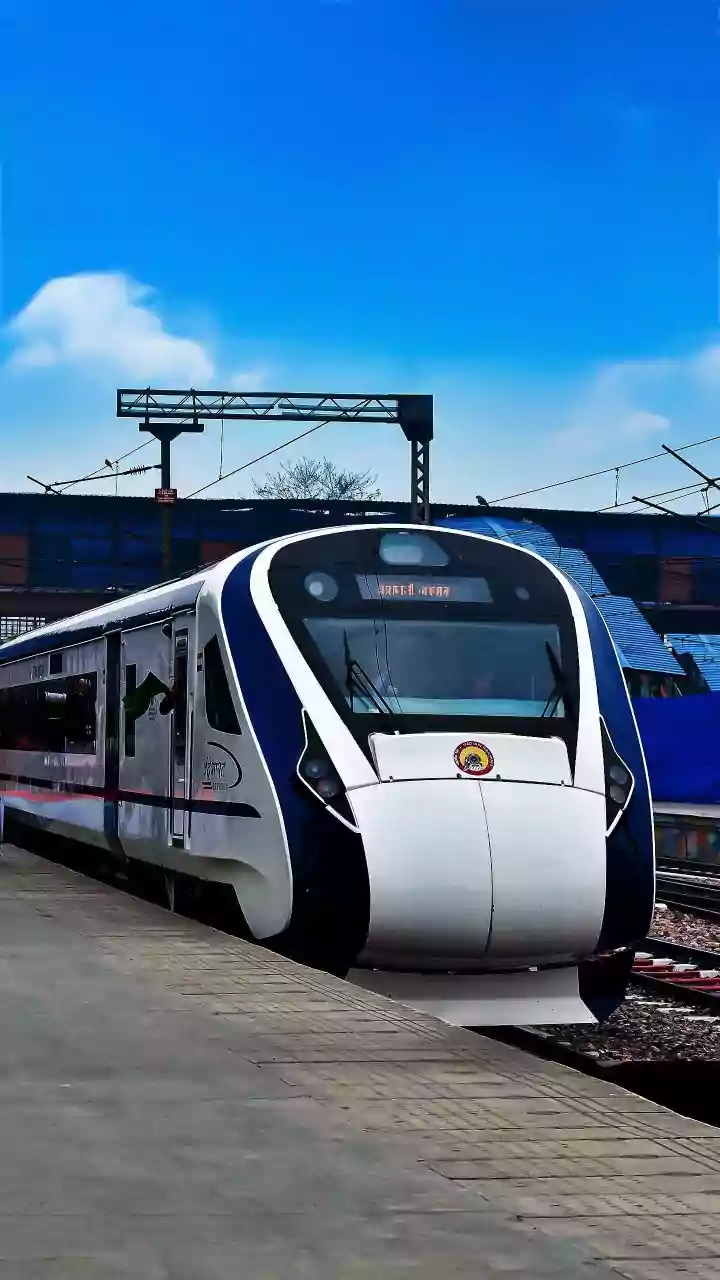
India is experiencing a surge of new trends, driven by technological advancements, globalization, and changing consumer preferences. The digital revolution has transformed various sectors, with e-commerce, social media, and online services gaining prominence. Fashion and lifestyle trends are influenced by international styles while retaining unique Indian elements. Sustainable practices and environmental consciousness are also becoming increasingly important, with growing demand for eco-friendly products and services. The entertainment industry, particularly Bollywood and regional cinema, continues to captivate audiences with its diverse storytelling and innovative content. The rise of entrepreneurship and startups is fueling economic growth and creating new opportunities for innovation. Urbanization is also reshaping lifestyles, leading to changing consumption patterns, evolving social dynamics, and new cultural expressions. These trends reflect India’s dynamic society. They are a sign of India's rapid transformation in the global arena, while staying rooted in its cultural core. This blend of tradition and modernity defines the vibrant character of contemporary India.