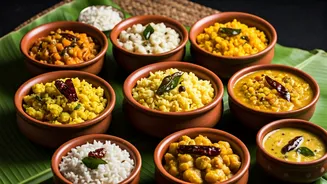





Sweet Pongal's Essence
Sweet Pongal, also referred to as 'Chakkara Pongal', stands as the quintessential dish of the Pongal festival, embodying the spirit of abundance and auspiciousness.
It's meticulously prepared using freshly harvested rice, jaggery (or sugar), and milk, alongside fragrant spices like cardamom and sometimes, a sprinkle of saffron to enhance its vibrant hue. The process involves slow cooking, which allows the rice to fully absorb the sweetness of the jaggery and the richness of the milk. The dish is considered an offering to the Sun God, and its preparation is often accompanied by prayers and rituals symbolizing gratitude for a bountiful harvest. Often, dry fruits and nuts are added. Sweet Pongal, with its creamy texture and delightful aroma, epitomizes the joy and togetherness of the Pongal celebrations, making it a beloved dish for all.
Savory Ven Pongal
Ven Pongal is the savory counterpart to the sweet variant, offering a comforting and flavorful experience. Made with rice and moong dal (split yellow lentils), the dish is seasoned with asafoetida, cumin, ginger, and green chilies, which together create a symphony of flavors. It is cooked to a soft, porridge-like consistency, and the final touch involves tempering with ghee, cashews, and curry leaves, which enhances both its taste and aroma. Ven Pongal is often served with a variety of accompaniments, such as sambar (a lentil-based vegetable stew) and coconut chutney. Its simplicity and warmth make it a staple during the Pongal festivities, a dish that caters to both the body and the soul.
Pongal Dishes Galore
Pongal is not just limited to two varieties of Pongal; the culinary landscape expands to incorporate several other dishes that add richness to the festive menu. These include idli and vada, two of the most popular South Indian breakfast items, which are commonly prepared and enjoyed during this time. Sambar and chutney are essential accompaniments. Additionally, the meal often features a selection of vegetable curries, such as avial (a mixed vegetable dish with coconut and yogurt), and kootu (a vegetable dish with lentils), and other traditional South Indian delicacies. These diverse dishes, filled with various flavors and textures, make Pongal a celebration of regional culinary excellence and emphasize the community's rich and flavorful gastronomic heritage.
Traditional Coconut Rice
Coconut rice, prepared using freshly grated coconut and aromatic spices, adds a distinctive flavor profile to the Pongal meal. The rice is cooked with coconut milk, which infuses it with a subtle sweetness and creamy texture. The addition of mustard seeds, curry leaves, and other spices enhances its taste, making it an appealing dish. This rice variety pairs perfectly with the other dishes typically offered during Pongal, providing a refreshing contrast to the richness of the other foods. Coconut rice serves as a testament to the way traditional foods offer a balanced and diverse dining experience during the festival, complementing the other dishes with its delicate flavor and aromatic qualities.
The Spiced Sambar
Sambar, a flavorful lentil-based vegetable stew, is a staple in any South Indian meal, especially during Pongal. The dish is prepared with a blend of lentils, vegetables like drumsticks, eggplant, and tomatoes, and a special sambar powder made from a variety of spices. Its preparation involves slow cooking that allows the flavors to meld together, creating a rich and aromatic stew. Sambar provides a depth of taste to the meal. Whether eaten with idli, dosa, or rice, sambar enhances the taste of all the dishes, acting as a testament to South Indian culinary practices and the joy of sharing meals during Pongal.
Fresh, Tangy Chutney
Chutneys, with their diverse range of flavors, play a crucial role in enhancing the Pongal meal. Coconut chutney, made from fresh coconut, green chilies, and tempered with mustard seeds and curry leaves, is a favorite because of its refreshing taste. Other options include tomato chutney, onion chutney, and mint chutney, each offering a unique burst of flavor that complements the other dishes. Chutneys, prepared with fresh ingredients and various spices, contribute to the diversity and vibrancy of the Pongal celebrations. They are a necessary part of the meals.
The Crunchy Vada
Vada, a deep-fried lentil fritter, offers a delightful crunch and savory taste to the Pongal meal. Made from urad dal (black gram), and often mixed with spices and herbs, vada is fried until golden brown. They're often served with sambar and chutney, creating a perfect balance of textures and flavors. Vada's crispy exterior and soft, fluffy interior make it a beloved dish during Pongal, enhancing the festive dining experience. Its appeal extends across all generations, demonstrating the enduring charm of traditional dishes.
Idli: Soft Steamed Delight
Idli, a steamed rice cake, stands as an integral part of Pongal celebrations. Prepared from a batter of fermented rice and lentils, idli has a soft, fluffy texture, making it easy to eat and digest. It's often served with sambar and chutney, and offers a neutral base to enjoy the other flavorful dishes. Idli exemplifies simplicity and wholesomeness, representing the essence of traditional South Indian cuisine. Its presence on the Pongal menu is a nod to a heritage, adding a soft, comforting element to the meal.
Payasam's Sweet Finale
Payasam, a creamy, sweet dessert, concludes the Pongal feast with a touch of sweetness. This dish is made with milk, sugar, rice or vermicelli, and often enhanced with nuts, raisins, and cardamom. Its smooth texture and rich flavor provide a comforting finale to the meal. Payasam reflects the spirit of Pongal by embracing the values of generosity and unity. It symbolizes prosperity and good fortune. This dessert, offering a sense of indulgence and celebration, brings closure to the Pongal meal.