






Battling Extreme Heat
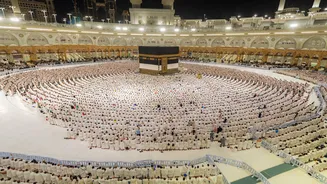
The annual Hajj pilgrimage, a cornerstone of Islam, is currently underway in Mecca, Saudi Arabia, where millions of devoted Muslims gather. This year,
however, participants are contending with punishingly high temperatures, which have soared significantly, making the spiritual journey an even greater physical challenge. Daytime temperatures are predicted to hover between a sweltering 42 and 47 degrees Celsius, a stark contrast to the milder climates many pilgrims are accustomed to. For instance, one pilgrim from Algeria, where temperatures are around a comfortable 25 degrees Celsius, expressed the stark difference, resorting to pouring water on his face to stay cool amidst his daily explorations. This intense heat poses a significant risk, leading to heatstroke and other heat-related ailments, as evidenced by past years where extreme temperatures, exceeding 50 degrees Celsius, contributed to numerous fatalities. The sheer scale of the gathering in open, often unshaded areas, exacerbates the problem, demanding robust strategies for survival and comfort.
Cooling Measures Deployed
To mitigate the severe impact of the desert heat, authorities have implemented a comprehensive array of cooling solutions. The revered Grand Mosque in Mecca benefits from one of the world's most powerful air conditioning systems, ensuring its courtyards offer a respite. Beyond the mosque's interior, vast outdoor spaces are equipped with an impressive deployment of giant fans, mist sprayers, and even cooled flooring systems designed to lower surface temperatures. Recognizing the critical need for hydration, trucks are continuously circulating, distributing free bottles of ice-cold water to pilgrims. These measures are vital, as pilgrims are constantly sweating and moving, making it crucial to replenish fluids and electrolytes. The Saudi Red Crescent Authority has also significantly bolstered its medical presence, with over 50,000 healthcare professionals and 3,000 ambulances on standby to address any heat-related emergencies. These efforts underscore the commitment to safeguarding the health and well-being of those undertaking this profound religious obligation.
Pilgrim Coping Strategies
While authorities provide extensive cooling infrastructure, pilgrims themselves have adopted various personal strategies to endure the extreme heat. Many, like Inas Gamal from Egypt, have had to adjust their initial plans, opting for air-conditioned hotel rooms to perform prayers during the hottest parts of the day, rather than spending extended periods in the Grand Mosque's courtyards. She noted the heat was far more intense than anticipated, making it difficult to adapt. Imad Ahmed, visiting from Britain, emphasized the importance of continuous hydration, making sure to drink large volumes of water and beverages fortified with salts and minerals to counteract constant fluid loss. Ice cream stands have become particularly popular, offering a sweet and cooling treat amidst the sweltering conditions. Others seek refuge in the shade cast by buildings adjacent to the mosque or within indoor galleries, where they find temporary comfort on carpets, often beneath large fans while awaiting prayer times. These individual adaptations, combined with official provisions, demonstrate the resilience and determination of the pilgrims.
Facing the Rituals Ahead
The Hajj's most significant rites are performed outdoors, presenting ongoing challenges as temperatures continue to soar. The pilgrimage's climax, the standing at Mount Arafat, is particularly demanding, as the rocky hill offers minimal natural shade. This year, Saudi Arabia's National Center for Meteorology forecasts daytime temperatures to remain between 42 and 47 degrees Celsius in Mecca throughout the week. Even with the implemented cooling systems and extensive medical support, the unrelenting sun poses a constant threat. The Ministry of Health reported treating 144 individuals for heatstroke on a single Saturday, highlighting the immediate danger. Medical officials, like Jameel Abualenain from the Mina camp hospital, have consistently advised pilgrims on preventative measures: ensuring adequate water intake, utilizing umbrellas for personal shade, and crucially, avoiding prolonged exposure to direct sunlight. These recommendations are paramount for navigating the remaining rituals safely and completing the Hajj.