





The CPB Phenomenon
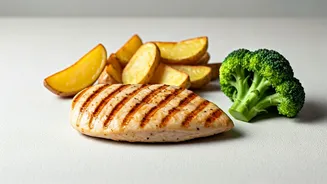
The fitness world is buzzing about a surprisingly effective, albeit monotonous, eating strategy known as the CPB diet. Short for Chicken, Potatoes, and
Broccoli, this minimalist approach has garnered attention on social media for its ability to deliver substantial fat loss. Many have dubbed it the 'world's most boring diet,' yet its adherents are reporting remarkable transformations. The core appeal lies in its extreme simplicity, eschewing complex meal plans and calorie counting for a straightforward, repetitive food selection. This focus on a few key ingredients, combined with a deliberate reduction in overall calorie intake, appears to be the secret sauce behind its viral success, sparking a wave of meal prep videos and personal testimonials showcasing impressive before-and-after results.
Decoding the CPB Framework
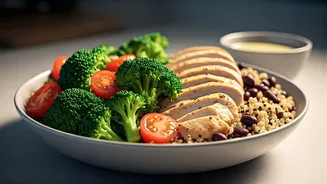
At its heart, the CPB diet is built on a foundation of very specific, whole foods designed to naturally promote a calorie deficit without the need for meticulous tracking. The fundamental structure involves unlimited portions of chicken breast (or tofu for vegetarians) as the primary protein source. Potatoes serve as the main carbohydrate, offering satiety, while broccoli and carrots provide essential fiber and volume with minimal calories. To control fat intake, only one tablespoon of olive oil is permitted per meal. Beverages are restricted to water, black coffee, or tea, strictly excluding sugary drinks and artificial sweeteners. While seasonings are allowed, the emphasis is on functional, non-indulgent food preparation. This disciplined approach leverages the power of high protein and high fiber to foster feelings of fullness, thereby curbing appetite and reducing the constant preoccupation with food often referred to as 'food noise.'
Why It Delivers Results
The significant weight and fat loss reported by CPB diet followers can be attributed to well-established nutritional principles. This diet effectively functions as a high-protein, low-calorie, high-volume eating plan. By focusing on nutrient-dense foods that promote satiety, individuals naturally consume fewer calories. The exclusion of hyper-palatable, ultra-processed foods plays a crucial role in reducing cravings. Furthermore, the predictable nature of the meals simplifies decision-making around food, preventing impulsive overeating. Many participants highlight a profound psychological shift, experiencing a notable decrease in 'food noise' – the persistent thoughts about eating. This behavioral reset, achieved by breaking away from habitual sugar-laden and processed food consumption, can also lead to enhanced energy levels and improved mental clarity, contributing to overall well-being during the diet period.
The 30-Day 'Flex' Approach
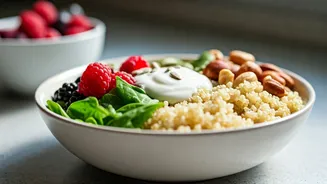
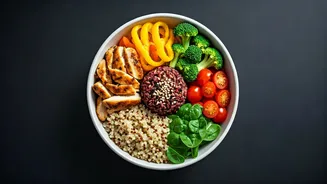
Recognizing the inherent challenge of maintaining extreme dietary monotony long-term, a structured 30-day 'Flex' version of the CPB diet has emerged. This phased approach aims to ease individuals into a more sustainable eating pattern. Week one strictly adheres to the core Chicken, Potatoes, and Broccoli combination. As week two begins, the plan introduces one new item from each food category, such as lean beef or leafy greens like spinach, to broaden the nutritional scope. By the third week, fruits, nuts, and other healthy additions are gradually incorporated. The initial week serves as a rigorous reset, followed by a progressive reintroduction of variety to make the diet more manageable and less likely to lead to rebound overeating. This structured plan is often paired with regular strength training and daily physical activity, with a typical plate composition balancing protein, fats, carbohydrates, and a generous portion of vegetables.
Scientific Perspective on CPB
While the CPB diet has achieved viral fame for its rapid fat loss outcomes, it resides in the realm of 'fad diets with underlying logic.' It strategically employs principles from established nutritional science, but within a highly restrictive and regimented framework. It's important to note that no extensive scientific studies specifically validate this exact diet. The reported successes are primarily derived from anecdotal evidence, personal testimonials, and limited self-experiments. Experts caution that such an extremely limited food selection may lead to nutritional gaps due to a lack of dietary variety. Furthermore, insufficient fat intake could potentially impact hormone regulation over time. Some individuals might also experience digestive discomfort, such as bloating or constipation. The risks associated with rapid weight loss, including fatigue and electrolyte imbalances, are also potential concerns. Ultimately, diets that are excessively restrictive often prove unsustainable, increasing the likelihood of reverting to previous eating habits once normal food choices are resumed.