
Crispy Fried Foods
Crispy fried foods often contain a secret weapon detrimental to skin health: Repeatedly heated refined oils. When oils are subjected to high temperatures
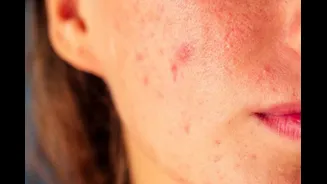
repeatedly, they undergo a chemical transformation, leading to the formation of harmful compounds. These altered compounds can trigger inflammation throughout the body, including the skin. Inflammation manifests itself in the skin, which can lead to breakouts, redness, and the exacerbation of existing conditions such as acne and eczema. Furthermore, the high-fat content often associated with fried foods can disrupt the body's natural oil production, causing an imbalance. These dietary choices, therefore, indirectly influence the skin's health.
Repeatedly Heated Oils
The detrimental effects extend beyond the initial frying process. The continued use of oils at high temperatures results in the formation of free radicals, unstable molecules that can damage cells. The process of frying itself can also strip away essential nutrients. These free radicals accelerate the aging process, leading to the formation of wrinkles and the loss of skin elasticity. This oxidative stress can also trigger inflammatory responses. Therefore, frequent consumption of foods prepared in repeatedly heated oils represents a double-edged sword against skin health, encompassing both inflammation and oxidative damage. Limiting the exposure to these unhealthy oils is a proactive step toward maintaining healthy and youthful skin.
High Fructose Corn Syrup
High fructose corn syrup (HFCS) poses a different threat to the skin. HFCS is a sweetener commonly found in many processed foods and beverages. Excessive consumption of HFCS contributes to increased blood sugar levels, which can trigger a process called glycation. In glycation, sugar molecules attach to proteins in the skin, causing them to become stiff and lose their elasticity. This, in turn, can contribute to premature aging and the development of wrinkles. Furthermore, HFCS can also exacerbate inflammation throughout the body, similar to the effects of repeatedly heated oils. This inflammatory response can lead to acne and other skin issues. Therefore, limiting or eliminating HFCS from the diet is a strategic move to help protect the skin.