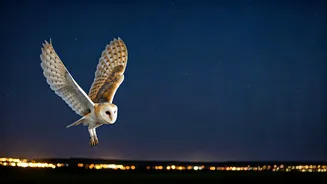







Nocturnal Vocalizations Explained
While most birds are programmed for diurnal rest, their songs after dusk are not random. In bustling urban environments, disturbances like sudden noises
and artificial light can trigger vocalizations, disrupting natural light cycles and potentially impacting breeding patterns. Species adept at adapting to city life are more prone to these late-night serenades. The familiar dawn chorus is a well-known phenomenon, but the symphony of birdsong that occasionally graces the night, termed "midnight melodies," is a curious and common occurrence. These nocturnal songs are driven by several intriguing factors, offering a window into the complex lives of our feathered neighbors.
Territory and Competition
One of the primary motivations for birds to vocalize under the cloak of night is to assert their territorial claims. For certain species, the relative quiet of the night provides an uncrowded platform to broadcast their presence and deter potential rivals. This behavior is especially pronounced in urban areas where persistent artificial lighting can confuse the birds' internal clocks, leading them to adjust their singing schedules. The incessant background noise of city living can also make daytime communication less effective, pushing birds to seek out quieter nocturnal hours for crucial interactions and announcements within their domain.
Attracting Mates at Night
Beyond territorial disputes, a significant driver for nocturnal singing is the pursuit of romantic partners. In numerous bird species, males opt to sing after dark specifically to attract females, particularly during their active breeding seasons. This strategy allows them to stand out from the multitude of competing males and effectively signal their readiness and desirability. The darkness also offers a perceived layer of safety, enabling them to perform their songs without the heightened fear of becoming a meal for nocturnal predators lurking in the shadows.
Species-Specific Behavior
For some avian species, such as the widely recognized common nightingale, singing during the night is not just an occasional occurrence but an intrinsic part of their behavioral repertoire. These birds are celebrated for their intricate and melodious vocalizations, which they often perform while concealed by the darkness. While the precise reasons behind this nocturnal inclination are still a subject of ongoing scientific investigation, it is widely believed to be a combination of both defending their territories and actively seeking out mates in the nocturnal hours.
Environmental Triggers
External environmental cues can also act as catalysts for birds to break into song after sunset. Fluctuations in ambient temperature, changes in humidity levels, or even the pervasive glow of artificial lighting can prompt vocalizations in certain bird populations. For example, a sudden significant drop in temperature might encourage a bird to sing, perhaps as a method to maintain its body heat or to signal its whereabouts to other members of its flock or species in the surrounding environment.